The Typewriter
The machine that mechanized writing before the computer.
The typewriter was a mechanical (and later electric) device that printed characters onto paper as keys were pressed, and it defined written communication for over a century.
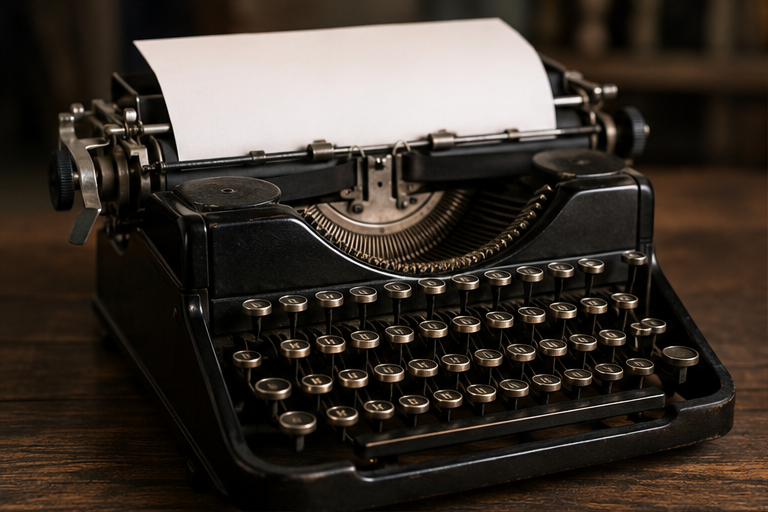
The typewriter was a machine with keys that printed letters and characters directly onto paper. From the late 19th century onward, it transformed writing in offices, journalism, and homes, making documents faster to produce and easier to read than handwriting. It shaped the modern keyboard layout and office work. As personal computers and word processors spread, the typewriter declined, and manufacturing wound down over time.
Explore this story
The typewriter is a landmark example of a technology that transformed writing and then gave way to computers. It was a machine with keys that printed characters directly onto paper.
From the late 19th century onward, the typewriter transformed writing in offices, journalism, and homes, shaping the modern keyboard layout and office work. As personal computers and word processors spread, it declined, and manufacturing wound down over time.
This is the story of the machine that mechanized writing before the computer.
- Late 19th centuryThe typewriter takes hold
Typewriters come into wide use.
Typewriters became widely used from the late 19th century onward.
Mechanized writing for the first time at scale.
They made documents faster and easier to read.
- Early 20th centuryThe office standard
Typewriters become standard in offices.
Typewriters became central to office work and business.
Transformed how documents were produced.
They helped shape the modern keyboard layout.
- 20th centuryWriting and journalism
Typewriters are used widely by writers and journalists.
Writers, journalists, and businesses relied on typewriters.
Central to written communication for decades.
Electric typewriters later made typing easier.
- Late 20th centuryComputers arrive
Personal computers and word processors spread.
Personal computers and word processors offered flexible editing.
Began to replace the typewriter.
Editing text became far easier on computers.
- 2000s-2011Manufacturing winds down
Typewriter production winds down.
Manufacturing wound down over time, with 2011 commonly cited in reports on the end of major production.
Marked the decline of the typewriter era.
Computers had become the standard for writing.
- TodayA remembered machine
Typewriters are widely remembered.
Typewriters are remembered as icons of writing history.
Represents writing before computers.
Some enthusiasts still collect and use typewriters.
The Typewriter Takes Hold
From the late 19th century onward, typewriters became widely used, mechanizing writing at scale for the first time. They made documents faster to produce and easier to read.
The Office Standard
In the early 20th century, typewriters became central to office work and business, transforming how documents were produced. They helped shape the modern keyboard layout.
Writing and Journalism
Through the 20th century, writers, journalists, and businesses relied on typewriters, making them central to written communication for decades. Electric typewriters later made typing easier.
Computers Arrive
In the late 20th century, personal computers and word processors spread, offering flexible editing. Making editing text far easier, they began to replace the typewriter.
Manufacturing Winds Down
Through the 2000s, typewriter production wound down, with 2011 commonly cited in reports on the end of major production, as computers had become the standard for writing.
A Remembered Machine
Today, typewriters are widely remembered as icons of writing history. Representing writing before computers, some enthusiasts still collect and use typewriters.
- The typewriter printed characters directly onto paper.
- It was operated by pressing keys.
- Mechanical and later electric versions existed.
- It was popular from the late 19th century onward.
- It transformed writing in offices and homes.
- It made documents faster to produce than handwriting.
- It made documents easier to read than handwriting.
- It helped shape the modern keyboard layout.
- The typewriter printed characters directly onto paper.
- Mechanical and later electric versions existed.
- It was popular from the late 19th century onward.
- It transformed writing in offices and homes.
- It made documents faster to produce than handwriting.
- It helped shape the modern keyboard layout.
- It was central to office work for decades.
- Writers and journalists relied on it.
The typewriter could edit text like a computer.
Editing was limited; computers later offered flexible editing.
Typewriters are still widely manufactured.
Major production wound down over time, with 2011 commonly cited in reports.
The typewriter had little impact.
It transformed writing and office work for over a century.
It faded for no clear reason.
Personal computers and word processors replaced it.
Everything about it is detailed here.
Some specifics are kept general.
It did not influence the keyboard.
It helped shape the modern keyboard layout.
Only businesses used it.
Writers, journalists, and homes used it too.
No one uses typewriters today.
Some enthusiasts still collect and use them.
It left no legacy.
It mechanized writing and shaped the keyboard.
There were no electric typewriters.
Electric typewriters later made typing easier.
Note: To respect strict accuracy, verbatim quotations are omitted here because exact wording cannot be verified in this draft. The typewriter's story is closely associated with themes of writing, office work, journalism, and the origins of the modern keyboard.
The typewriter's legacy is mechanizing writing and shaping the modern keyboard and office. Though replaced by computers, its influence endures in the keyboard layout and in how documents are produced, and it is remembered as a defining tool of written communication.
The typewriter influences how people understand the history of writing and office technology. Its layout lives on in modern keyboards, and its rise and decline illustrate the shift from mechanical writing to computers.
- Did you know the typewriter printed characters directly onto paper?
- Did you know it was operated by pressing keys?
- Did you know mechanical and later electric versions existed?
- Did you know it was popular from the late 19th century onward?
- Did you know it transformed writing in offices and homes?
- Did you know it made documents faster to produce than handwriting?
- Did you know it helped shape the modern keyboard layout?
- Did you know it was central to office work for decades?
Compared with a computer, the typewriter printed directly onto paper and offered little editing, while computers allowed flexible editing and storage. Compared with handwriting, the typewriter made documents faster to produce and easier to read. It is a clear example of a technology whose keyboard legacy outlived the machine.
- Science
- Not directly applicable.
- Technology
- It advanced mechanical writing and shaped the keyboard.
- Business
- It was central to office work and business documents.
- Politics
- Not directly applicable.
- Culture
- It shaped writing and journalism.
- Education
- It is used to teach about writing and technology history.
- Society
- It changed how documents were produced.
- Environment
- Not directly applicable.
- General books on the history of writing technology.
- Books on office and business history.
- Works on the development of the keyboard.
- Documentary topics on writing technology.
- Features on office history.
- Programs on the transition from typewriters to computers.
The typewriter takes hold (late 19th century); the office standard (early 20th century); writing and journalism (20th century); computers arrive (late 20th century); manufacturing winds down (2000s-2011); a remembered machine (today).
- The typewriter taking hold in the late 19th century.
- Its adoption as the office standard.
- Its central role in writing and journalism.
- The arrival of personal computers and word processors.
- Computers offering flexible editing.
- Computers replacing the typewriter.
- The winding down of manufacturing around 2011.
- Continued use by enthusiasts.
- Its lasting influence on the keyboard.
- Its place in the history of writing technology.
The exact dates and details of typewriter history and the end of production vary by manufacturer and region. This article presents these points neutrally and avoids stating uncertain specifics as fact.
Not applicable. As a writing machine, the typewriter did not receive awards in a formal sense, but it holds a landmark place in the history of writing and office technology.
The typewriter was central to writing for over a century and remains widely recognized and remembered as the machine that mechanized writing before computers.
In 2026, the typewriter remains a reminder of how writing was mechanized before computers, and its keyboard layout lives on in the devices people use every day.
1. The typewriter printed characters onto?
2. It was operated by?
3. It became popular from the?
Did You Know: The layout of modern computer keyboards traces back to the typewriter. Imagine If: Every letter you write presses a key that stamps ink onto paper, with no screen to edit - that was the typewriter. Historic Moment: The winding down of major typewriter production around 2011. On This Day: Around 2011 - major typewriter manufacturing is reported to wind down.
Short Summary: The typewriter was the machine that mechanized writing and shaped the modern keyboard before computers; major production wound down around 2011.
Medium Summary: The typewriter was a machine with keys that printed letters and characters directly onto paper. From the late 19th century onward, it transformed writing in offices, journalism, and homes, making documents faster to produce and easier to read than handwriting, and it shaped the modern keyboard layout. As personal computers and word processors spread, it declined, and manufacturing wound down over time, with 2011 commonly cited in reports on the end of major production.
Long Summary: From the late 19th century onward, typewriters became widely used, mechanizing writing at scale for the first time and making documents faster to produce and easier to read. In the early 20th century they became the office standard, transforming how documents were produced and helping shape the modern keyboard layout, and through the 20th century writers, journalists, and businesses relied on them, with electric typewriters later making typing easier. In the late 20th century, personal computers and word processors spread, offering flexible editing and beginning to replace the typewriter, and through the 2000s major production wound down, with 2011 commonly cited in reports. Today typewriters are widely remembered as icons of writing history, with some enthusiasts still collecting and using them, and the keyboard layout endures. Some specifics are kept general.
People searching for the typewriter usually want to know what it was, how it worked, how it shaped the keyboard, and what replaced it.
- 1.Reputable technology and writing history references
- 2.Museums of technology and office history
- 3.Encyclopaedia Britannica or comparable references
- 4.Peer-reviewed history of technology sources
Related timelines
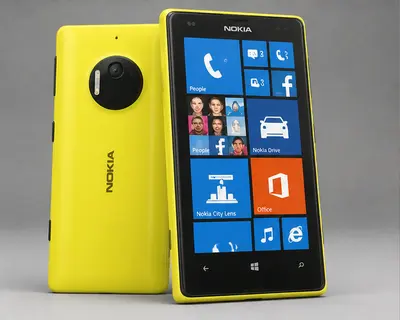
The Windows Phone smartphones that faded away.
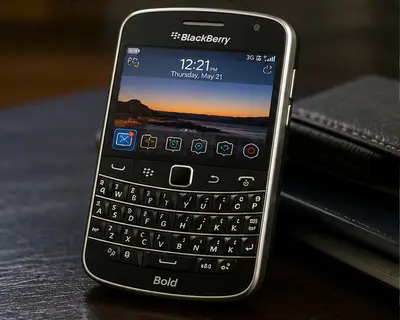
The executive keyboard phone of an era.
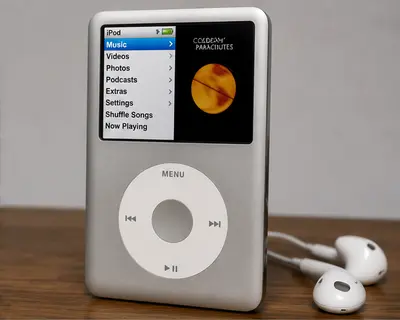
The hard-drive music player that defined an era.
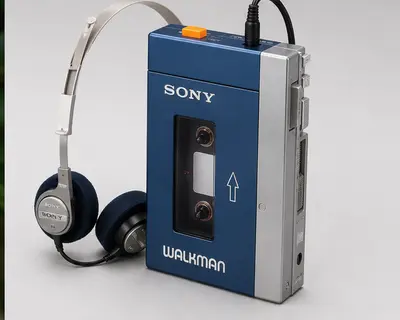
The device that made music personal and portable.

The portable data disk that became the "Save" icon.
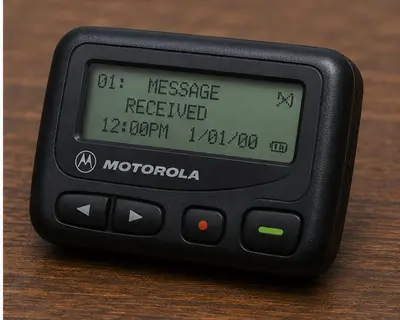
The pocket device that delivered quick messages before mobile phones.