The Saber-Toothed Tiger
The prehistoric predator with elongated canine teeth.
The saber-toothed tiger was a powerful prehistoric predator famous for its long, curved upper canine teeth.
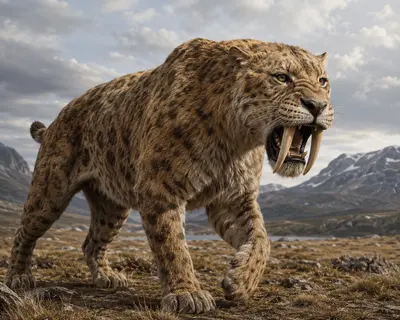
The saber-toothed "tiger" (often referring to Smilodon) was a prehistoric predator known for its elongated upper canine teeth. It lived during the Pleistocene, was a formidable carnivore of the Americas, and went extinct in prehistory.
Explore this story
The saber-toothed tiger is one of the most iconic prehistoric predators. Famous for its long, curved upper canine teeth, it was a powerful carnivore of the Ice Age world.
Often associated with the genus Smilodon, the saber-toothed cat lived during the Pleistocene and was an apex predator in the Americas before going extinct in prehistory. It remains a symbol of Ice Age megafauna.
This is the story of the prehistoric predator with elongated canine teeth.
- Pleistocene (Ice Age era)A prehistoric predator
The saber-toothed cat lived during the Pleistocene.
It was a powerful carnivore of the era.
An apex predator of Ice Age ecosystems.
It is famous for its elongated canine teeth.
- PleistoceneDistinctive teeth
Its long canine teeth defined it.
The elongated upper canines are its signature feature.
A distinctive predatory adaptation.
These teeth give it its common name.
- PleistoceneLife in the Americas
It was a predator in the Americas.
It is strongly associated with the Americas.
Part of American Ice Age ecosystems.
Its fossils are known from the Americas.
- PleistoceneAmong the megafauna
It lived among Ice Age megafauna.
It coexisted with other large Ice Age animals.
Part of a rich megafauna ecosystem.
It shared its world with other large animals.
- End of the Ice AgeChanging world
Its world changed at the Ice Age's end.
Climate change and other pressures affected megafauna.
Contributed to its decline.
Many Ice Age megafauna declined in this period.
- PrehistoryExtinction
The saber-toothed cat becomes extinct.
The animal died out in prehistory.
A famous case of megafauna extinction.
It is known today from fossils.
A Prehistoric Predator
During the Pleistocene (the Ice Age era), the saber-toothed cat was a powerful carnivore and an apex predator of Ice Age ecosystems, famous for its elongated canine teeth.
Distinctive Teeth
Its long upper canine teeth defined it, serving as its signature feature and giving it its common name. These teeth represent a distinctive predatory adaptation.
Life in the Americas
The saber-toothed cat was a predator strongly associated with the Americas, where its fossils are known, as part of American Ice Age ecosystems.
Among the Megafauna
The saber-toothed cat lived among Ice Age megafauna, coexisting with other large animals as part of a rich megafauna ecosystem.
Changing World
At the end of the Ice Age, its world changed as climate change and other pressures affected megafauna. Many Ice Age megafauna declined in this period, contributing to its decline.
Extinction
In prehistory, the saber-toothed cat became extinct as the animal died out. A famous case of megafauna extinction, it is known today from fossils.
- The saber-toothed tiger was not a true tiger.
- It is often associated with the genus Smilodon.
- It was a prehistoric carnivore.
- It is famous for elongated upper canine teeth.
- Its teeth give it its common name.
- It lived during the Pleistocene.
- It was an apex predator.
- It is strongly associated with the Americas.
- The saber-toothed tiger was not a true tiger.
- It is often associated with the genus Smilodon.
- It is famous for elongated upper canine teeth.
- It lived during the Pleistocene.
- It was an apex predator.
- It is strongly associated with the Americas.
- Its fossils are known from the Americas.
- It was part of Ice Age megafauna.
The saber-toothed tiger was a kind of tiger.
It was not a true tiger, despite the name.
It lived at the same time as dinosaurs.
It lived during the Pleistocene, long after the dinosaurs.
It lived everywhere on Earth.
It is strongly associated with the Americas.
It disappeared instantly.
Its decline occurred amid broader megafauna decline.
Everything about it is fully known.
Some biological details remain uncertain.
Humans never coexisted with it.
Humans coexisted with it during part of its history.
Its teeth are unrelated to its name.
Its elongated canine teeth give it its common name.
Its exact extinction date is precisely known.
Extinction dates are approximate.
It was a small animal.
It was a formidable, powerful predator.
No remains survive.
It is known today from fossils.
Note: To respect strict accuracy, verbatim quotations are omitted here because exact wording cannot be verified in this draft. The saber-toothed cat's story is closely associated with themes of the Ice Age, predators, and megafauna extinction.
The saber-toothed tiger's legacy is being one of the most iconic prehistoric predators and a symbol of Ice Age megafauna. Its distinctive elongated canines make it instantly recognizable in the study of prehistory.
The saber-toothed cat influences how people imagine prehistoric predators and the Ice Age. As an iconic species, it is central to paleontology and popular interest in prehistoric life.
- Did you know the saber-toothed tiger was not a true tiger?
- Did you know it is often associated with the genus Smilodon?
- Did you know it is famous for elongated canine teeth?
- Did you know its teeth give it its common name?
- Did you know it lived during the Pleistocene?
- Did you know it was an apex predator?
- Did you know it is strongly associated with the Americas?
- Did you know its fossils are known from the Americas?
Compared with modern big cats, the saber-toothed cat had far longer upper canine teeth. Compared with other Ice Age megafauna like the woolly mammoth, it represents the predator side of the same ecosystems.
- Science
- It is central to paleontology and Ice Age studies.
- Technology
- Fossil study techniques apply to its remains.
- Business
- Not directly applicable.
- Politics
- It informs discussions of extinction and climate.
- Culture
- It is an iconic symbol of prehistoric predators.
- Education
- It is widely used to teach about the Ice Age.
- Society
- It shaped public interest in prehistoric life.
- Environment
- It is a key example in megafauna extinction.
- General books on the Ice Age and megafauna.
- Books on paleontology.
- Works on prehistoric predators.
- Documentary topics on the Ice Age.
- Features on prehistoric predators.
- Programs on paleontology.
A prehistoric predator (Pleistocene); distinctive teeth; life in the Americas; among the megafauna; a changing world at the Ice Age's end; extinction (prehistory).
- Life as an Ice Age apex predator.
- Its distinctive elongated canines.
- Its role in American ecosystems.
- Coexistence with other megafauna.
- The changing world at the Ice Age's end.
- Pressure from climate change.
- Broad megafauna decline.
- Extinction in prehistory.
- Preservation of fossils.
- Its lasting role as a prehistoric icon.
The exact causes and timing of the saber-toothed cat's extinction, and details of its behavior, are studied and debated among researchers. This article presents these points neutrally and avoids stating uncertain specifics as fact.
Not applicable. As an extinct species, the saber-toothed cat did not receive awards, but it holds a prominent place in the study of the Ice Age and megafauna.
The saber-toothed tiger is one of the most recognized prehistoric animals in the world, widely featured in education, museums, and popular culture.
In 2026, the saber-toothed tiger remains an iconic symbol of Ice Age predators. Its story continues to inform science and public interest in prehistoric life and megafauna extinction.
1. The saber-toothed tiger was?
2. It is often associated with the genus?
3. It is famous for its?
Did You Know: The saber-toothed tiger was not actually a tiger. Imagine If: A powerful cat-like predator with long curved fangs stalks the Ice Age Americas - that's the saber-toothed cat. Historic Moment: The extinction of the saber-toothed cat in prehistory. On This Day: During the Pleistocene - the saber-toothed cat hunts as an apex predator.
Short Summary: The saber-toothed tiger was a prehistoric predator famous for elongated canine teeth that went extinct in prehistory.
Medium Summary: The saber-toothed "tiger" (often referring to Smilodon) was a prehistoric apex predator known for its elongated upper canine teeth. Living during the Pleistocene and strongly associated with the Americas, it was part of Ice Age megafauna and went extinct in prehistory, and is known today from fossils.
Long Summary: During the Pleistocene, the saber-toothed cat was a powerful carnivore and apex predator of Ice Age ecosystems, famous for its elongated upper canine teeth, which give it its common name even though it was not a true tiger. Strongly associated with the Americas, where its fossils are known, it lived among Ice Age megafauna and coexisted with other large animals. At the end of the Ice Age, its world changed as climate change and other pressures affected megafauna, and many large animals declined. The saber-toothed cat became extinct in prehistory and is known today from fossils, remaining one of the most iconic prehistoric predators and a symbol of Ice Age megafauna. The exact causes and timing of its extinction are studied and debated.
People searching for the saber-toothed tiger usually want to know what it was, its famous teeth, when and where it lived, and why it went extinct.
- 1.Natural history museum resources
- 2.Encyclopaedia Britannica (saber-toothed cat / Smilodon entry)
- 3.Peer-reviewed paleontology research
- 4.Reputable science organizations
Related timelines
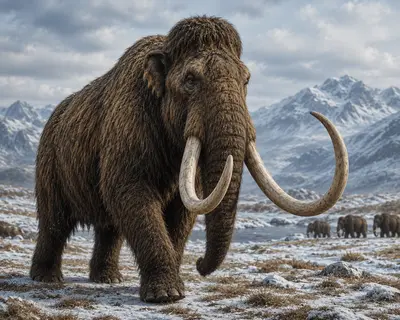
The Ice Age giant adapted to extreme cold.

The giant deer with enormous antlers.
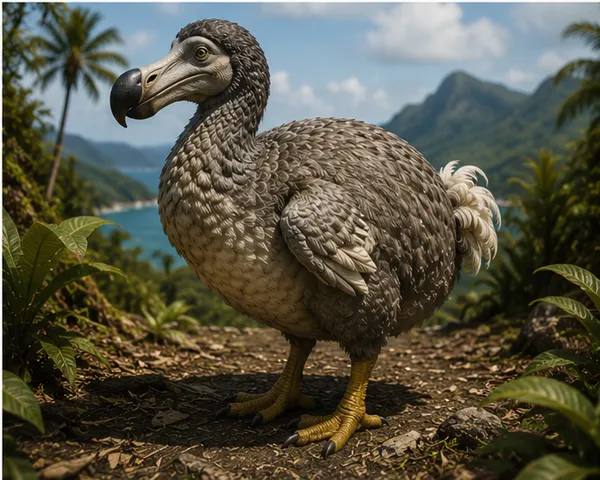
The flightless bird that became a symbol of extinction.
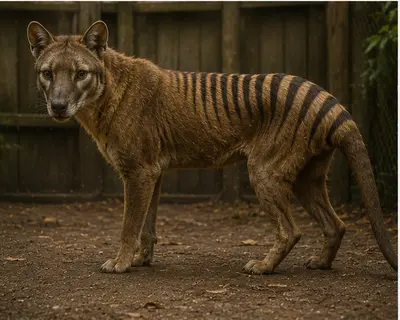
The largest carnivorous marsupial of modern times.
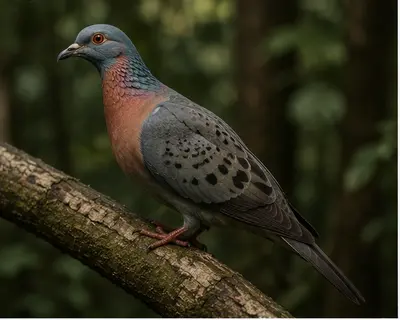
Once the most abundant bird in North America.

The flightless seabird of the North Atlantic.