The Passenger Pigeon
Once the most abundant bird in North America.
The passenger pigeon was once the most abundant bird in North America, reduced from enormous numbers to extinction in the early 20th century.
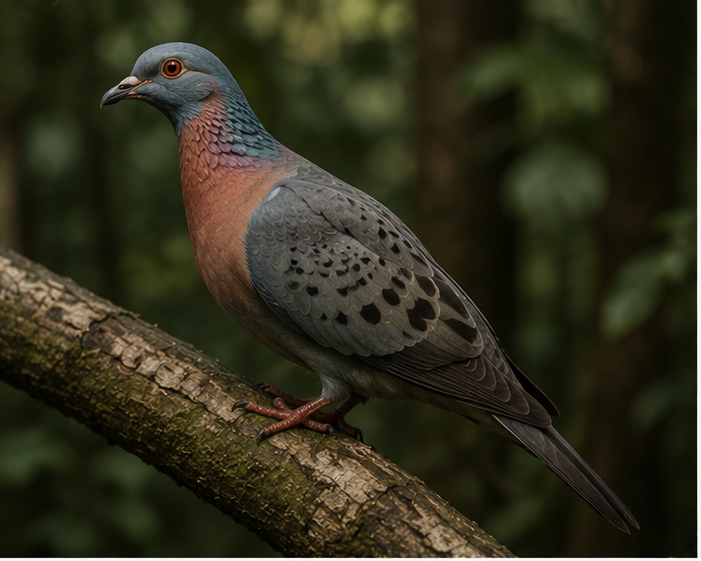
The passenger pigeon was once among the most abundant birds in North America, famous for enormous flocks. Decades of uncontrolled hunting and habitat loss reduced its numbers dramatically, and the species went extinct in the early 20th century.
Explore this story
The passenger pigeon is one of the most striking examples of extinction in modern history. Once among the most abundant birds in North America, it was famous for enormous flocks.
Decades of uncontrolled hunting and habitat loss reduced the species from vast numbers to none, and it went extinct in the early 20th century. Its story is widely used to illustrate how even an extremely abundant species can be lost.
This is the story of once the most abundant bird in North America.
- Before the 1800sAbundant flocks
The passenger pigeon was extremely abundant.
It was among the most abundant birds in North America.
Represented enormous natural abundance.
It was famous for vast flocks.
- 1800sUncontrolled hunting
The species faced uncontrolled hunting.
Large-scale hunting targeted the pigeons.
A major driver of its decline.
Hunting occurred on a very large scale.
- 1800sHabitat loss
Habitat loss added to the pressures.
Loss of habitat affected the species.
Compounded the effects of hunting.
Multiple pressures combined to reduce numbers.
- Late 1800sDramatic decline
The population falls dramatically.
Numbers dropped sharply over decades.
Pushed the species toward extinction.
A once-abundant bird became rare.
- Early 1900sThe last individuals
The species reaches its final individuals.
Only a few individuals remained in the early 1900s.
Marked the end of the species in the wild and captivity.
The last known individual died in captivity in 1914.
- After extinctionA symbol of extinction
The passenger pigeon becomes a symbol of extinction.
It became a widely cited conservation example.
Represents human-caused extinction.
It shows even abundant species can be lost.
Abundant Flocks
Before the 1800s, the passenger pigeon was extremely abundant, among the most abundant birds in North America and famous for vast flocks. It represented enormous natural abundance.
Uncontrolled Hunting
Through the 1800s, the species faced uncontrolled hunting on a very large scale, which became a major driver of its decline.
Habitat Loss
Also through the 1800s, habitat loss added to the pressures on the species, compounding the effects of hunting as multiple pressures combined to reduce numbers.
Dramatic Decline
Through the late 1800s, the population fell dramatically, with numbers dropping sharply over decades. A once-abundant bird became rare, pushing the species toward extinction.
The Last Individuals
In the early 1900s, the species reached its final individuals, with only a few remaining. The last known individual died in captivity in 1914, marking the end of the species.
A Symbol of Extinction
After its extinction, the passenger pigeon became a symbol of extinction and a widely cited conservation example. It represents human-caused extinction and shows that even abundant species can be lost.
- The passenger pigeon was once among the most abundant birds in North America.
- It was famous for enormous flocks.
- It was native to North America.
- It faced uncontrolled hunting.
- Hunting occurred on a very large scale.
- Habitat loss added to the pressures.
- Multiple pressures combined to reduce numbers.
- Its population fell dramatically over decades.
- The passenger pigeon was among the most abundant birds in North America.
- It was famous for enormous flocks.
- It was native to North America.
- It faced uncontrolled hunting on a large scale.
- Habitat loss added to the pressures.
- Multiple pressures combined to reduce numbers.
- Its population fell dramatically over decades.
- Only a few individuals remained in the early 1900s.
The passenger pigeon was always rare.
It was once among the most abundant birds in North America.
It still survives today.
It is extinct; the last known individual died in 1914.
It went extinct naturally without human influence.
Uncontrolled hunting and habitat loss drove its decline.
Its decline took many centuries.
Its decline was rapid, over decades.
Only hunting affected it.
Habitat loss also contributed.
Exact historical population numbers are precisely known.
Estimates vary; this article keeps them general.
It lived outside North America.
It was native to North America.
It formed only small groups.
It was famous for enormous flocks.
It is unrelated to conservation.
It became a widely cited conservation example.
An abundant species cannot go extinct.
The passenger pigeon shows even abundant species can be lost.
Note: To respect strict accuracy, verbatim quotations are omitted here because exact wording cannot be verified in this draft. The passenger pigeon's story is closely associated with themes of abundance, overhunting, and extinction.
The passenger pigeon's legacy is being one of history's most powerful examples that even an extremely abundant species can be driven to extinction. Its rapid decline from vast flocks to none shaped conservation thinking.
The passenger pigeon influences how people understand extinction and conservation. Its loss is widely cited as a warning about the consequences of uncontrolled hunting and habitat destruction.
- Did you know the passenger pigeon was once among the most abundant birds in North America?
- Did you know it was famous for enormous flocks?
- Did you know it was native to North America?
- Did you know it faced uncontrolled hunting?
- Did you know hunting occurred on a very large scale?
- Did you know habitat loss added to the pressures?
- Did you know multiple pressures combined to reduce its numbers?
- Did you know its population fell dramatically over decades?
Compared with still-living abundant birds, the passenger pigeon shows how quickly abundance can collapse. Compared with other extinct species like the dodo or great auk, it is especially striking because it fell from enormous numbers to none.
- Science
- It is studied in natural history and extinction science.
- Technology
- Not directly applicable.
- Business
- Historical hunting connects to economic history.
- Politics
- It informed early conservation and wildlife policy discussions.
- Culture
- It became a cultural symbol of loss.
- Education
- It is widely used to teach about extinction.
- Society
- It shaped awareness of overhunting.
- Environment
- It is a key example in conservation and biodiversity.
- General books on extinction and conservation.
- Books on North American birds.
- Works on overhunting and wildlife history.
- Documentary topics on extinction.
- Features on North American wildlife.
- Programs on conservation.
Abundant flocks (before the 1800s); uncontrolled hunting (1800s); habitat loss (1800s); dramatic decline (late 1800s); the last individuals (early 1900s, last known died 1914); a symbol of extinction (after extinction).
- Life as an extremely abundant bird.
- The onset of uncontrolled hunting.
- The addition of habitat loss.
- The combination of multiple pressures.
- Dramatic decline over decades.
- Reduction to a few individuals.
- The death of the last known individual (1914).
- Recognition of its extinction.
- Becoming a conservation symbol.
- Its lasting influence on conservation thinking.
Exact historical population figures and the precise relative roles of hunting and habitat loss are estimated and discussed among researchers. This article presents these points neutrally and keeps figures general rather than stating uncertain numbers as fact.
Not applicable. As an extinct species, the passenger pigeon did not receive awards, but it holds a prominent place in the history of extinction and conservation.
The passenger pigeon is one of the most cited examples of extinction in the world, widely referenced in education and conservation discussions.
In 2026, the passenger pigeon remains a powerful reminder that even the most abundant species can be lost. Its story continues to shape conservation awareness.
1. The passenger pigeon was once among the most abundant birds in?
2. It was famous for?
3. What drove its decline?
Did You Know: The last known passenger pigeon died in captivity in 1914. Imagine If: A bird so abundant it darkened the sky vanishes within decades - that's the passenger pigeon. Historic Moment: The extinction of the passenger pigeon in the early 20th century. On This Day: 1914 - the last known passenger pigeon dies.
Short Summary: The passenger pigeon was once among North America's most abundant birds, driven to extinction by hunting and habitat loss, with the last known individual dying in 1914.
Medium Summary: The passenger pigeon was once among the most abundant birds in North America, famous for enormous flocks. Decades of uncontrolled hunting and habitat loss reduced it dramatically, and it went extinct in the early 20th century, with the last known individual dying in 1914. It became a powerful symbol of human-caused extinction.
Long Summary: Before the 1800s, the passenger pigeon was among the most abundant birds in North America, famous for vast flocks and representing enormous natural abundance. Through the 1800s it faced uncontrolled hunting on a very large scale, and habitat loss added to the pressures, with multiple factors combining to reduce its numbers. Through the late 1800s its population fell dramatically over decades, and a once-abundant bird became rare. By the early 1900s only a few individuals remained, and the last known individual died in captivity in 1914, marking the end of the species. After its extinction, the passenger pigeon became a widely cited symbol of human-caused extinction, showing that even extremely abundant species can be lost. Exact historical population figures are estimated and vary.
People searching for the passenger pigeon usually want to know how abundant it was, why it went extinct, and the significance of 1914.
- 1.Natural history museum and ornithology resources
- 2.Encyclopaedia Britannica (passenger pigeon entry)
- 3.Peer-reviewed research on the passenger pigeon
- 4.Reputable science and conservation organizations
Related timelines
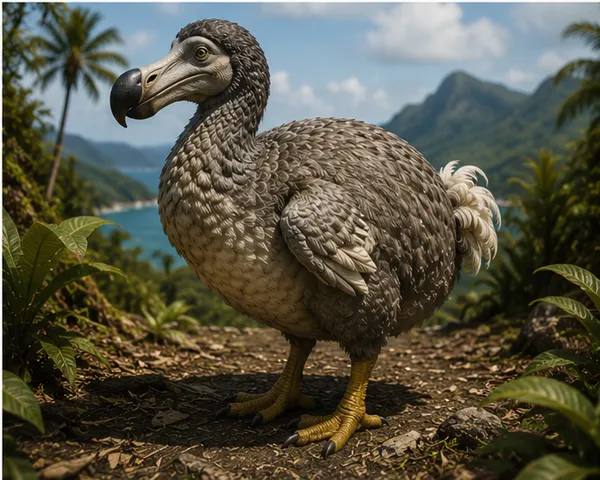
The flightless bird that became a symbol of extinction.
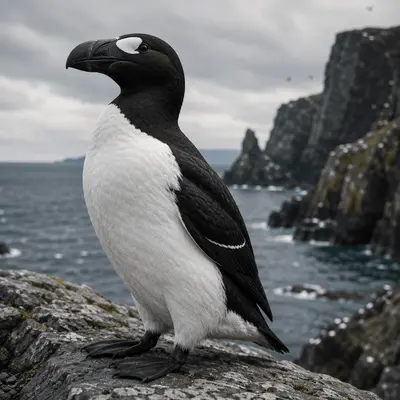
The flightless seabird of the North Atlantic.
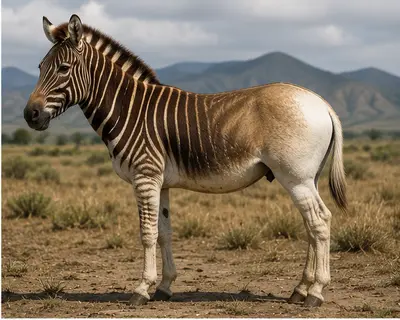
The partially striped zebra of South Africa.

The giant marine mammal of the Bering Sea.
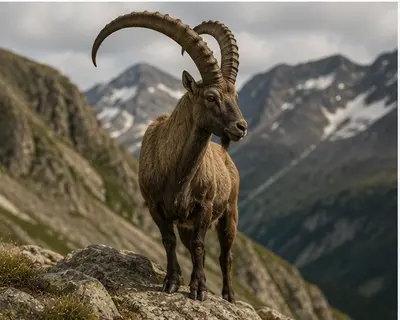
The mountain goat famously cloned after extinction.

The warm-water seal of the Caribbean Sea.