The Tasmanian Tiger (Thylacine)
The largest carnivorous marsupial of modern times.
The Tasmanian tiger, or thylacine, was the largest carnivorous marsupial of modern times, hunted to extinction in the 20th century.
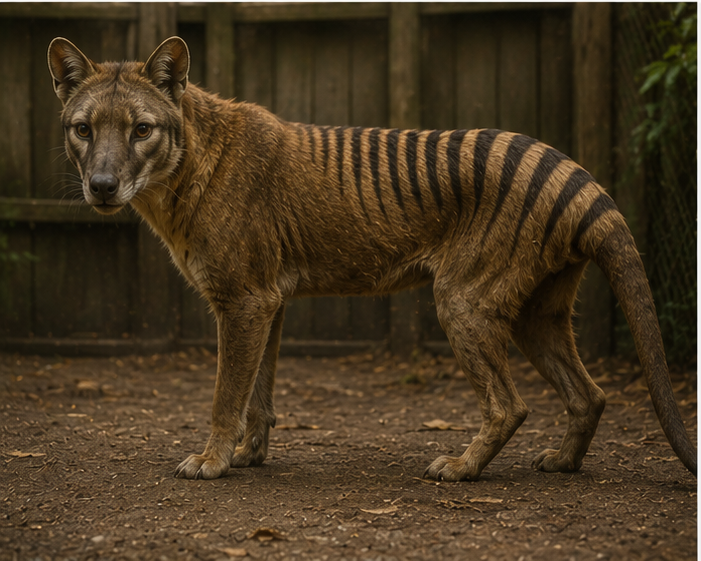
The Tasmanian tiger, also known as the thylacine, was the largest known carnivorous marsupial of modern times. Native to Tasmania, it was hunted heavily under bounty programs and driven to extinction, with the last known individual dying in 1936.
Explore this story
The Tasmanian tiger, or thylacine, is one of the most famous extinct animals of the modern era. It was the largest known carnivorous marsupial of modern times, native to Tasmania.
Hunted heavily under government bounty programs and affected by other pressures, the thylacine was driven to extinction, with the last known individual dying in 1936. Its story is a well-known example of a species lost in recent history.
This is the story of the largest carnivorous marsupial of modern times.
- Before the 1800sA native marsupial
The thylacine lived in Tasmania.
It was the largest carnivorous marsupial of modern times.
A distinctive marsupial predator.
It had stripes across its back.
- Early 1800sEuropean settlement
European settlement expands in Tasmania.
Human activity increasingly affected the thylacine.
Began growing pressures on the species.
The species became viewed as a threat to livestock.
- 1800sBounties and hunting
The thylacine is hunted under bounties.
Government bounty programs encouraged its killing.
A major driver of its decline.
Bounties were paid for killing thylacines.
- Late 1800s-early 1900sSteep decline
The thylacine declines steeply.
Hunting and other pressures reduced its numbers.
Pushed the species toward extinction.
The species became increasingly rare.
- 1936The last known thylacine
The last known thylacine dies in 1936.
The last known individual died in captivity in 1936.
Marked the effective end of the species.
This date is widely cited for its extinction.
- After 1936A symbol of extinction
The thylacine becomes a symbol of extinction.
It became widely referenced in culture and conservation.
Represents recent human-caused extinction.
It remains an emblem of Tasmania and lost species.
A Native Marsupial
Before the 1800s, the thylacine lived in Tasmania as the largest carnivorous marsupial of modern times. A distinctive marsupial predator, it had stripes across its back.
European Settlement
In the early 1800s, European settlement expanded in Tasmania, and human activity increasingly affected the thylacine. The species became viewed as a threat to livestock, beginning growing pressures on it.
Bounties and Hunting
Through the 1800s, the thylacine was hunted under bounty programs that encouraged its killing, with bounties paid for killing thylacines. This became a major driver of its decline.
Steep Decline
Through the late 1800s and early 1900s, the thylacine declined steeply as hunting and other pressures reduced its numbers, and the species became increasingly rare, pushing it toward extinction.
The Last Known Thylacine
In 1936, the last known thylacine died in captivity, marking the effective end of the species. This date is widely cited for its extinction.
A Symbol of Extinction
After 1936, the thylacine became a symbol of extinction, widely referenced in culture and conservation. It represents recent human-caused extinction and remains an emblem of Tasmania and lost species.
- The Tasmanian tiger is also called the thylacine.
- It was the largest carnivorous marsupial of modern times.
- It was native to Tasmania.
- It had stripes across its back.
- It was a marsupial.
- European settlement increased pressures on it.
- It became viewed as a threat to livestock.
- It was hunted under government bounties.
- The Tasmanian tiger is also called the thylacine.
- It was the largest carnivorous marsupial of modern times.
- It was native to Tasmania.
- It had stripes across its back.
- It was a marsupial.
- European settlement increased pressures on it.
- It became viewed as a threat to livestock.
- It was hunted under government bounties.
The Tasmanian tiger was a big cat.
It was a carnivorous marsupial, not a cat.
It still definitely survives in the wild.
It is considered extinct; reported sightings are unconfirmed.
It lived across all of Australia in modern times.
In modern times it is associated with Tasmania.
It went extinct naturally without human influence.
Hunting under bounties and other pressures drove its decline.
Everything about it is fully known.
Some biological details remain uncertain.
It was not a marsupial.
It was a marsupial that carried young in a pouch.
The last known individual died recently.
The last known individual died in 1936.
It had no distinctive markings.
It had stripes across its back.
It is unrelated to conservation.
It became a symbol of extinction and conservation.
Bounties had no role in its decline.
Government bounties were a major driver of its decline.
Note: To respect strict accuracy, verbatim quotations are omitted here because exact wording cannot be verified in this draft. The thylacine's story is closely associated with themes of extinction, marsupials, and conservation.
The thylacine's legacy is being a powerful symbol of recent human-caused extinction. As the largest carnivorous marsupial of modern times, hunted to extinction with the last known individual dying in 1936, it is central to conservation awareness in Australia and beyond.
The thylacine influences how people think about extinction, marsupials, and conservation. Its loss is widely cited as a cautionary example of the impact of hunting and human pressures on wildlife.
- Did you know the Tasmanian tiger is also called the thylacine?
- Did you know it was the largest carnivorous marsupial of modern times?
- Did you know it was native to Tasmania?
- Did you know it had stripes across its back?
- Did you know it was a marsupial?
- Did you know European settlement increased pressures on it?
- Did you know it was viewed as a threat to livestock?
- Did you know it was hunted under government bounties?
Compared with placental predators, the thylacine was a marsupial carnivore that carried young in a pouch. Compared with other extinct species, it is a striking example of a recent extinction driven substantially by human hunting under bounties.
- Science
- It is studied in natural history and extinction science.
- Technology
- Preservation and study techniques apply to its specimens.
- Business
- Not directly applicable.
- Politics
- Bounty programs connect it to policy history.
- Culture
- It is an emblem of Tasmania and lost species.
- Education
- It is widely used to teach about extinction.
- Society
- It shaped awareness of human impact on wildlife.
- Environment
- It is a key example in conservation and biodiversity.
- General books on extinction and conservation.
- Books on Australian wildlife and marsupials.
- Works on human impact on species.
- Documentary topics on extinction.
- Features on Australian wildlife.
- Programs on conservation.
A native marsupial (before the 1800s); European settlement (early 1800s); bounties and hunting (1800s); steep decline (late 1800s-early 1900s); the last known thylacine (1936); a symbol of extinction (after 1936).
- Life as Tasmania's marsupial predator.
- The expansion of European settlement.
- Being viewed as a threat to livestock.
- Government bounty programs.
- Hunting driving decline.
- Growing rarity in the early 1900s.
- The death of the last known individual (1936).
- Recognition of its extinction.
- Becoming a symbol of extinction.
- Its lasting role in conservation awareness.
Some details of the thylacine's biology and the precise timing of its extinction are uncertain, and there are unconfirmed reports of later sightings. This article presents these points neutrally and avoids stating uncertain claims as fact.
Not applicable. As an extinct species, the thylacine did not receive awards, but it holds a prominent place in the history of extinction and conservation.
The Tasmanian tiger is one of the most recognized extinct animals in the world, and it is an enduring emblem of Tasmania and of conservation.
In 2026, the thylacine remains a powerful symbol of recent human-caused extinction. Its story continues to inform conservation awareness and discussions of protecting wildlife.
1. The Tasmanian tiger is also called the?
2. It was the largest carnivorous?
3. It was native to?
Did You Know: The last known Tasmanian tiger died in 1936. Imagine If: A striped marsupial predator roams Tasmania - that's the thylacine. Historic Moment: The death of the last known thylacine in 1936. On This Day: 1936 - the last known Tasmanian tiger dies.
Short Summary: The Tasmanian tiger (thylacine) was the largest carnivorous marsupial of modern times, hunted to extinction, with the last known individual dying in 1936.
Medium Summary: The thylacine, or Tasmanian tiger, was the largest known carnivorous marsupial of modern times, native to Tasmania. Hunted under government bounties and affected by other pressures, it was driven to extinction, with the last known individual dying in 1936, and became a symbol of recent extinction.
Long Summary: Before the 1800s, the thylacine lived in Tasmania as the largest carnivorous marsupial of modern times, a distinctive predator with stripes across its back. In the early 1800s, European settlement expanded and human activity increasingly affected the species, which became viewed as a threat to livestock. Through the 1800s it was hunted under government bounty programs, a major driver of its decline, and through the late 1800s and early 1900s it declined steeply and became increasingly rare. In 1936 the last known thylacine died in captivity, a date widely cited for its extinction. After 1936 the thylacine became a symbol of recent human-caused extinction, widely referenced in culture and conservation and remaining an emblem of Tasmania. Some biological details remain uncertain, and reported later sightings are unconfirmed.
People searching for the Tasmanian tiger usually want to know what it was, where it lived, why it went extinct, and the significance of 1936.
- 1.Australian museums and government wildlife resources
- 2.Encyclopaedia Britannica (thylacine entry)
- 3.Peer-reviewed research on the thylacine
- 4.Reputable science and conservation organizations
Related timelines
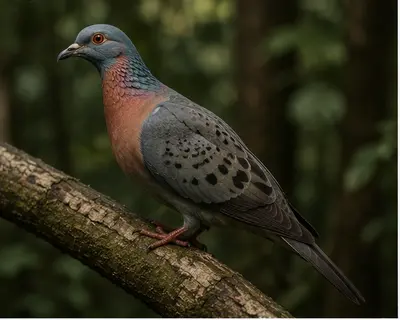
Once the most abundant bird in North America.
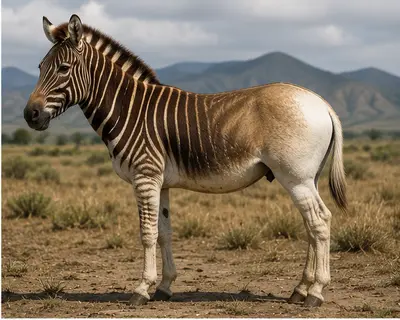
The partially striped zebra of South Africa.
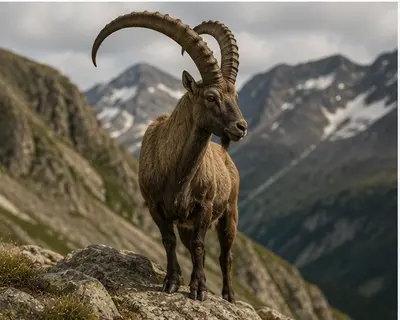
The mountain goat famously cloned after extinction.

The freshwater dolphin of the Yangtze River.
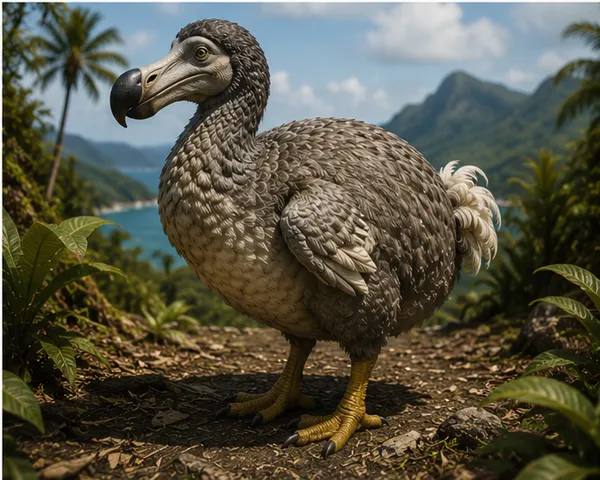
The flightless bird that became a symbol of extinction.
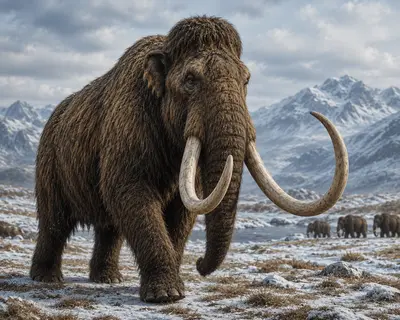
The Ice Age giant adapted to extreme cold.