The Carolina Parakeet
The only native parrot of the eastern United States.
The Carolina parakeet was the only parrot native to the eastern United States, driven to extinction in the early 20th century.
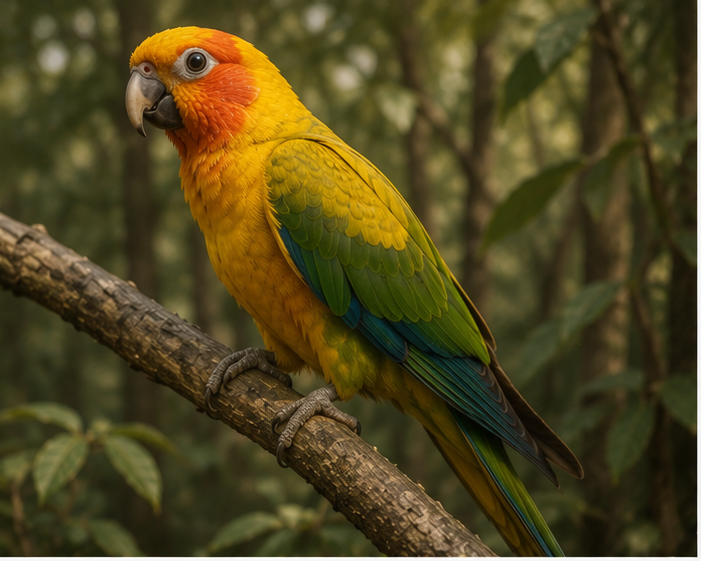
The Carolina parakeet was a colorful parrot and the only parrot species native to the eastern United States. Affected by hunting, habitat loss, and other pressures, it declined severely and became extinct in the early 20th century, a striking example of the loss of a once-familiar North American bird.
Explore this story
The Carolina parakeet is a striking example of a once-familiar bird lost to extinction. It was a colorful parrot and the only parrot species native to the eastern United States.
Affected by hunting, habitat loss, and other pressures, the Carolina parakeet declined severely and became extinct in the early 20th century. Its story illustrates how even a widespread, familiar bird can be lost.
This is the story of the only native parrot of the eastern United States.
- HistoricallyA native parrot of the east
The Carolina parakeet lived in the eastern United States.
It was the only parrot native to the region.
A distinctive North American bird.
It was the only native parrot of the eastern U.S.
- 1800sA familiar bird
The Carolina parakeet is a familiar bird.
It was found across parts of the eastern U.S.
A widespread native bird.
It was a colorful, recognizable species.
- 1800sGrowing pressures
Pressures on the parakeet grow.
Hunting, habitat loss, and other pressures increased.
Began driving decline.
It was hunted for various reasons.
- Late 1800sSevere decline
The Carolina parakeet declines severely.
Its numbers fell sharply.
Pushed the species toward extinction.
It became increasingly rare.
- Around 1918Extinction
The Carolina parakeet becomes extinct.
It became extinct in the early 20th century.
Marked the loss of the only native eastern parrot.
1918 is commonly cited around its end.
- After extinctionA symbol of bird loss
The Carolina parakeet becomes a symbol of bird loss.
It became a widely cited conservation example.
Represents the loss of a familiar species.
It is often mentioned alongside the passenger pigeon.
A Native Parrot of the East
Historically, the Carolina parakeet lived in the eastern United States as the only parrot native to the region. A distinctive North American bird, it was the only native parrot of the eastern U.S.
A Familiar Bird
Through the 1800s, the Carolina parakeet was a familiar bird, found across parts of the eastern U.S. A widespread native bird, it was colorful and recognizable.
Growing Pressures
Through the 1800s, pressures on the parakeet grew as hunting, habitat loss, and other pressures increased. It was hunted for various reasons, and these pressures began driving its decline.
Severe Decline
Through the late 1800s, the Carolina parakeet declined severely as its numbers fell sharply and it became increasingly rare, pushing the species toward extinction.
Extinction
Around 1918, the Carolina parakeet became extinct in the early 20th century. 1918 is commonly cited around its end, marking the loss of the only native eastern parrot.
A Symbol of Bird Loss
After its extinction, the Carolina parakeet became a symbol of bird loss and a widely cited conservation example. It represents the loss of a familiar species and is often mentioned alongside the passenger pigeon.
- The Carolina parakeet was a parrot.
- It was the only parrot native to the eastern United States.
- It was a colorful bird.
- It was native to North America.
- It was a distinctive North American bird.
- It was a familiar bird across parts of the eastern U.S.
- It was widespread as a native bird.
- Pressures grew through the 1800s.
- The Carolina parakeet was a parrot.
- It was the only parrot native to the eastern United States.
- It was a colorful bird.
- It was native to North America.
- It was a familiar bird across parts of the eastern U.S.
- Pressures grew through the 1800s.
- Hunting, habitat loss, and other pressures increased.
- It declined severely through the late 1800s.
There were many native parrot species in the eastern U.S.
The Carolina parakeet was the only parrot native to the eastern U.S.
It still survives today.
It became extinct in the early 20th century.
It lived only in South America.
It was native to the eastern United States.
It went extinct naturally without human influence.
Hunting, habitat loss, and other pressures drove its decline.
Everything about it is fully known.
Some details of its biology remain uncertain.
It was not a parrot.
It was a parrot.
It was drab and colorless.
It was a colorful bird.
Its extinction is undocumented.
Its extinction is documented.
It is unrelated to conservation.
It became a widely cited conservation example.
It has no connection to the passenger pigeon story.
It is often mentioned alongside the passenger pigeon.
Note: To respect strict accuracy, verbatim quotations are omitted here because exact wording cannot be verified in this draft. The Carolina parakeet's story is closely associated with themes of North American bird loss, habitat change, and conservation.
The Carolina parakeet's legacy is being a striking example of the loss of a once-familiar North American bird. As the only native parrot of the eastern United States, lost in the early 20th century, it is a notable case in conservation history.
The Carolina parakeet influences how people understand extinction and North American conservation. Its loss is widely cited, often alongside the passenger pigeon, as an example of how familiar species can vanish.
- Did you know the Carolina parakeet was a parrot?
- Did you know it was the only parrot native to the eastern United States?
- Did you know it was a colorful bird?
- Did you know it was native to North America?
- Did you know it was a distinctive North American bird?
- Did you know it was a familiar bird across parts of the eastern U.S.?
- Did you know it was widespread as a native bird?
- Did you know pressures grew through the 1800s?
Compared with tropical parrots, the Carolina parakeet was a temperate North American parrot, the only one native to the eastern U.S. Compared with other extinctions, it is often paired with the passenger pigeon as an example of American bird loss.
- Science
- It is studied in natural history and extinction science.
- Technology
- Not directly applicable.
- Business
- Historical trade and farming connect to its story.
- Politics
- It informs conservation discussions.
- Culture
- It became a symbol of loss.
- Education
- It is widely used to teach about extinction.
- Society
- It shaped awareness of North American bird loss.
- Environment
- It is a key example in conservation and biodiversity.
- General books on extinction and conservation.
- Books on North American birds.
- Works on habitat loss and wildlife history.
- Documentary topics on extinction.
- Features on North American birds.
- Programs on conservation.
A native parrot of the east (historically); a familiar bird (1800s); growing pressures (1800s); severe decline (late 1800s); extinction (around 1918); a symbol of bird loss (after extinction).
- Life as the only native parrot of the eastern U.S.
- Its status as a familiar, widespread bird.
- Growing pressures through the 1800s.
- Hunting and habitat loss.
- Severe decline in the late 1800s.
- Growing rarity.
- Extinction around 1918.
- Recognition of its extinction.
- Becoming a symbol of bird loss.
- Its lasting role in conservation awareness.
The precise timing of the Carolina parakeet's final extinction and the exact relative roles of hunting and habitat loss are studied and discussed among researchers. This article presents these points neutrally and avoids stating uncertain specifics as fact.
Not applicable. As an extinct species, the Carolina parakeet did not receive awards, but it holds a prominent place in the history of extinction and conservation.
The Carolina parakeet is a well-recognized example of North American bird extinction, widely referenced in education and conservation discussions, often alongside the passenger pigeon.
In 2026, the Carolina parakeet remains an example of how a familiar, widespread bird can be lost. Its story continues to shape conservation awareness.
1. The Carolina parakeet was a?
2. It was the only parrot native to the?
3. It was a?
Did You Know: The Carolina parakeet was the only parrot native to the eastern United States. Imagine If: A colorful native parrot familiar across the eastern U.S. vanishes within a few generations - that's the Carolina parakeet. Historic Moment: The extinction of the Carolina parakeet in the early 20th century. On This Day: Around 1918 - near the end of the Carolina parakeet.
Short Summary: The Carolina parakeet was the only parrot native to the eastern United States, driven to extinction in the early 20th century (around 1918).
Medium Summary: The Carolina parakeet was a colorful parrot and the only parrot species native to the eastern United States. Affected by hunting, habitat loss, and other pressures, it declined severely and became extinct in the early 20th century (commonly cited around 1918), a striking example of the loss of a once-familiar North American bird.
Long Summary: Historically, the Carolina parakeet lived in the eastern United States as the only parrot native to the region, a distinctive and colorful North American bird. Through the 1800s it was a familiar, widespread native bird, but pressures grew as hunting, habitat loss, and other pressures increased, and it was hunted for various reasons. Through the late 1800s it declined severely as its numbers fell sharply and it became increasingly rare. Around 1918, the Carolina parakeet became extinct, marking the loss of the only native eastern parrot. After its extinction, it became a widely cited symbol of North American bird loss, often mentioned alongside the passenger pigeon. The precise timing and relative causes remain studied and discussed.
People searching for the Carolina parakeet usually want to know what it was, where it lived, why it went extinct, and the significance of around 1918.
- 1.Peer-reviewed ornithological and conservation research
- 2.Encyclopaedia Britannica (Carolina parakeet entry)
- 3.Reputable natural history museums
- 4.Major scientific institutions
Related timelines
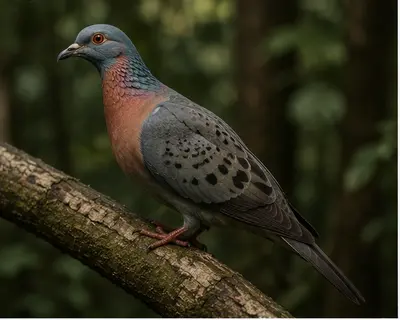
Once the most abundant bird in North America.

The mountain goat famously cloned after extinction.

The freshwater dolphin of the Yangtze River.
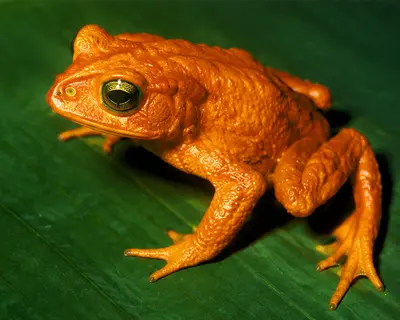
The bright orange toad of Costa Rica's cloud forests.
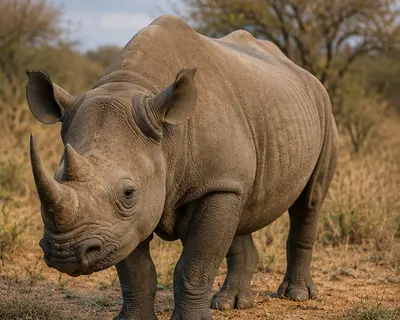
A lost subspecies of the black rhino.

The flightless seabird of the North Atlantic.