The Dodo
The flightless bird that became a symbol of extinction.
The dodo, a flightless bird of Mauritius, became the world's most famous symbol of human-caused extinction.
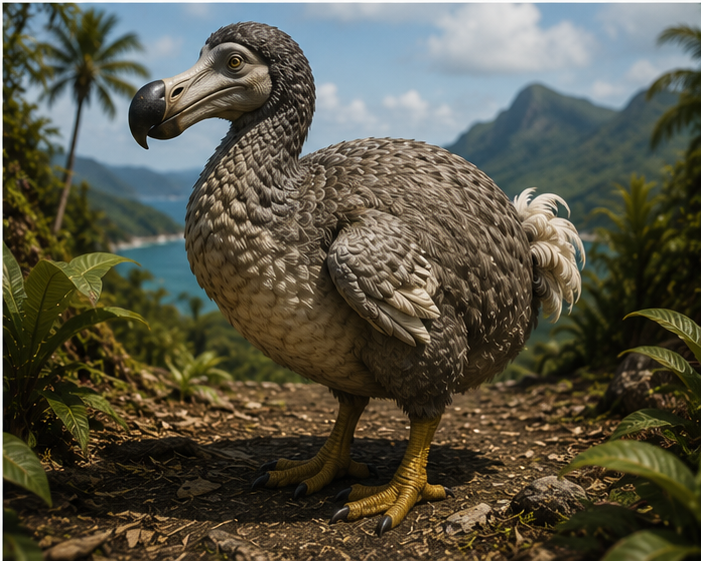
The dodo was a flightless bird endemic to the island of Mauritius. Encountered by people in the late 1500s and driven to extinction within about a century, it became the universal symbol of human-induced extinction.
Explore this story
The dodo is one of the most famous extinct animals in history. A flightless bird endemic to the island of Mauritius, it became the universal symbol of human-induced extinction.
Encountered by people around the late 1500s and driven to extinction within roughly a century, the dodo's story is widely used to illustrate how human activity can cause a species to disappear.
This is the story of the flightless bird that became a symbol of extinction.
- Before the late 1500sLife on Mauritius
The dodo lived on the island of Mauritius.
It was a flightless bird endemic to the island.
Represents an isolated island species.
It had no natural land predators before humans.
- Late 1500sEncountered by people
The dodo is encountered by people around the late 1500s.
Sailors and visitors reached Mauritius.
Began human contact with the dodo.
The dodo was recorded in historical accounts.
- Late 1500s-1600sPressures on the species
The dodo faced growing pressures.
Human activity and introduced animals affected it.
Contributed to its decline.
Introduced animals threatened its eggs and habitat.
- 1600sDecline
The dodo declines over the 1600s.
Its numbers fell during this period.
Marked the path toward extinction.
The decline happened within about a century.
- Mid-to-late 1600sExtinction
The dodo becomes extinct.
The species died out in the 1600s.
A famous case of human-caused extinction.
It is often dated to around the 1660s.
- After extinctionA symbol of extinction
The dodo becomes a symbol of extinction.
It became widely referenced in culture and science.
Represents human-induced extinction.
"As dead as a dodo" became a common phrase.
Life on Mauritius
Before the late 1500s, the dodo lived on the island of Mauritius as a flightless bird endemic to the island. Having no natural land predators before humans arrived, it represents an isolated island species.
Encountered by People
Around the late 1500s, the dodo was encountered by people as sailors and visitors reached Mauritius. This began human contact with the dodo, and it was recorded in historical accounts.
Pressures on the Species
Through the late 1500s and 1600s, the dodo faced growing pressures as human activity and introduced animals affected it. Introduced animals threatened its eggs and habitat, contributing to its decline.
Decline
Through the 1600s, the dodo declined as its numbers fell during this period, marking the path toward extinction within about a century of human contact.
Extinction
In the mid-to-late 1600s, the dodo became extinct, with the species dying out during this period. Often dated to around the 1660s, it became a famous case of human-caused extinction.
A Symbol of Extinction
After its extinction, the dodo became a symbol of extinction, widely referenced in culture and science. The phrase "as dead as a dodo" became common, and the dodo came to represent human-induced extinction.
- The dodo was a flightless bird.
- It was endemic to the island of Mauritius.
- Mauritius is an island in the Indian Ocean.
- It had no natural land predators before humans.
- It was encountered by people around the late 1500s.
- It was recorded in historical accounts.
- Human activity affected the species.
- Introduced animals threatened it.
- The dodo was endemic to Mauritius.
- Mauritius is an island in the Indian Ocean.
- It had no natural land predators before humans.
- It was encountered by people around the late 1500s.
- It was recorded in historical accounts.
- Introduced animals threatened its eggs and habitat.
- It declined over the 1600s.
- Its extinction is often dated to around the 1660s.
The dodo could fly.
It was a flightless bird.
The dodo lived all over the world.
It was endemic to the island of Mauritius.
The dodo went extinct naturally without human influence.
Human activity and introduced animals contributed to its extinction.
The dodo disappeared instantly.
Its decline happened over roughly a century.
Everything about the dodo is fully known.
Some details of its biology remain uncertain.
The dodo had many natural land predators.
It had no natural land predators before humans arrived.
The dodo is a mythical creature.
It was a real bird known from remains and accounts.
The dodo went extinct recently.
It went extinct in the 1600s.
The dodo is unrelated to conservation.
It became a symbol of extinction and conservation.
The dodo lived on a continent.
It lived on a single island, Mauritius.
Note: To respect strict accuracy, verbatim quotations are omitted here because exact wording cannot be verified in this draft. The dodo's story is closely associated with themes of extinction, island species, and conservation.
The dodo's legacy is becoming the universal symbol of human-induced extinction. Its disappearance from Mauritius within about a century of human contact is one of the most famous examples of how human activity can cause a species to vanish.
The dodo influences how people think about extinction and conservation. As a famous extinct species, it is widely used in education and culture to illustrate the consequences of human impact on wildlife.
- Did you know the dodo was a flightless bird?
- Did you know it was endemic to Mauritius?
- Did you know Mauritius is an island in the Indian Ocean?
- Did you know it had no natural land predators before humans?
- Did you know it was encountered by people around the late 1500s?
- Did you know it was recorded in historical accounts?
- Did you know human activity affected the species?
- Did you know introduced animals threatened it?
Compared with flying birds, the dodo was flightless and vulnerable on the ground. Compared with other extinct species like the great auk or passenger pigeon, the dodo is especially famous as the universal symbol of human-induced extinction.
- Science
- It is studied in natural history and extinction science.
- Technology
- Not directly applicable.
- Business
- Not directly applicable.
- Politics
- It informs conservation discussions.
- Culture
- It became a widely referenced cultural symbol.
- Education
- It is widely used to teach about extinction.
- Society
- It shaped awareness of human impact on wildlife.
- Environment
- It is a key example in conservation and biodiversity.
- General books on extinction and conservation.
- Books on island species and natural history.
- Works on human impact on wildlife.
- Documentary topics on extinction.
- Features on island species.
- Programs on conservation and biodiversity.
Life on Mauritius (before late 1500s); encountered by people (late 1500s); pressures on the species (late 1500s-1600s); decline (1600s); extinction (mid-to-late 1600s); a symbol of extinction (after extinction).
- Life as an isolated island species.
- First human contact (late 1500s).
- Recording in historical accounts.
- Pressure from introduced animals.
- Threats to eggs and habitat.
- Decline over the 1600s.
- Extinction in the mid-to-late 1600s.
- Becoming a symbol of extinction.
- The phrase "as dead as a dodo."
- Its lasting role in conservation awareness.
Some details of the dodo's biology, exact appearance, and the precise date of its extinction are uncertain and debated among researchers. This article presents these points neutrally and avoids stating uncertain specifics as fact.
Not applicable. As an extinct species, the dodo did not receive awards, but it holds a prominent place in the history of extinction and conservation.
The dodo is one of the most recognized extinct animals in the world, widely referenced in culture, education, and discussions of conservation.
In 2026, the dodo remains the universal symbol of human-induced extinction. Its story continues to shape awareness of conservation and the vulnerability of island species.
1. The dodo was a?
2. It was endemic to?
3. Mauritius is in the?
Did You Know: The dodo went extinct within about a century of human contact. Imagine If: An island bird with no natural predators meets sudden new threats - that's the dodo's story. Historic Moment: The extinction of the dodo in the 1600s. On This Day: Late 1500s - the dodo is encountered by people on Mauritius.
Short Summary: The dodo was a flightless bird of Mauritius that went extinct in the 1600s and became a symbol of extinction.
Medium Summary: The dodo, a flightless bird endemic to Mauritius, was encountered by people around the late 1500s and driven to extinction within about a century by human activity and introduced animals. It became the universal symbol of human-induced extinction.
Long Summary: Before the late 1500s, the dodo lived on the island of Mauritius as a flightless bird with no natural land predators. Around the late 1500s it was encountered by people and recorded in historical accounts, and through the late 1500s and 1600s it faced growing pressures from human activity and introduced animals that threatened its eggs and habitat. It declined over the 1600s and became extinct in the mid-to-late 1600s, often dated to around the 1660s, within roughly a century of human contact. After its extinction, the dodo became the universal symbol of human-induced extinction, widely referenced in culture and science and central to discussions of conservation and the vulnerability of island species. Some details of its biology remain uncertain.
People searching for the dodo usually want to know what it was, where it lived, why and when it went extinct, and why it became a symbol of extinction.
- 1.Natural history museum resources (e.g., major natural history museums)
- 2.Encyclopaedia Britannica (dodo entry)
- 3.Peer-reviewed research on the dodo and island extinctions
- 4.Reputable science and conservation organizations
Related timelines

Once the most abundant bird in North America.
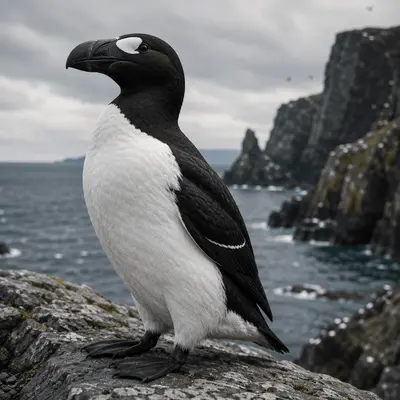
The flightless seabird of the North Atlantic.
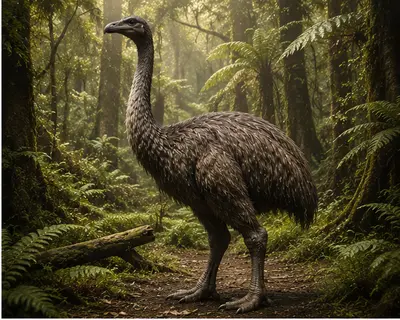
The giant flightless bird of New Zealand.
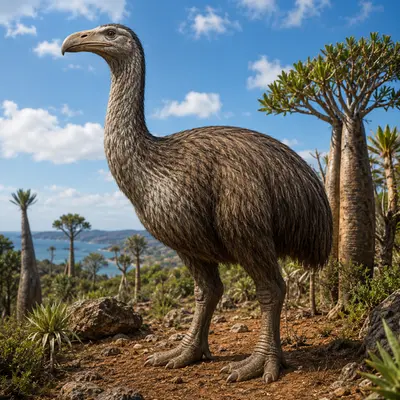
The giant flightless bird of Madagascar.
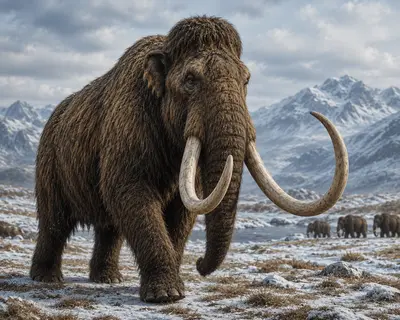
The Ice Age giant adapted to extreme cold.
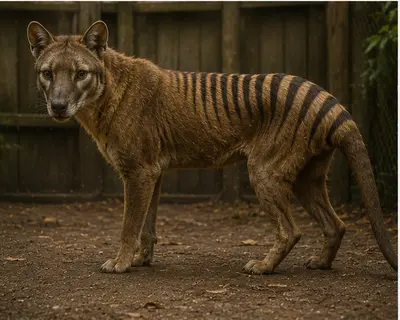
The largest carnivorous marsupial of modern times.