Silphium
The prized lost herb of the classical world.
Silphium was a highly prized plant of the classical Mediterranean world, valued so greatly that it is traditionally said to have been harvested to extinction.
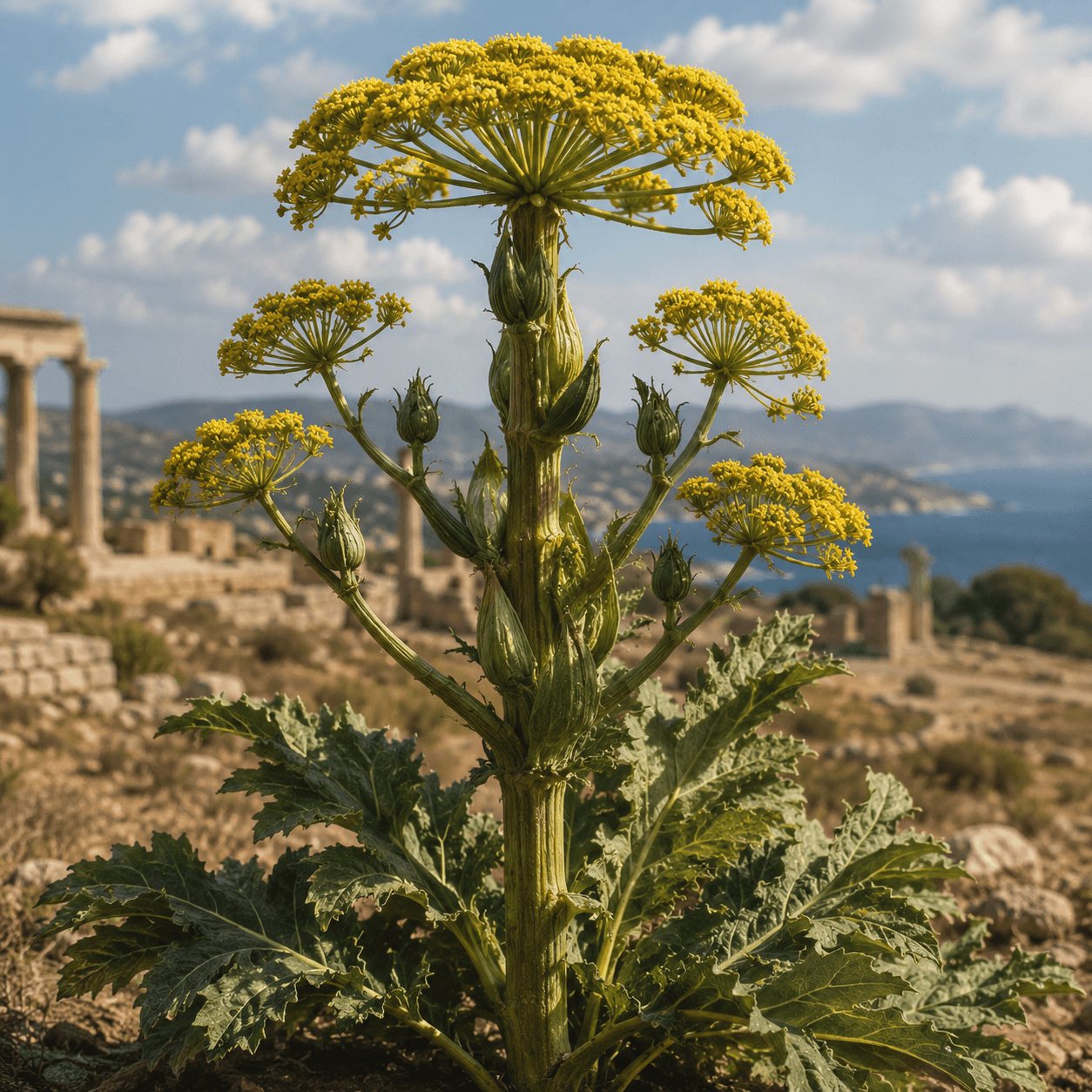
Silphium was a plant famous in the classical Mediterranean world, especially associated with the city of Cyrene in North Africa. Prized for culinary and medicinal uses and as a major trade commodity, it was reportedly harvested to extinction in Roman times, becoming a famous example of an over-exploited natural resource.
Explore this story
Silphium is one of the most famous examples of a valuable plant said to have been lost to over-exploitation. It was a plant prized in the classical Mediterranean world.
Especially associated with the city of Cyrene in North Africa, silphium was valued for culinary and medicinal uses and as a major trade commodity, and it is traditionally said to have been harvested to extinction in Roman times. Its story is often cited as an early example of over-harvesting.
This is the story of the prized lost herb of the classical world.
- Classical antiquityA prized plant of Cyrene
Silphium is prized in the classical world.
It was especially associated with the city of Cyrene.
A valuable classical commodity.
It was closely linked to Cyrene's wealth.
- Classical antiquityMany uses
Silphium is used for food and medicine.
It was valued for culinary and medicinal uses.
Drove its high demand.
It was among the most valued plants of its time.
- Classical antiquityA major trade good
Silphium becomes a major trade commodity.
It was traded widely and was highly valuable.
Made it economically important.
It appeared on coins of Cyrene.
- Roman periodOver-harvesting
Silphium is heavily harvested.
High demand led to intense harvesting.
Pressured the plant's survival.
Its value encouraged relentless collection.
- Roman periodReported extinction
Silphium is reportedly harvested to extinction.
Classical sources indicate it became extremely rare and was lost.
A famous early case of over-exploitation.
Ancient accounts note its growing scarcity.
- After antiquityA lasting symbol
Silphium becomes a lasting symbol.
It is remembered as an example of over-harvesting.
Represents the loss of a valued resource.
Its exact botanical identity remains debated.
A Prized Plant of Cyrene
In classical antiquity, silphium was prized in the classical world, especially associated with the city of Cyrene in North Africa. A valuable classical commodity, it was closely linked to Cyrene's wealth.
Many Uses
In classical antiquity, silphium was used for food and medicine, valued for culinary and medicinal uses. Among the most valued plants of its time, its many uses drove its high demand.
A Major Trade Good
In classical antiquity, silphium became a major trade commodity, traded widely and highly valuable. Economically important, it appeared on the coins of Cyrene.
Over-Harvesting
In the Roman period, silphium was heavily harvested, as high demand led to intense harvesting. Its value encouraged relentless collection, pressuring the plant's survival.
Reported Extinction
In the Roman period, silphium is reportedly harvested to extinction, with classical sources indicating it became extremely rare and was lost. A famous early case of over-exploitation, ancient accounts note its growing scarcity.
A Lasting Symbol
After antiquity, silphium became a lasting symbol, remembered as an example of over-harvesting. Representing the loss of a valued resource, its exact botanical identity remains debated.
- Silphium was a prized plant of the classical world.
- It was especially associated with Cyrene in North Africa.
- It was valued for culinary uses.
- It was valued for medicinal uses.
- It was a major trade commodity.
- It was highly valued in antiquity.
- It was closely linked to Cyrene's wealth.
- It appeared on ancient coins of Cyrene.
- Silphium was a prized plant of the classical world.
- It was especially associated with Cyrene.
- It was valued for culinary and medicinal uses.
- It was a major trade commodity.
- It was closely linked to Cyrene's wealth.
- It appeared on ancient coins of Cyrene.
- High demand drove intense harvesting.
- It is reportedly harvested to extinction.
Silphium's exact botanical identity is fully known.
Its exact identity remains debated among scholars.
It survives commonly today.
It is traditionally considered lost since antiquity.
It had no economic importance.
It was a major trade commodity linked to Cyrene's wealth.
It was lost with no human influence.
It is traditionally said to have been harvested to extinction.
Everything about it is certain.
Much about silphium remains uncertain.
It appeared on no artifacts.
It appeared on ancient coins of Cyrene.
It had only one use.
It was valued for culinary and medicinal uses.
It is unrelated to discussions of extinction.
It is widely cited as an example of over-exploitation.
It was a modern plant.
It was a plant of classical antiquity.
Its loss is entirely undocumented.
Classical sources describe its scarcity and loss.
Note: To respect strict accuracy, verbatim quotations from classical sources are omitted here because exact wording and translations cannot be verified in this draft. Silphium's story is closely associated with themes of trade, over-harvesting, and the classical world.
Silphium's legacy is being one of the most famous examples of a valuable plant lost to over-exploitation. As a prized commodity of classical Cyrene reportedly harvested to extinction, it is frequently cited in discussions of sustainability and resource use.
Silphium influences how people understand over-harvesting and the loss of natural resources. Its story is widely used as an early, memorable example of how intense demand can exhaust a valuable species.
- Did you know silphium was a prized plant of the classical world?
- Did you know it was especially associated with Cyrene?
- Did you know it was valued for culinary uses?
- Did you know it was valued for medicinal uses?
- Did you know it was a major trade commodity?
- Did you know it was closely linked to Cyrene's wealth?
- Did you know it appeared on ancient coins of Cyrene?
- Did you know high demand drove intense harvesting?
Compared with plants that survive today, silphium is a classical resource traditionally considered lost. Compared with other extinctions, it is especially cited as an early example of over-harvesting driven by economic demand.
- Science
- It is studied in botany and the history of medicine.
- Technology
- Not directly applicable.
- Business
- It was a major trade commodity of the classical world.
- Politics
- It was tied to the economy of Cyrene.
- Culture
- It appeared on coins and in classical accounts.
- Education
- It is widely used to teach about over-harvesting.
- Society
- It shaped the economy of its region.
- Environment
- It is a key example in discussions of resource exhaustion.
- General books on classical antiquity and trade.
- Books on the history of botany and medicinal plants.
- Works on over-harvesting and resource use.
- Documentary topics on classical antiquity.
- Features on the history of plants and trade.
- Programs on resource use and sustainability.
A prized plant of Cyrene (classical antiquity); many uses (classical antiquity); a major trade good (classical antiquity); over-harvesting (Roman period); reported extinction (Roman period); a lasting symbol (after antiquity).
- Its status as a prized plant of Cyrene.
- Its culinary and medicinal uses.
- Its rise as a major trade commodity.
- Its depiction on coins of Cyrene.
- Intense harvesting under high demand.
- Growing scarcity noted in ancient sources.
- Its reported extinction in the Roman period.
- Its remembrance as an example of over-harvesting.
- Ongoing debate about its identity.
- Its lasting role as a symbol of over-exploitation.
The exact botanical identity of silphium, the precise reasons for its loss, and the details of its extinction are debated among scholars. This article presents these points neutrally and avoids stating uncertain specifics as fact.
Not applicable. As a plant of classical antiquity, silphium did not receive awards, but it holds a prominent place in the history of trade, botany, and over-exploitation.
Silphium is a well-recognized example of a lost valuable plant, widely referenced in discussions of history, botany, and sustainability.
In 2026, silphium remains a memorable early example of over-harvesting. Its story continues to inform discussions of sustainability and the loss of valued natural resources.
1. Silphium was a?
2. It was especially associated with?
3. It was valued for?
Did You Know: Silphium appeared on the ancient coins of Cyrene. Imagine If: A plant so valuable it defines a city's wealth is harvested until none remain - that's silphium. Historic Moment: The reported harvesting of silphium to extinction in Roman times. On This Day: In the Roman period - silphium becomes extremely rare and is lost.
Short Summary: Silphium was a prized plant of classical Cyrene, valued for food, medicine, and trade, and reportedly harvested to extinction in Roman times.
Medium Summary: Silphium was a plant famous in the classical Mediterranean world, especially associated with the city of Cyrene in North Africa. Prized for culinary and medicinal uses and as a major trade commodity depicted on ancient coins, it was reportedly harvested to extinction in the Roman period, becoming a famous example of an over-exploited natural resource.
Long Summary: In classical antiquity, silphium was a prized plant of the classical world, especially associated with the city of Cyrene in North Africa and closely linked to its wealth. Valued for culinary and medicinal uses, it became a major trade commodity and appeared on the coins of Cyrene. In the Roman period, high demand led to intense harvesting, and its value encouraged relentless collection; classical sources note its growing scarcity, and it is traditionally said to have been harvested to extinction. After antiquity, silphium became a lasting symbol of over-exploitation and the loss of a valued resource, though its exact botanical identity remains debated. Much about silphium remains uncertain and is discussed among scholars.
People searching for silphium usually want to know what it was, why it was so valuable, its link to Cyrene, and why it was lost.
- 1.Peer-reviewed classical history and archaeobotany research
- 2.Encyclopaedia Britannica (silphium entry)
- 3.Reputable museums and academic institutions
- 4.Scholarly works on ancient Cyrene
Related timelines

An aromatic island tree logged to extinction.
A wild coffee species lost to changing land.
A lost endemic tree of a remote island.
A rare wildflower lost to industrial change.
Extinct in the wild, saved in cultivation.

The flightless bird that became a symbol of extinction.