Chile Sandalwood
An aromatic island tree logged to extinction.
Chile sandalwood was a valuable aromatic tree of the Juan Fernández Islands, logged so heavily for its fragrant wood that it was driven to extinction.
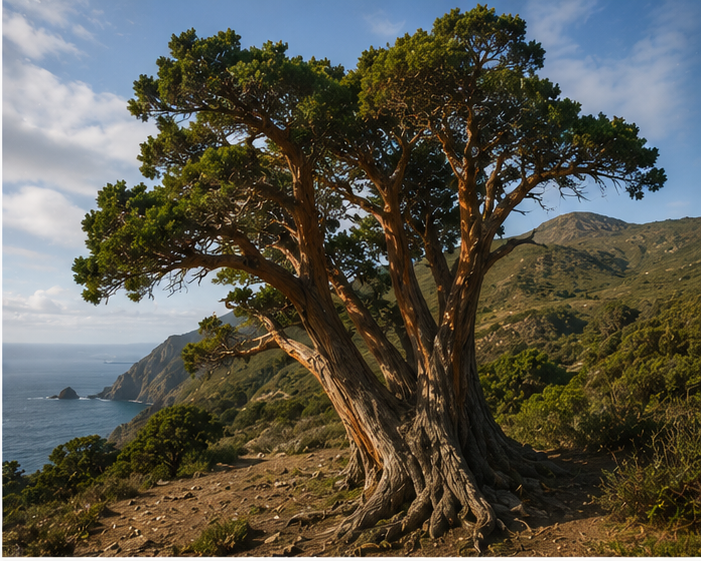
Chile sandalwood was a fragrant, high-value tree associated with the Juan Fernández Islands of Chile. Heavily exploited for its aromatic wood, it was logged to extinction, becoming a striking example of a species lost to over-harvesting for a valuable natural product.
Explore this story
Chile sandalwood is a striking example of a species lost to over-harvesting for a valuable product. It was a fragrant, high-value tree associated with the Juan Fernández Islands of Chile.
Heavily exploited for its aromatic wood, Chile sandalwood was logged to extinction. Its story illustrates how intense demand for a valuable natural product can eliminate a species entirely.
This is the story of an aromatic island tree logged to extinction.
- HistoricallyAn aromatic island tree
Chile sandalwood grew in the Juan Fernández Islands.
It was a fragrant, high-value tree.
A prized aromatic species.
Its wood was valued for its fragrance.
- 1800sHigh demand
Demand for its fragrant wood grows.
The tree was prized for its aromatic wood.
Drove intense exploitation.
Aromatic woods were highly valuable commodities.
- 1800sHeavy logging
The tree is heavily logged.
It was cut extensively for its valuable wood.
Rapidly reduced its numbers.
Its high value encouraged relentless logging.
- Late 1800sSevere decline
Chile sandalwood declines severely.
Over-harvesting brought it to very low numbers.
Pushed it toward extinction.
It became increasingly scarce.
- Early 20th centuryExtinction
Chile sandalwood becomes extinct.
It was logged to extinction, lost by the early 20th century.
A case of resource-driven extinction.
1908 is commonly cited around its extinction.
- After extinctionA symbol of over-harvesting
It becomes a symbol of over-harvesting.
It became a widely cited conservation example.
Represents extinction from exploitation.
It illustrates the risk of over-exploiting valuable species.
An Aromatic Island Tree
Historically, Chile sandalwood grew in the Juan Fernández Islands as a fragrant, high-value tree. A prized aromatic species, its wood was valued for its fragrance.
High Demand
Through the 1800s, demand for its fragrant wood grew, as the tree was prized for its aromatic wood. Aromatic woods were highly valuable commodities, and this drove intense exploitation.
Heavy Logging
Through the 1800s, the tree was heavily logged, cut extensively for its valuable wood. Its high value encouraged relentless logging, rapidly reducing its numbers.
Severe Decline
Through the late 1800s, Chile sandalwood declined severely as over-harvesting brought it to very low numbers. It became increasingly scarce, pushing it toward extinction.
Extinction
In the early 20th century, Chile sandalwood became extinct, logged to extinction and lost. 1908 is commonly cited around its extinction - a case of resource-driven extinction.
A Symbol of Over-Harvesting
After its extinction, Chile sandalwood became a symbol of over-harvesting and a widely cited conservation example. It represents extinction from exploitation and illustrates the risk of over-exploiting valuable species.
- Chile sandalwood was an aromatic tree.
- It was a high-value species.
- It was associated with the Juan Fernández Islands of Chile.
- It was prized for its fragrant wood.
- Its wood was valued for its fragrance.
- Demand for its fragrant wood grew in the 1800s.
- Aromatic woods were highly valuable commodities.
- High demand drove intense exploitation.
- Chile sandalwood was an aromatic tree.
- It was a high-value species.
- It was associated with the Juan Fernández Islands of Chile.
- It was prized for its fragrant wood.
- Demand for its fragrant wood grew in the 1800s.
- It was heavily logged for its valuable wood.
- Its high value encouraged relentless logging.
- Over-harvesting rapidly reduced its numbers.
Chile sandalwood grew all over the world.
It was associated with the Juan Fernández Islands of Chile.
It still survives commonly today.
It was logged to extinction by the early 20th century.
It had no economic value.
It was a high-value tree prized for its fragrant wood.
It was lost with no human influence.
Heavy logging for its wood drove it to extinction.
Everything about it is fully known.
Some details of its biology remain uncertain.
Its wood was not fragrant.
It was prized specifically for its fragrant, aromatic wood.
No records of it exist.
It is known from records and study.
Its extinction is undocumented.
Its extinction is documented, commonly cited around 1908.
It is unrelated to conservation.
It became a widely cited conservation example.
Over-harvesting cannot cause extinction.
Chile sandalwood is a clear example that it can.
Note: To respect strict accuracy, verbatim quotations are omitted here because exact wording cannot be verified in this draft. Chile sandalwood's story is closely associated with themes of over-harvesting, valuable natural products, and island plants.
Chile sandalwood's legacy is being a striking example of a species logged to extinction for a valuable product. As an aromatic tree of the Juan Fernández Islands lost by the early 20th century, it is widely cited in discussions of over-harvesting.
Chile sandalwood influences how people understand extinction and sustainable use. Its loss is widely cited as an example of how demand for a valuable natural product can exhaust and eliminate a species.
- Did you know Chile sandalwood was an aromatic tree?
- Did you know it was a high-value species?
- Did you know it was associated with the Juan Fernández Islands of Chile?
- Did you know it was prized for its fragrant wood?
- Did you know its wood was valued for its fragrance?
- Did you know demand for its fragrant wood grew in the 1800s?
- Did you know aromatic woods were highly valuable commodities?
- Did you know high demand drove intense exploitation?
Compared with widespread trees, Chile sandalwood was a narrowly distributed, high-value island species. Compared with other extinctions, it is especially cited alongside silphium as an example of over-harvesting for a valuable product.
- Science
- It is studied in botany and history.
- Technology
- Not directly applicable.
- Business
- The fragrant-wood trade drove its exploitation.
- Politics
- It informs discussions of resource management.
- Culture
- Aromatic woods have long been valued across cultures.
- Education
- It is widely used to teach about over-harvesting.
- Society
- It shaped local resource use.
- Environment
- It is a key example in conservation and biodiversity.
- General books on extinction and conservation.
- Books on island floras and aromatic plants.
- Works on over-harvesting and resource use.
- Documentary topics on extinction.
- Features on island ecosystems.
- Programs on over-harvesting and conservation.
An aromatic island tree (historically); high demand (1800s); heavy logging (1800s); severe decline (late 1800s); extinction (early 20th century, around 1908); a symbol of over-harvesting (after extinction).
- Life as a fragrant, high-value island tree.
- Growing demand for its aromatic wood.
- The onset of heavy logging.
- Relentless logging under high value.
- Severe decline in the late 1800s.
- Growing scarcity.
- Extinction in the early 20th century (around 1908).
- Recognition of its extinction.
- Becoming a symbol of over-harvesting.
- Its lasting role in conservation awareness.
The precise timing of Chile sandalwood's extinction and details of its distribution are discussed among researchers. This article presents these points neutrally and avoids stating uncertain specifics as fact.
Not applicable. As an extinct plant species, Chile sandalwood did not receive awards, but it holds a prominent place in the history of over-harvesting and extinction.
Chile sandalwood is a recognized example of over-harvesting extinction, referenced in conservation and botany discussions.
In 2026, Chile sandalwood remains an example of how demand for a valuable product can drive a species to extinction. Its story continues to inform discussions of sustainable use.
1. Chile sandalwood was an?
2. It was associated with the?
3. It was prized for its?
Did You Know: Chile sandalwood was prized for its fragrant wood. Imagine If: A tree so valuable for its scent is cut down until none remain - that's Chile sandalwood. Historic Moment: The logging of Chile sandalwood to extinction in the early 20th century. On This Day: Around 1908 - Chile sandalwood is lost.
Short Summary: Chile sandalwood was a fragrant, high-value tree of the Juan Fernández Islands logged to extinction by the early 20th century (around 1908).
Medium Summary: Chile sandalwood was a fragrant, high-value tree associated with the Juan Fernández Islands of Chile. Heavily exploited for its aromatic wood, it was logged to extinction by the early 20th century (commonly cited around 1908), becoming a striking example of a species lost to over-harvesting for a valuable natural product.
Long Summary: Historically, Chile sandalwood grew in the Juan Fernández Islands as a fragrant, high-value tree prized for its aromatic wood. Through the 1800s, demand for its fragrant wood grew, and as aromatic woods were highly valuable commodities, this drove intense exploitation. The tree was heavily logged, its high value encouraging relentless logging that rapidly reduced its numbers, and through the late 1800s it declined severely and became increasingly scarce. In the early 20th century, commonly cited around 1908, Chile sandalwood was logged to extinction. After its extinction, it became a widely cited symbol of over-harvesting and of extinction from exploitation. The precise timing and details of its distribution remain discussed.
People searching for Chile sandalwood usually want to know what it was, where it grew, why it went extinct, and the significance of around 1908.
- 1.Peer-reviewed botanical and conservation research
- 2.International conservation organizations (e.g., international conservation bodies)
- 3.Reputable botanical gardens and herbaria
- 4.Encyclopaedia Britannica or comparable references
Related timelines
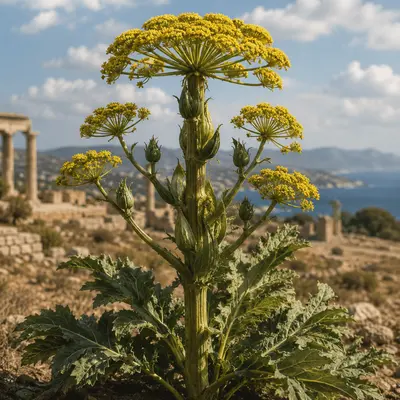
The prized lost herb of the classical world.
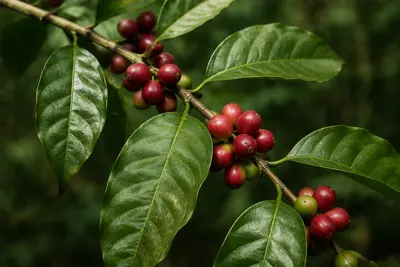
A wild coffee species lost to changing land.
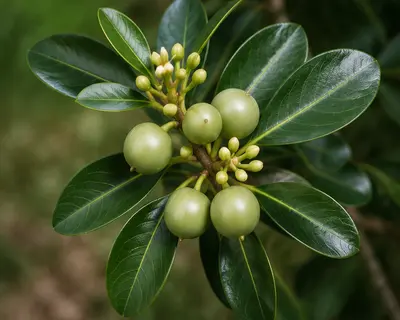
A lost endemic tree of a remote island.
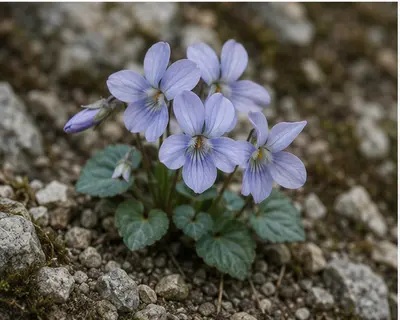
A rare wildflower lost to industrial change.
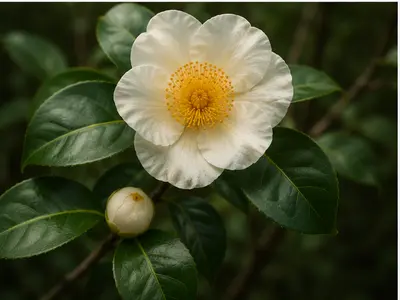
Extinct in the wild, saved in cultivation.
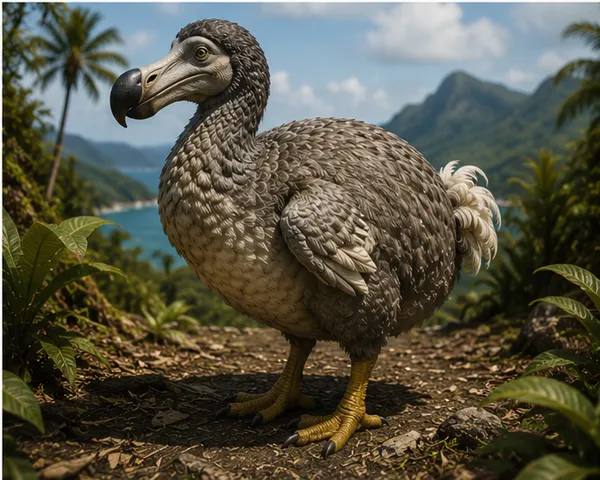
The flightless bird that became a symbol of extinction.