The Franklin Tree
Extinct in the wild, saved in cultivation.
The Franklin tree is a flowering tree from Georgia that is extinct in the wild but survives today only in cultivation.
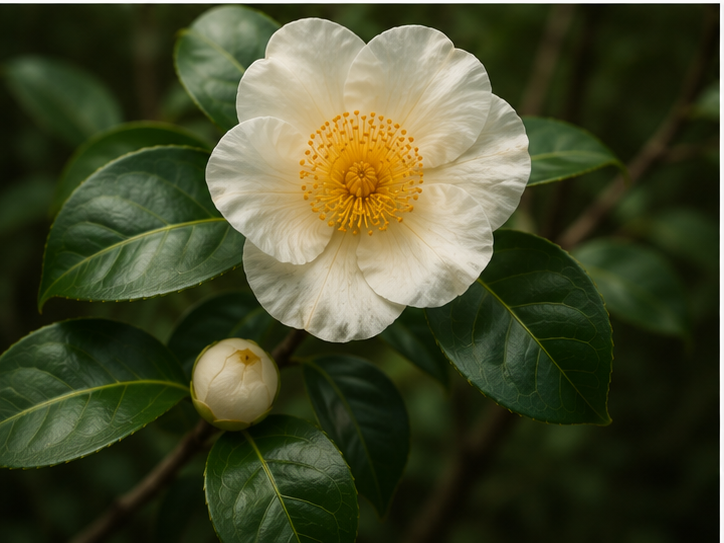
The Franklin tree is a flowering tree originally found in a small area of Georgia in the United States. Documented by early botanists and brought into cultivation, it has not been reliably seen in the wild since the early 1800s and is considered extinct in the wild, yet it survives today because it was propagated in gardens - a rare case of a species saved by cultivation.
Explore this story
The Franklin tree is a remarkable case of a plant extinct in the wild but saved in cultivation. It is a flowering tree originally found in a small area of Georgia in the United States.
Documented by early botanists and brought into cultivation, the Franklin tree has not been reliably seen in the wild since the early 1800s and is considered extinct in the wild. It survives today because it was propagated in gardens, a rare success of cultivation.
This is the story of a tree extinct in the wild but saved in cultivation.
- 1700sA tree of Georgia
The Franklin tree grows in a small area of Georgia.
It was originally found in a limited area in Georgia.
A narrowly distributed native tree.
Its natural range was very small.
- 1765Documented by botanists
Early botanists document the tree.
It was recorded by early American botanists in the 1700s.
Brought scientific attention to it.
It was named in honor of Benjamin Franklin.
- 1700sBrought into cultivation
The tree is propagated in gardens.
Seeds and plants were cultivated away from the wild site.
Preserved the species outside the wild.
This cultivation would later save the species.
- Early 1800sLost in the wild
The tree disappears from the wild.
It has not been reliably seen in the wild since the early 1800s.
Marked its extinction in the wild.
1803 is commonly cited around the last wild sightings.
- After the early 1800sSurviving only in cultivation
The Franklin tree survives only in cultivation.
All living Franklin trees descend from cultivated plants.
A rare case of survival by cultivation.
Every Franklin tree today is a cultivated descendant.
- TodayA conservation symbol
It becomes a symbol of conservation through cultivation.
It is grown in gardens and studied as an extinct-in-the-wild species.
Represents survival despite wild extinction.
It shows how cultivation can preserve a species.
A Tree of Georgia
In the 1700s, the Franklin tree grew in a small area of Georgia, originally found in a limited area. A narrowly distributed native tree, its natural range was very small.
Documented by Botanists
In 1765, early botanists documented the tree, recording it in the 1700s. Named in honor of Benjamin Franklin, this brought scientific attention to it.
Brought into Cultivation
In the 1700s, the tree was propagated in gardens as seeds and plants were cultivated away from the wild site. This cultivation would later save the species, preserving it outside the wild.
Lost in the Wild
In the early 1800s, the tree disappeared from the wild, and it has not been reliably seen in the wild since. 1803 is commonly cited around the last wild sightings, marking its extinction in the wild.
Surviving Only in Cultivation
After the early 1800s, the Franklin tree survived only in cultivation, as all living Franklin trees descend from cultivated plants. Every Franklin tree today is a cultivated descendant - a rare case of survival by cultivation.
A Conservation Symbol
Today, the Franklin tree is a symbol of conservation through cultivation, grown in gardens and studied as an extinct-in-the-wild species. It represents survival despite wild extinction and shows how cultivation can preserve a species.
- The Franklin tree is a flowering tree.
- It was originally found in a small area of Georgia, USA.
- Its natural range was very small.
- It was documented by early American botanists in the 1700s.
- It was named in honor of Benjamin Franklin.
- It was brought into cultivation in the 1700s.
- This cultivation would later save the species.
- It has not been reliably seen in the wild since the early 1800s.
- The Franklin tree is a flowering tree.
- It was originally found in a small area of Georgia, USA.
- Its natural range was very small.
- It was documented by early American botanists in the 1700s.
- It was named in honor of Benjamin Franklin.
- It was brought into cultivation in the 1700s.
- It has not been reliably seen in the wild since the early 1800s.
- 1803 is commonly cited around the last wild sightings.
The Franklin tree is completely extinct.
It is extinct in the wild but survives in cultivation.
It can still be found growing wild.
It has not been reliably seen in the wild since the early 1800s.
It had a wide natural range.
Its natural range was very small, in Georgia.
Cultivation played no role in its survival.
Cultivation is the reason it survives today.
Everything about it is fully known.
Some details of its history remain uncertain.
It is unrelated to camellias.
It is a relative of the camellia family group.
It was never documented.
It was documented by early American botanists.
Its name is unrelated to Benjamin Franklin.
It was named in honor of Benjamin Franklin.
It is unrelated to conservation.
It is a celebrated conservation-through-cultivation example.
Living trees come from wild populations.
All living Franklin trees descend from cultivated plants.
Note: To respect strict accuracy, verbatim quotations are omitted here because exact wording cannot be verified in this draft. The Franklin tree's story is closely associated with themes of early botany, extinction in the wild, and conservation through cultivation.
The Franklin tree's legacy is being a rare example of a species extinct in the wild but saved in cultivation. Documented by early botanists and preserved in gardens, it is celebrated in horticulture and conservation as a plant that survives only because it was cultivated.
The Franklin tree influences how people understand extinction in the wild and the role of gardens in conservation. Its survival is widely cited as an example of how cultivation can preserve a species that has vanished from nature.
- Did you know the Franklin tree is a flowering tree?
- Did you know it was originally found in a small area of Georgia, USA?
- Did you know its natural range was very small?
- Did you know it was documented by early American botanists in the 1700s?
- Did you know it was named in honor of Benjamin Franklin?
- Did you know it was brought into cultivation in the 1700s?
- Did you know this cultivation would later save the species?
- Did you know it has not been reliably seen in the wild since the early 1800s?
Compared with fully extinct species, the Franklin tree survives in cultivation despite being gone from the wild. Compared with widespread trees, it had a very small natural range and depends on gardens for its survival.
- Science
- It is studied in botany and horticulture.
- Technology
- Not directly applicable.
- Business
- It is valued in horticulture and gardening.
- Politics
- It informs discussions of conservation.
- Culture
- It is named after Benjamin Franklin and grown widely.
- Education
- It is used to teach about extinction in the wild.
- Society
- It shaped awareness of gardens' conservation role.
- Environment
- It is an example in conservation and biodiversity.
- General books on extinction and conservation.
- Books on early American botany.
- Works on horticulture and plant conservation.
- Documentary topics on extinction in the wild.
- Features on botanical gardens and conservation.
- Programs on the history of botany.
A tree of Georgia (1700s); documented by botanists (1765); brought into cultivation (1700s); lost in the wild (early 1800s, around 1803); surviving only in cultivation (after the early 1800s); a conservation symbol (today).
- Life as a narrowly distributed tree of Georgia.
- Documentation by early botanists.
- Naming in honor of Benjamin Franklin.
- Being brought into cultivation.
- Disappearance from the wild in the early 1800s.
- Recognition as extinct in the wild.
- Survival entirely through cultivated plants.
- Cultivation in gardens worldwide.
- Becoming a symbol of conservation through cultivation.
- Its lasting role in conservation awareness.
The precise timing of the Franklin tree's disappearance from the wild and details of its original range are discussed among researchers. This article presents these points neutrally and avoids stating uncertain specifics as fact.
Not applicable. As a plant, the Franklin tree did not receive awards, but it holds a celebrated place in horticulture and conservation as a species saved by cultivation.
The Franklin tree is a well-known example of a plant extinct in the wild but preserved in cultivation, popular in horticulture and referenced in conservation discussions.
In 2026, the Franklin tree remains a hopeful example of how cultivation can preserve a species lost from the wild. Its story continues to highlight the conservation role of gardens.
1. The Franklin tree is a?
2. It was originally found in?
3. It is named after?
Did You Know: Every Franklin tree alive today descends from cultivated plants. Imagine If: A tree vanishes from the wild but lives on because gardeners saved it - that's the Franklin tree. Historic Moment: The disappearance of the Franklin tree from the wild in the early 1800s. On This Day: Around 1803 - the last reliable wild sightings of the Franklin tree.
Short Summary: The Franklin tree is a Georgia flowering tree extinct in the wild since the early 1800s that survives today only through cultivation.
Medium Summary: The Franklin tree is a flowering tree originally found in a small area of Georgia in the United States. Documented by early botanists and brought into cultivation, it has not been reliably seen in the wild since the early 1800s (commonly cited around 1803) and is considered extinct in the wild, yet it survives today because it was propagated in gardens - a rare case of a species saved by cultivation.
Long Summary: In the 1700s, the Franklin tree grew in a small area of Georgia as a narrowly distributed native tree with a very small natural range. In 1765, early American botanists documented it, and it was named in honor of Benjamin Franklin; during the 1700s it was brought into cultivation as seeds and plants were propagated away from the wild site. In the early 1800s the tree disappeared from the wild, and it has not been reliably seen there since - around 1803 is commonly cited for the last wild sightings - so it is considered extinct in the wild. After the early 1800s, the Franklin tree survived only in cultivation, and all living Franklin trees descend from cultivated plants. Today it is grown in gardens and stands as a symbol of conservation through cultivation, showing how cultivation can preserve a species lost from nature. Some details of its history remain uncertain.
People searching for the Franklin tree usually want to know what it is, where it grew, why it is extinct in the wild, and how it survives today.
- 1.Peer-reviewed botanical and horticultural research
- 2.Reputable botanical gardens and arboreta
- 3.International conservation organizations
- 4.Encyclopaedia Britannica or comparable references
Related timelines
A wild coffee species lost to changing land.
The prized lost herb of the classical world.
A lost endemic tree of a remote island.
An aromatic island tree logged to extinction.
A rare wildflower lost to industrial change.
The only native parrot of the eastern United States.