The Irish Elk
The giant deer with enormous antlers.
The Irish elk was a colossal prehistoric deer famous for its enormous antlers, which died out as environments changed.
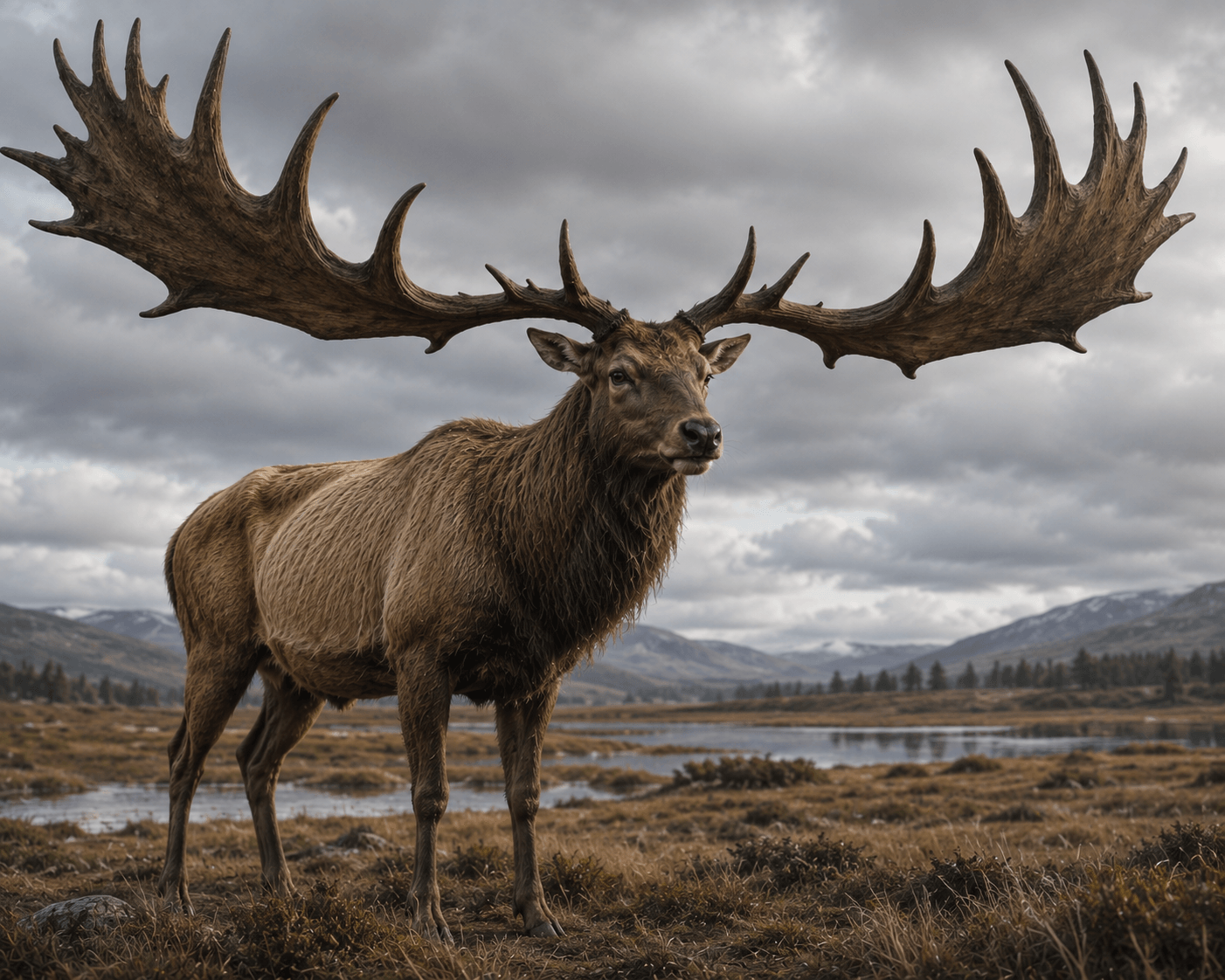
The Irish elk was a very large prehistoric deer known for its exceptionally broad antlers. Despite its common name, it was not exclusively Irish and was not a true elk in the modern sense; it ranged across parts of Eurasia and died out during environmental changes, becoming an iconic example of Ice Age megafauna.
Explore this story
The Irish elk is one of the most iconic examples of Ice Age megafauna. It was a very large prehistoric deer known for its exceptionally broad antlers.
Despite its common name, the Irish elk was not exclusively Irish and was not a true elk in the modern sense. It ranged across parts of Eurasia and died out during environmental changes, becoming a famous symbol of prehistoric extinction.
This is the story of the giant deer with enormous antlers.
- Ice Age (Pleistocene)A giant deer of Eurasia
The Irish elk lived across parts of Eurasia.
It was a very large deer with enormous antlers.
A distinctive Ice Age megafauna species.
Its antlers were exceptionally broad.
- Ice AgeAn iconic form
The Irish elk becomes an iconic megafauna form.
Its enormous antlers made it distinctive.
A well-known Ice Age animal.
Its antlers are among the largest known for a deer.
- End of the Ice AgeEnvironmental change
Environments change at the end of the Ice Age.
Climate and habitat shifts affected many megafauna.
Pressured large animals like the Irish elk.
Many Ice Age megafauna declined in this period.
- Late in its rangeDecline
The Irish elk declines.
Environmental changes reduced its populations.
Drove the species toward extinction.
It persisted later in some regions than others.
- Prehistoric timesExtinction
The Irish elk becomes extinct.
It died out during environmental changes.
A case of megafauna extinction.
It is known today from fossil remains.
- Later studyA famous fossil animal
The Irish elk becomes a famous fossil animal.
Its fossils, especially antlers, are widely studied and displayed.
An icon of Ice Age megafauna.
Its skeletons are featured in many museums.
A Giant Deer of Eurasia
During the Ice Age, the Irish elk lived across parts of Eurasia as a very large deer with enormous antlers. A distinctive Ice Age megafauna species, its antlers were exceptionally broad.
An Iconic Form
During the Ice Age, the Irish elk became an iconic megafauna form, with its enormous antlers making it distinctive. A well-known Ice Age animal, its antlers are among the largest known for a deer.
Environmental Change
At the end of the Ice Age, environments changed as climate and habitat shifts affected many megafauna. These changes pressured large animals like the Irish elk, and many Ice Age megafauna declined in this period.
Decline
Late in its range, the Irish elk declined as environmental changes reduced its populations, driving the species toward extinction. It persisted later in some regions than others.
Extinction
In prehistoric times, the Irish elk became extinct, dying out during environmental changes - a case of megafauna extinction. It is known today from fossil remains.
A Famous Fossil Animal
In later study, the Irish elk became a famous fossil animal, with its fossils, especially antlers, widely studied and displayed. An icon of Ice Age megafauna, its skeletons are featured in many museums.
- The Irish elk was a large prehistoric deer.
- It was known for enormous, broad antlers.
- It was not exclusively Irish despite its name.
- It was not a true elk in the modern sense.
- It ranged across parts of Eurasia.
- It lived during the Ice Age.
- It was a distinctive Ice Age megafauna species.
- Its antlers are among the largest known for a deer.
- The Irish elk was a large prehistoric deer.
- It was known for enormous, broad antlers.
- It was not exclusively Irish despite its name.
- It was not a true elk in the modern sense.
- It ranged across parts of Eurasia.
- It lived during the Ice Age.
- Its antlers are among the largest known for a deer.
- It became an iconic megafauna form.
The Irish elk lived only in Ireland.
It ranged across parts of Eurasia and was not exclusively Irish.
It was a true elk like modern elk.
It was not a true elk in the modern sense; it was a large deer.
It still survives today.
It became extinct in prehistoric times.
It went extinct due to a single sudden cause.
It died out during broader environmental changes.
Everything about it is fully known.
Some details of its biology remain uncertain.
Its antlers were small.
Its antlers are among the largest known for a deer.
No remains survive.
It is known from fossil remains.
It is unrelated to the Ice Age.
It is an icon of Ice Age megafauna.
It is unrelated to science.
It is widely studied in paleontology.
Its name accurately describes its range.
Its name can be misleading, as it was not exclusively Irish.
Note: To respect strict accuracy, verbatim quotations are omitted here because exact wording cannot be verified in this draft. The Irish elk's story is closely associated with themes of Ice Age megafauna, prehistoric deer, and extinction.
The Irish elk's legacy is being one of the most iconic examples of Ice Age megafauna. As a giant prehistoric deer famous for its enormous antlers, it is central to how people picture prehistoric extinction and is widely displayed in museums.
The Irish elk influences how people understand extinction and prehistoric life. Its striking antlers and its disappearance during environmental change make it a classic example of megafauna extinction.
- Did you know the Irish elk was a large prehistoric deer?
- Did you know it was known for enormous, broad antlers?
- Did you know it was not exclusively Irish despite its name?
- Did you know it was not a true elk in the modern sense?
- Did you know it ranged across parts of Eurasia?
- Did you know it lived during the Ice Age?
- Did you know its antlers are among the largest known for a deer?
- Did you know it became an iconic megafauna form?
Compared with modern deer, the Irish elk was far larger and had vastly bigger antlers. Compared with other Ice Age megafauna like the woolly mammoth, it is another iconic species that died out during environmental change.
- Science
- It is studied in paleontology and natural history.
- Technology
- Not directly applicable.
- Business
- Not directly applicable.
- Politics
- Not directly applicable.
- Culture
- It is an icon of prehistoric life.
- Education
- It is widely used to teach about Ice Age megafauna.
- Society
- It shaped popular images of prehistoric animals.
- Environment
- It is a key example in discussions of megafauna extinction.
- General books on extinction and paleontology.
- Books on Ice Age megafauna.
- Works on prehistoric mammals.
- Documentary topics on the Ice Age.
- Features on prehistoric megafauna.
- Programs on paleontology.
A giant deer of Eurasia (Ice Age); an iconic form (Ice Age); environmental change (end of the Ice Age); decline (late in its range); extinction (prehistoric times); a famous fossil animal (later study).
- Life as giant Ice Age megafauna.
- The evolution of its enormous antlers.
- Its status as an iconic form.
- Environmental change at the end of the Ice Age.
- Decline late in its range.
- Persistence in some regions longer than others.
- Extinction in prehistoric times.
- Later scientific study of its fossils.
- Becoming an icon of Ice Age megafauna.
- Its lasting role in museums and education.
The precise causes of the Irish elk's extinction - including the roles of climate and habitat change and other factors - are studied and discussed among researchers. This article presents these points neutrally and avoids stating uncertain specifics as fact.
Not applicable. As an extinct prehistoric species, the Irish elk did not receive awards, but it holds a prominent place in paleontology and the history of extinction.
The Irish elk is among the most recognized examples of Ice Age megafauna in the world, widely referenced in education and displayed in museums.
In 2026, the Irish elk remains an iconic example of Ice Age megafauna and megafauna extinction. Its striking antlers continue to make it a memorable subject in science and museums.
1. The Irish elk was a?
2. It was known for its?
3. Was it exclusively Irish?
Did You Know: The Irish elk's antlers are among the largest known for any deer. Imagine If: A giant deer with vast antlers roams Ice Age Eurasia until environments change - that's the Irish elk. Historic Moment: The extinction of the Irish elk during environmental change at the end of the Ice Age. On This Day: End of the Ice Age - environmental change reaches the Irish elk's world.
Short Summary: The Irish elk was a giant prehistoric deer famous for its enormous antlers, an icon of Ice Age megafauna that died out during environmental change.
Medium Summary: The Irish elk was a very large prehistoric deer known for its exceptionally broad antlers. Despite its name, it was not exclusively Irish and was not a true elk in the modern sense; it ranged across parts of Eurasia during the Ice Age and died out during environmental changes, becoming an iconic example of megafauna extinction.
Long Summary: During the Ice Age, the Irish elk lived across parts of Eurasia as a very large deer with enormous, broad antlers, a distinctive and iconic megafauna form whose antlers are among the largest known for a deer. Despite its name, it was not exclusively Irish and was not a true elk in the modern sense. At the end of the Ice Age, environments changed as climate and habitat shifts affected many megafauna, pressuring the Irish elk, which declined and persisted later in some regions than others before becoming extinct in prehistoric times. Known today from fossil remains, its fossils - especially its antlers - are widely studied and displayed, making it an icon of Ice Age megafauna. The precise causes of its extinction remain studied and discussed.
People searching for the Irish elk usually want to know what it was, how big its antlers were, where it lived, and why it went extinct.
- 1.Peer-reviewed paleontological research
- 2.Encyclopaedia Britannica (Irish elk / Megaloceros entry)
- 3.Reputable natural history museums
- 4.Major scientific institutions
Related timelines
The Ice Age giant adapted to extreme cold.
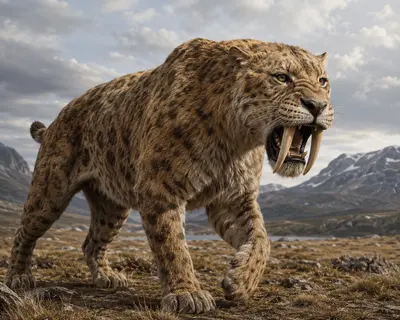
The prehistoric predator with elongated canine teeth.
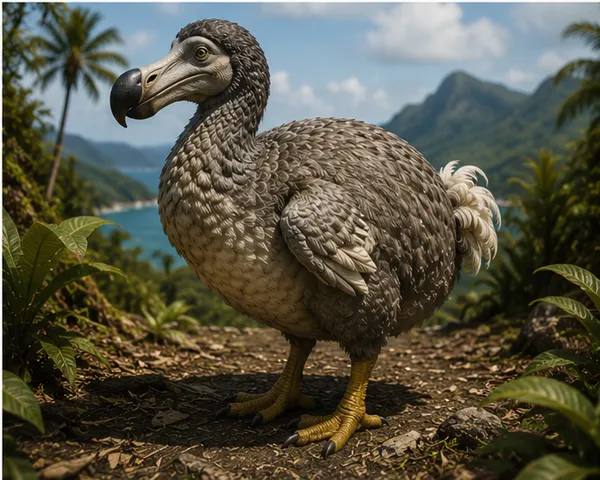
The flightless bird that became a symbol of extinction.
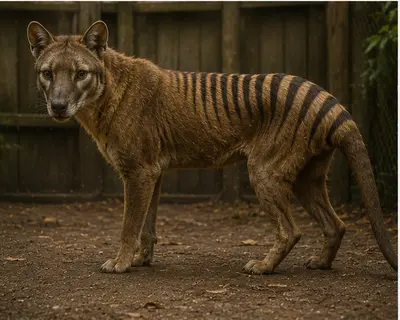
The largest carnivorous marsupial of modern times.
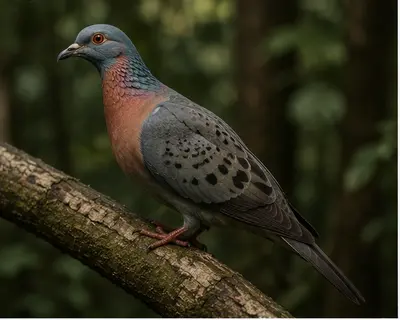
Once the most abundant bird in North America.
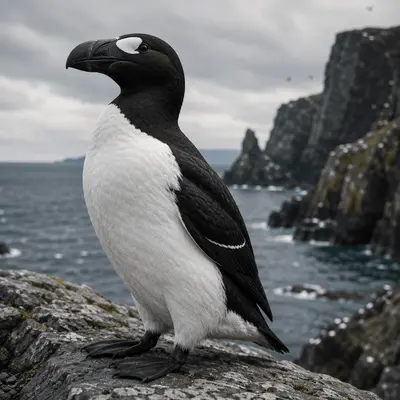
The flightless seabird of the North Atlantic.