The Javan Tiger
The tiger of the island of Java.
The Javan tiger was a tiger subspecies native to the Indonesian island of Java, lost in the 20th century as its forests were cleared.
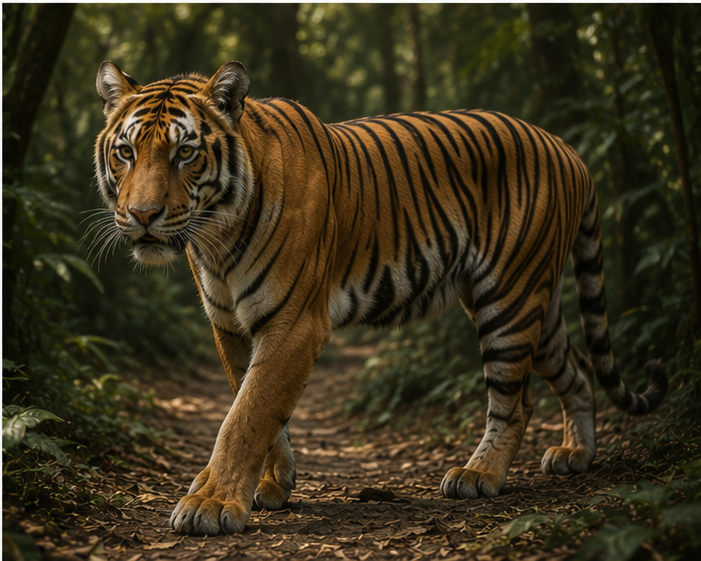
The Javan tiger was a tiger subspecies native to the Indonesian island of Java. A relatively small island tiger, it declined as its forest habitat was cleared and it was affected by hunting, and it became extinct in the 20th century, a symbol of island subspecies loss.
Explore this story
The Javan tiger is a notable example of a tiger subspecies lost in modern times. It was a tiger native to the Indonesian island of Java.
A relatively small island tiger, the Javan tiger declined as its forest habitat was cleared and it was affected by hunting, and it became extinct in the 20th century. Its story illustrates how habitat loss can eliminate even large predators.
This is the story of the tiger of the island of Java.
- HistoricallyA tiger of Java
The Javan tiger lived on the island of Java.
It was a tiger subspecies native to Java.
A distinctive island predator.
It was a relatively small island tiger.
- Early 20th centuryHabitat pressure
Java's forests come under pressure.
Forest was cleared as human activity expanded.
Reduced the tiger's habitat.
Java is a densely populated island.
- Mid-20th centuryDecline
The Javan tiger declines.
Habitat loss and hunting reduced its numbers.
Pushed the subspecies toward extinction.
Its range shrank significantly.
- 1970sVery few remain
Only very few Javan tigers remain.
The population fell to very low numbers.
Brought it near extinction.
Sightings became very rare.
- Around the late 1970s-1980sExtinction
The Javan tiger becomes extinct.
It is considered to have become extinct in the 20th century.
Marked the loss of the subspecies.
1979 is commonly cited for the last confirmed records.
- After extinctionA symbol of subspecies loss
The Javan tiger becomes a symbol of subspecies loss.
It became a widely cited conservation example.
Represents habitat-driven extinction.
It illustrates the impact of habitat clearing.
A Tiger of Java
Historically, the Javan tiger lived on the Indonesian island of Java as a tiger subspecies native to the island. A distinctive island predator, it was a relatively small island tiger.
Habitat Pressure
In the early 20th century, Java's forests came under pressure as forest was cleared and human activity expanded. Java is a densely populated island, and this reduced the tiger's habitat.
Decline
Through the mid-20th century, the Javan tiger declined as habitat loss and hunting reduced its numbers. Its range shrank significantly, pushing the subspecies toward extinction.
Very Few Remain
By the 1970s, only very few Javan tigers remained, as the population fell to very low numbers and sightings became very rare, bringing it near extinction.
Extinction
Around the late 1970s and 1980s, the Javan tiger became extinct, considered to have been lost in the 20th century. 1979 is commonly cited for the last confirmed records, marking the loss of the subspecies.
A Symbol of Subspecies Loss
After its extinction, the Javan tiger became a symbol of subspecies loss and a widely cited conservation example. It represents habitat-driven extinction and illustrates the impact of habitat clearing.
- The Javan tiger was a tiger subspecies.
- It was native to the island of Java.
- It was found in Indonesia.
- It was a relatively small island tiger.
- It was a distinctive island predator.
- Java's forests came under pressure in the early 20th century.
- Forest was cleared as human activity expanded.
- Java is a densely populated island.
- The Javan tiger was a tiger subspecies.
- It was native to the island of Java.
- It was a relatively small island tiger.
- Java's forests came under pressure in the early 20th century.
- Forest was cleared as human activity expanded.
- Java is a densely populated island.
- Habitat loss reduced the tiger's range.
- Hunting also affected it.
The Javan tiger lived across all of Asia.
It was native to the Indonesian island of Java.
It still survives today.
It is considered extinct, with last confirmed records commonly dated to around 1979.
It was a huge tiger.
It was a relatively small island tiger.
It went extinct naturally without human influence.
Habitat clearing and hunting drove its decline.
Everything about it is fully known.
Some details of its biology remain uncertain.
It was not a tiger.
It was a tiger subspecies.
Habitat loss played no role.
Habitat clearing was a major driver of its decline.
Its extinction is undocumented.
Its extinction is documented.
It is unrelated to conservation.
It became a widely cited conservation example.
Java was uninhabited.
Java is a densely populated island.
Note: To respect strict accuracy, verbatim quotations are omitted here because exact wording cannot be verified in this draft. The Javan tiger's story is closely associated with themes of habitat loss, island subspecies, and conservation.
The Javan tiger's legacy is being a clear example of a tiger subspecies lost to habitat clearing. As a small island tiger of Java lost in the 20th century, it is a notable case in conservation history.
The Javan tiger influences how people understand extinction and habitat conservation. Its loss is widely cited as an example of how habitat clearing can eliminate even large predators.
- Did you know the Javan tiger was a tiger subspecies?
- Did you know it was native to the island of Java?
- Did you know it was found in Indonesia?
- Did you know it was a relatively small island tiger?
- Did you know it was a distinctive island predator?
- Did you know Java's forests came under pressure in the early 20th century?
- Did you know forest was cleared as human activity expanded?
- Did you know Java is a densely populated island?
Compared with mainland tigers, the Javan tiger was a relatively small island tiger. Compared with other extinct tiger subspecies like the Caspian tiger, it is a striking example of habitat-driven island extinction.
- Science
- It is studied in conservation and natural history.
- Technology
- Not directly applicable.
- Business
- Land use and agriculture connect to its story.
- Politics
- It informs conservation and land-use discussions.
- Culture
- It is significant in Indonesia's natural heritage.
- Education
- It is widely used to teach about extinction.
- Society
- It shaped awareness of habitat loss.
- Environment
- It is a key example in conservation and biodiversity.
- General books on extinction and conservation.
- Books on tigers and big cats.
- Works on habitat loss and Indonesian wildlife.
- Documentary topics on extinction.
- Features on tigers and big cats.
- Programs on conservation.
A tiger of Java (historically); habitat pressure (early 20th century); decline (mid-20th century); very few remain (1970s); extinction (late 1970s-1980s, last records around 1979); a symbol of subspecies loss (after extinction).
- Life as a small island tiger of Java.
- Growing habitat pressure in the early 20th century.
- Forest clearing across Java.
- Decline through the mid-20th century.
- Significant range reduction.
- Reduction to very few individuals by the 1970s.
- Extinction in the 20th century (last records around 1979).
- Recognition of its extinction.
- Becoming a symbol of subspecies loss.
- Its lasting role in conservation awareness.
The exact timing of the Javan tiger's extinction and occasional unconfirmed reports are discussed among researchers. This article presents these points neutrally and avoids stating uncertain specifics as fact.
Not applicable. As an extinct species, the Javan tiger did not receive awards, but it holds a prominent place in the history of extinction and conservation.
The Javan tiger is a well-recognized example of tiger subspecies loss, widely referenced in education and conservation discussions.
In 2026, the Javan tiger remains an example of habitat-driven extinction. Its story continues to shape conservation awareness of tigers and island ecosystems.
1. The Javan tiger was a?
2. It lived on the island of?
3. It was found in?
Did You Know: The Javan tiger was a relatively small island tiger. Imagine If: A tiger roams the forests of a densely populated island until the forests are cleared - that's the Javan tiger. Historic Moment: The extinction of the Javan tiger in the 20th century. On This Day: Around 1979 - the last confirmed records of the Javan tiger.
Short Summary: The Javan tiger was a small island tiger of Java that became extinct in the 20th century as its forests were cleared.
Medium Summary: The Javan tiger was a tiger subspecies native to the Indonesian island of Java. A relatively small island tiger, it declined as its forest habitat was cleared and it was affected by hunting, becoming extinct in the 20th century (last confirmed records commonly dated to around 1979) and a symbol of subspecies loss.
Long Summary: Historically, the Javan tiger lived on the Indonesian island of Java as a relatively small island tiger and a distinctive island predator. In the early 20th century, Java's forests came under pressure as forest was cleared and human activity expanded on the densely populated island. Through the mid-20th century, the Javan tiger declined as habitat loss and hunting reduced its numbers and its range shrank significantly. By the 1970s only very few remained, and around the late 1970s and 1980s it became extinct, with 1979 commonly cited for the last confirmed records. After its extinction, the Javan tiger became a widely cited symbol of subspecies loss and habitat-driven extinction. The exact timing and occasional unconfirmed reports remain discussed.
People searching for the Javan tiger usually want to know what it was, where it lived, why it went extinct, and the significance of around 1979.
- 1.Peer-reviewed research on tiger subspecies
- 2.Encyclopaedia Britannica (Javan tiger entry)
- 3.Reputable conservation organizations (e.g., international conservation bodies)
- 4.Indonesian wildlife and conservation resources
Related timelines
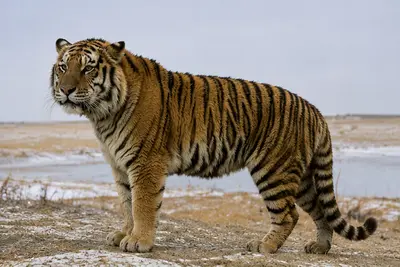
The tiger of Central Asia.
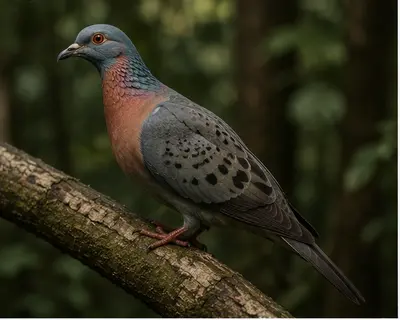
Once the most abundant bird in North America.
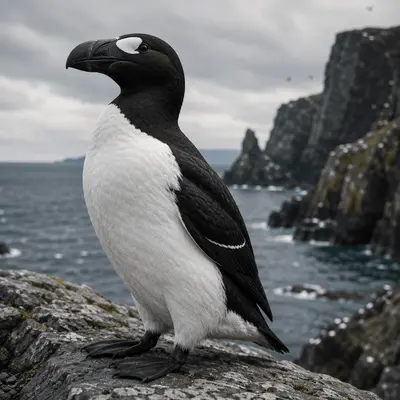
The flightless seabird of the North Atlantic.
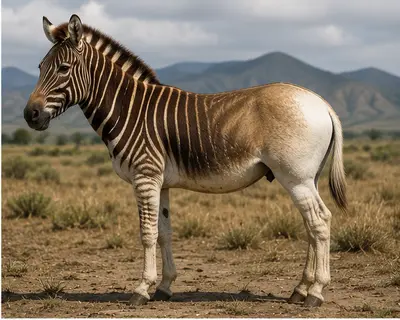
The partially striped zebra of South Africa.
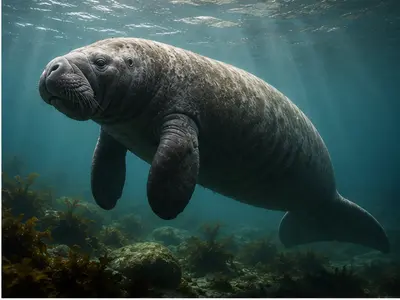
The giant marine mammal of the Bering Sea.
The mountain goat famously cloned after extinction.