The Moa
The giant flightless bird of New Zealand.
The moa were massive, wingless flightless birds of New Zealand, eradicated soon after the expansion of human settlement.
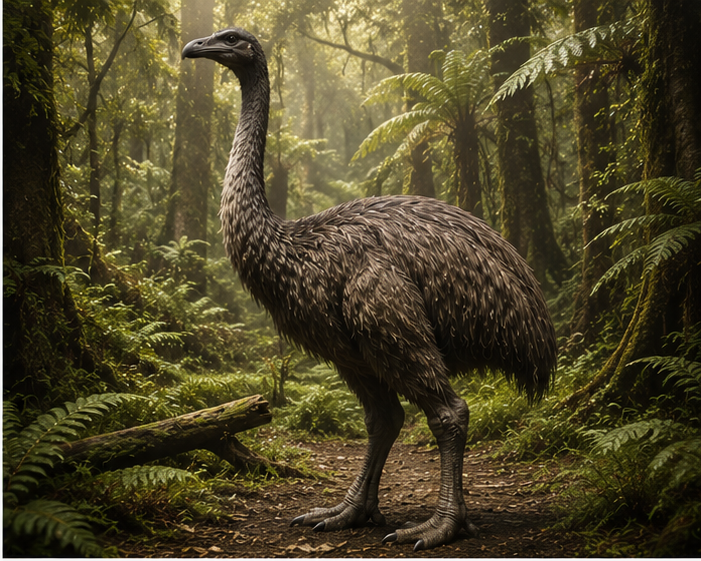
The moa were large, wingless flightless birds native to New Zealand. Following the expansion of Māori settlement, they were hunted and their habitats affected, and they were eradicated relatively soon afterward, becoming a striking example of island extinction.
Explore this story
The moa are among the most striking examples of island extinction. They were massive, wingless flightless birds native to New Zealand.
Following the expansion of Māori settlement, the moa were hunted and their habitats affected, and they were eradicated relatively soon afterward. Their story shows how island species with no defense against new pressures can disappear quickly.
This is the story of the giant flightless birds of New Zealand.
- Before human settlementGiant birds of New Zealand
The moa lived in New Zealand.
They were massive, wingless flightless birds.
Distinctive endemic island birds.
They were among the largest birds of their environment.
- Around the 13th-14th centuriesExpansion of settlement
Human settlement expands in New Zealand.
Māori settlement expanded across the islands.
Introduced new pressures on the moa.
The moa had evolved without human predators.
- After settlementHunting and habitat change
The moa face hunting and habitat change.
They were hunted and their habitats affected.
Major drivers of their decline.
Island birds were especially vulnerable.
- Within generationsRapid decline
The moa decline rapidly.
Their numbers fell quickly after settlement.
Pushed them toward extinction fast.
The decline was relatively rapid.
- Historical pastExtinction
The moa become extinct.
They were eradicated soon after settlement expanded.
A striking case of island extinction.
They are known today from remains.
- After extinctionA symbol of island extinction
The moa become a symbol of island extinction.
They became a widely cited conservation example.
Represent rapid island extinction.
They illustrate island species' vulnerability.
Giant Birds of New Zealand
Before human settlement, the moa lived in New Zealand as massive, wingless flightless birds. Distinctive endemic island birds, they were among the largest birds of their environment.
Expansion of Settlement
Around the 13th and 14th centuries, human settlement expanded in New Zealand as Māori settlement spread across the islands. This introduced new pressures on the moa, which had evolved without human predators.
Hunting and Habitat Change
After settlement, the moa faced hunting and habitat change, as they were hunted and their habitats affected. These became major drivers of their decline, and island birds were especially vulnerable.
Rapid Decline
Within generations, the moa declined rapidly as their numbers fell quickly after settlement. The decline was relatively rapid, pushing them toward extinction fast.
Extinction
In the historical past, the moa became extinct, eradicated soon after settlement expanded. A striking case of island extinction, they are known today from remains.
A Symbol of Island Extinction
After their extinction, the moa became a symbol of island extinction and a widely cited conservation example. They represent rapid island extinction and illustrate island species' vulnerability.
- The moa were massive, wingless flightless birds.
- They were native to New Zealand.
- They included very large species.
- They were among the largest birds of their environment.
- They were endemic to New Zealand.
- They evolved without human predators.
- Human settlement expanded around the 13th-14th centuries.
- Settlement introduced new pressures.
- The moa were massive, wingless flightless birds.
- They were native to New Zealand.
- They included very large species.
- They were endemic to New Zealand.
- They evolved without human predators.
- Settlement introduced new pressures.
- They faced hunting after settlement.
- They faced habitat change.
The moa could fly.
They were wingless, flightless birds.
The moa still survive today.
They are extinct, known today from remains.
The moa lived worldwide.
They were endemic to New Zealand.
They went extinct without human influence.
Hunting and habitat change after settlement drove their decline.
Everything about them is fully known.
Some details of their biology remain uncertain.
There was only one moa species.
Multiple moa species existed.
Their decline took millions of years.
Their decline was relatively rapid after settlement.
They had large wings.
They were wingless.
They are unrelated to conservation.
They became a widely cited conservation example.
No remains survive.
They are known today from remains.
Note: To respect strict accuracy, verbatim quotations are omitted here because exact wording cannot be verified in this draft. The moa's story is closely associated with themes of island extinction, flightless birds, and conservation.
The moa's legacy is being a powerful example of rapid island extinction. As massive flightless birds endemic to New Zealand that were eradicated relatively soon after human settlement expanded, they are central to understanding island species' vulnerability.
The moa influence how people understand extinction and island ecosystems. Their loss is widely cited as an example of how quickly island species can be lost when new pressures arrive.
- Did you know the moa were massive, wingless flightless birds?
- Did you know they were native to New Zealand?
- Did you know they included very large species?
- Did you know they were endemic to New Zealand?
- Did you know they evolved without human predators?
- Did you know human settlement expanded around the 13th-14th centuries?
- Did you know settlement introduced new pressures?
- Did you know they faced hunting after settlement?
Compared with flying birds, the moa were wingless and flightless. Compared with other extinct island birds like the elephant bird or dodo, the moa are a striking New Zealand example of rapid island extinction after human arrival.
- Science
- They are studied in natural history and extinction science.
- Technology
- Not directly applicable.
- Business
- Not directly applicable.
- Politics
- They inform conservation discussions.
- Culture
- They are significant in New Zealand's natural heritage.
- Education
- They are widely used to teach about island extinction.
- Society
- They shaped awareness of island species' vulnerability.
- Environment
- They are a key example in conservation and biodiversity.
- General books on extinction and conservation.
- Books on New Zealand wildlife and flightless birds.
- Works on island ecosystems.
- Documentary topics on extinction.
- Features on New Zealand wildlife.
- Programs on island species and conservation.
Giant birds of New Zealand (before settlement); expansion of settlement (around the 13th-14th centuries); hunting and habitat change (after settlement); rapid decline (within generations); extinction (historical past); a symbol of island extinction (after extinction).
- Life as giant endemic island birds.
- Evolution without human predators.
- The expansion of human settlement.
- The onset of hunting.
- Habitat change.
- Rapid decline within generations.
- Eradication soon after settlement.
- Recognition of their extinction.
- Becoming a symbol of island extinction.
- Their lasting role in conservation awareness.
The exact timing of the moa's extinction and the precise relative roles of hunting and habitat change are studied and discussed among researchers. This article presents these points neutrally and avoids stating uncertain specifics as fact.
Not applicable. As extinct species, the moa did not receive awards, but they hold a prominent place in the history of extinction and conservation.
The moa are among the most recognized extinct birds in the world, widely referenced in education and in New Zealand's natural heritage.
In 2026, the moa remain a powerful example of rapid island extinction. Their story continues to shape conservation awareness of island species' vulnerability.
1. The moa were?
2. They were native to?
3. Could they fly?
Did You Know: The moa evolved without human predators before settlement arrived. Imagine If: Giant wingless birds roam New Zealand until new pressures arrive - that's the moa. Historic Moment: The extinction of the moa soon after settlement expanded. On This Day: Around the 13th-14th centuries - human settlement expands in the moa's world.
Short Summary: The moa were giant wingless flightless birds of New Zealand, eradicated relatively soon after human settlement expanded.
Medium Summary: The moa were massive, wingless flightless birds endemic to New Zealand. Following the expansion of Māori settlement, they faced hunting and habitat change and were eradicated relatively soon afterward, becoming a striking example of rapid island extinction.
Long Summary: Before human settlement, the moa lived in New Zealand as massive, wingless flightless birds, distinctive endemic island birds that were among the largest of their environment and had evolved without human predators. Around the 13th and 14th centuries, human settlement expanded as Māori settlement spread across the islands, introducing new pressures. After settlement, the moa faced hunting and habitat change, major drivers of their decline, and island birds were especially vulnerable. Within generations they declined rapidly and were eradicated soon after settlement expanded, going extinct in the historical past. Known today from remains, the moa became a widely cited symbol of rapid island extinction and of island species' vulnerability. The exact timing and relative causes are studied and discussed.
People searching for the moa usually want to know what they were, how large they were, where they lived, and why they went extinct.
- 1.New Zealand museums and government conservation resources
- 2.Encyclopaedia Britannica (moa entry)
- 3.Peer-reviewed research on the moa
- 4.Reputable science and conservation organizations
Related timelines
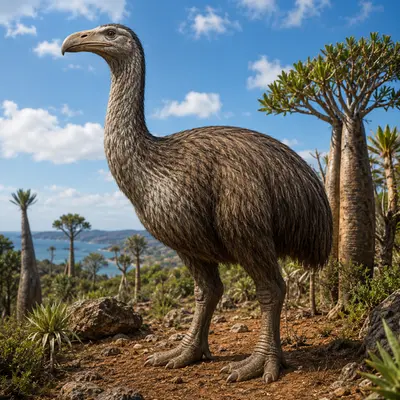
The giant flightless bird of Madagascar.
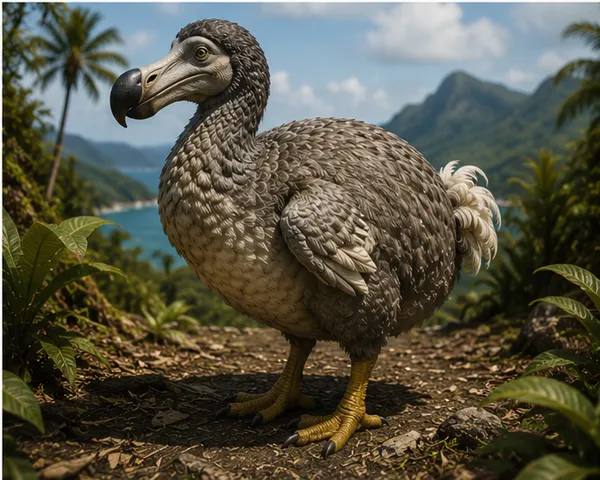
The flightless bird that became a symbol of extinction.
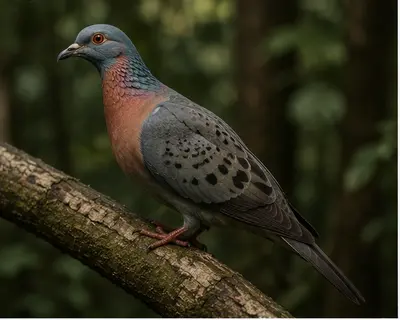
Once the most abundant bird in North America.
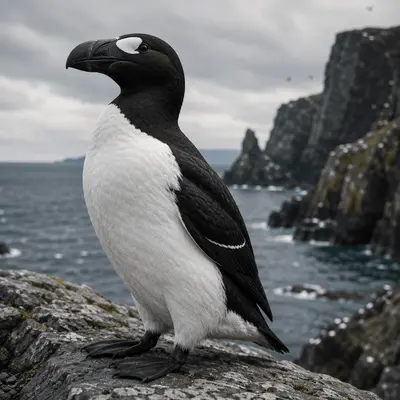
The flightless seabird of the North Atlantic.
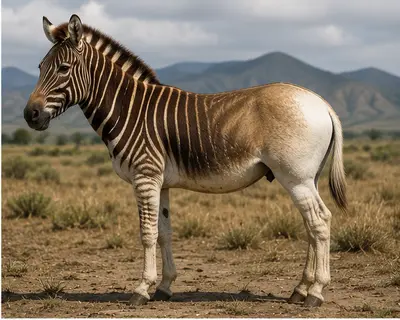
The partially striped zebra of South Africa.
The giant marine mammal of the Bering Sea.