The Pager
The pocket device that delivered quick messages before mobile phones.
The pager was a small wireless device that received short messages and alerts over radio waves, widely used for quick communication before mobile phones became common.
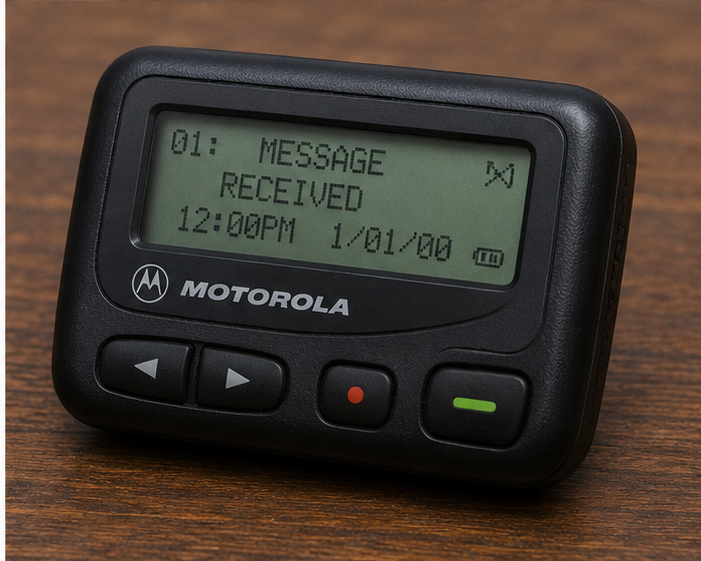
The pager was a small wireless communication device that received short text messages and numeric alerts over radio signals. Popular from the mid-20th century onward, it was widely used by professionals such as doctors and emergency workers who needed to be reachable quickly. As mobile phones spread, pagers declined, though they remained in some specialized settings. Major consumer pager services were reported to have wound down by around 2019.
Explore this story
The pager is a landmark example of a communication device that connected people before the mobile-phone era. It was a small wireless device that received short messages and alerts over radio waves.
Widely used by professionals who needed to be reachable quickly, the pager declined as mobile phones spread, though it remained in some specialized settings. Major consumer pager services were reported to have wound down by around 2019.
This is the story of the pocket device that delivered quick messages before mobile phones.
- Mid-20th centuryThe pager appears
Pagers come into use.
Pagers came into use in the mid-20th century as wireless alert devices.
Provided quick wireless messaging.
They let people be reached when away from a phone.
- Late 20th centuryWidespread professional use
Pagers become common among professionals.
Doctors, emergency workers, and others relied on pagers.
Made quick contact possible in critical work.
Reliability and coverage were key strengths.
- 1980s-1990sBroad popularity
Pagers become widely popular.
Pagers spread to many users for quick messaging.
A common personal communication tool.
They were often called beepers.
- 1990s-2000sMobile phones rise
Mobile phones become common.
Mobile phones offered calls and messaging in one device.
Began to replace pagers for most users.
Phones combined many functions pagers lacked.
- Around 2019Consumer services wind down
Major consumer pager services wind down.
Major consumer pager services were reported to have wound down by around 2019.
Marked the decline of consumer paging.
Some specialized users kept pagers longer.
- TodayA specialized and remembered device
Pagers survive in niches and memory.
Pagers remain in some specialized settings and are widely remembered.
Represents pre-mobile communication.
Some hospitals and services still value paging reliability.
The Pager Appears
In the mid-20th century, the pager came into use as a wireless alert device, providing quick wireless messaging. It let people be reached when away from a phone.
Widespread Professional Use
In the late 20th century, pagers became common among professionals, with doctors, emergency workers, and others relying on them. Making quick contact possible in critical work, reliability and coverage were key strengths.
Broad Popularity
Through the 1980s and 1990s, pagers became widely popular, spreading to many users for quick messaging. A common personal communication tool, they were often called beepers.
Mobile Phones Rise
Through the 1990s and 2000s, mobile phones became common, offering calls and messaging in one device. Combining many functions pagers lacked, phones began to replace pagers for most users.
Consumer Services Wind Down
Around 2019, major consumer pager services were reported to have wound down, marking the decline of consumer paging. Some specialized users, however, kept pagers longer.
A Specialized and Remembered Device
Today, pagers survive in niches and memory, remaining in some specialized settings and widely remembered. Representing pre-mobile communication, some hospitals and services still value paging reliability.
- The pager was a small wireless communication device.
- It received messages over radio waves.
- It was used for short text and numeric alerts.
- It was popular from the mid-20th century onward.
- It was widely used by doctors and emergency workers.
- It was valued for quick, reliable alerts.
- It helped people stay reachable.
- It was often called a beeper.
- The pager received messages over radio waves.
- It was used for short text and numeric alerts.
- It was popular from the mid-20th century onward.
- It was widely used by doctors and emergency workers.
- It was valued for quick, reliable alerts.
- It was often called a beeper.
- Reliability and coverage were key strengths.
- It let people be reached away from a phone.
Pagers could make phone calls.
Pagers received short messages and alerts, not calls.
Pagers are completely gone.
They remain in some specialized settings.
They had no real value.
They were valued for quick, reliable alerts.
They faded for no clear reason.
Mobile phones combined more functions in one device.
Everything about them is detailed here.
Some specifics are kept general.
Only consumers used them.
Professionals like doctors relied on them heavily.
They were unreliable.
Reliability and coverage were key strengths.
Hospitals never used them.
Hospitals used them, and some still do.
They had no lasting significance.
They shaped quick messaging before phones.
Consumer services still run widely.
Major consumer services wound down by around 2019.
Note: To respect strict accuracy, verbatim quotations are omitted here because exact wording cannot be verified in this draft. The pager's story is closely associated with themes of quick communication, reliability, and the era before mobile phones.
The pager's legacy is being a key quick-communication device before mobile phones. Though largely replaced for consumers, it remains valued in some specialized settings for its reliability and is remembered as a symbol of pre-mobile messaging.
The pager influences how people understand the history of personal communication. Its use and decline illustrate the shift from single-purpose alert devices to multifunction mobile phones.
- Did you know the pager received messages over radio waves?
- Did you know it was also called a beeper?
- Did you know it appeared in the mid-20th century?
- Did you know doctors and emergency workers relied on it?
- Did you know it was valued for quick, reliable alerts?
- Did you know it received short text and numeric messages?
- Did you know it helped people stay reachable?
- Did you know it was widely popular in the 1980s and 1990s?
Compared with mobile phones, the pager was a simpler device focused on receiving quick alerts rather than full two-way calls and messaging. Compared with other discontinued technologies, it stands out for surviving in specialized settings due to its reliability.
- Science
- Not directly applicable.
- Technology
- It advanced wireless personal messaging.
- Business
- It supported industries needing quick contact.
- Politics
- Not directly applicable.
- Culture
- It was a recognizable part of late-20th-century life.
- Education
- It is used to teach about communication history.
- Society
- It helped people stay reachable before phones.
- Environment
- Not directly applicable.
- General books on communication technology.
- Books on wireless and telecommunications history.
- Works on everyday technology of the late 20th century.
- Documentary topics on communication history.
- Features on wireless technology.
- Programs on the rise of mobile phones.
The pager appears (mid-20th century); widespread professional use (late 20th century); broad popularity (1980s-1990s); mobile phones rise (1990s-2000s); consumer services wind down (around 2019); a specialized and remembered device (today).
- The appearance of the pager in the mid-20th century.
- Its adoption by professionals.
- Its broad popularity in the 1980s and 1990s.
- The rise of mobile phones.
- Phones replacing pagers for most users.
- The winding down of consumer services around 2019.
- Continued use in specialized settings.
- Ongoing value of paging reliability in some fields.
- Its place in communication history.
- Its status as a symbol of pre-mobile messaging.
The exact dates and details of pager history and the winding down of services are discussed among observers and vary by country and provider. This article presents these points neutrally and avoids stating uncertain specifics as fact.
Not applicable. As a communication device, the pager did not receive awards, but it holds a notable place in communication history.
The pager was very popular in its era, especially among professionals, and remains widely recognized and fondly remembered as a symbol of communication before mobile phones.
In 2026, the pager remains a reminder of how people stayed connected before mobile phones, and its continued use in some specialized settings shows the lasting value of simple, reliable technology.
1. A pager received messages over?
2. A pager is also called a?
3. Pagers appeared in the?
Did You Know: Pagers were prized because they were reliable and had strong coverage. Imagine If: Before mobile phones, a small device buzzes to tell you to call back - that was the pager. Historic Moment: The reported winding down of major consumer pager services around 2019. On This Day: Around 2019 - major consumer pager services are reported to wind down.
Short Summary: The pager was a wireless device that delivered quick alerts before mobile phones; consumer services wound down by around 2019, though it survives in some specialized settings.
Medium Summary: The pager was a small wireless communication device that received short text messages and numeric alerts over radio signals. Popular from the mid-20th century onward, it was widely used by professionals such as doctors and emergency workers who needed to be reachable quickly. As mobile phones spread, pagers declined, though they remained in some specialized settings, and major consumer services were reported to have wound down by around 2019.
Long Summary: In the mid-20th century, the pager came into use as a wireless alert device, letting people be reached away from a phone. In the late 20th century it became common among professionals such as doctors and emergency workers, valued for quick, reliable alerts, and through the 1980s and 1990s it became widely popular and was often called a beeper. Through the 1990s and 2000s, mobile phones offered calls and messaging in one device and began to replace pagers for most users, and around 2019 major consumer pager services were reported to have wound down, though some specialized users kept pagers longer. Today pagers survive in some specialized settings, such as certain hospitals that value paging reliability, and are widely remembered as a symbol of pre-mobile communication. Some specifics are kept general.
People searching for the pager usually want to know what it was, who used it, why it declined, and whether it is still used.
- 1.Reputable telecommunications history references
- 2.Official statements from paging service providers
- 3.Encyclopaedia Britannica or comparable references
- 4.Peer-reviewed communication technology sources
Related timelines
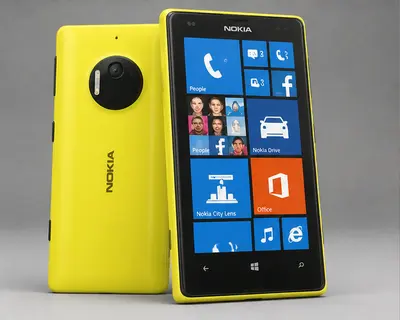
The Windows Phone smartphones that faded away.

The portable data disk that became the "Save" icon.
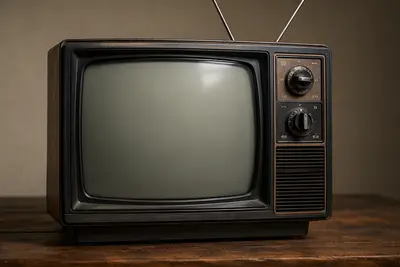
The picture-tube television that defined home viewing for generations.
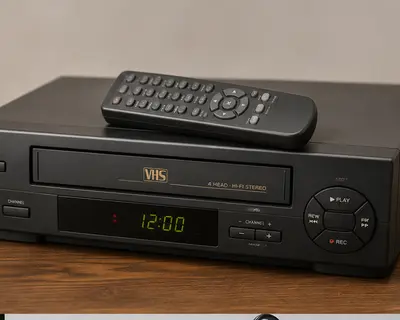
The tape machine that brought movies and recording into the home.
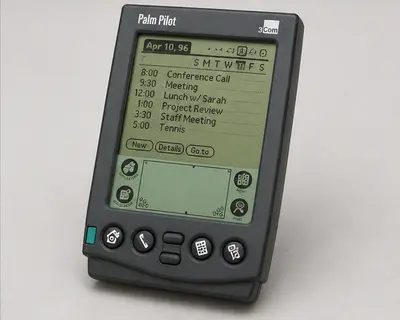
The pocket organizer that pioneered the handheld digital assistant.
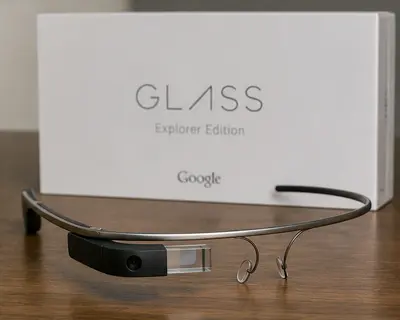
The early smart glasses that put a tiny display before your eye.