The Floppy Disk
The portable data disk that became the "Save" icon.
The floppy disk was a flexible magnetic storage medium that became the standard way to store and move small amounts of computer data for decades.

The floppy disk was a removable magnetic data-storage medium that emerged in the early 1970s and became a standard for storing and transferring computer files. Widely used through the personal-computer era, it was gradually replaced by CDs, USB flash drives, and networks, and manufacturing wound down over time. Its image endures as the familiar "Save" icon in software.
Explore this story
The floppy disk is a landmark example of a technology that shaped computing and then faded. It was a flexible magnetic data-storage medium used to store and move computer files.
Emerging in the early 1970s and widely used through the personal-computer era, the floppy disk was gradually replaced by CDs, USB flash drives, and networks. Its image endures as the familiar "Save" icon in software.
This is the story of the portable data disk that became the "Save" icon.
- Early 1970sThe floppy disk emerges
The floppy disk is introduced.
It emerged in the early 1970s as a removable magnetic storage medium.
Provided portable data storage.
It made moving computer data easy for its time.
- 1970s-1980sA computing standard
The floppy disk becomes standard.
It became widely used for storing and transferring files.
Central to early personal computing.
Software was often distributed on floppy disks.
- 1980s-1990sDifferent sizes and wide use
Floppy disks are used everywhere in computing.
Different sizes were used as personal computers spread.
Made data portable for millions of users.
Its image was adopted as the "Save" icon.
- 1990s-2000sNew storage arrives
CDs and USB drives emerge.
CDs, USB flash drives, and networks offered greater capacity.
Began to replace floppy disks.
New media held far more data than floppies.
- Around 2011Manufacturing winds down
Floppy disk production winds down.
Major manufacturing of floppy disks wound down over time, with 2011 commonly cited.
Marked the decline of the medium.
Some legacy systems used floppies even later.
- TodayA lasting icon
The floppy disk endures as an icon.
Its image remains the "Save" icon in much software.
Represents early data storage.
Many people know the icon without ever using a floppy.
The Floppy Disk Emerges
In the early 1970s, the floppy disk emerged as a removable magnetic storage medium, providing portable data storage. It made moving computer data easy for its time.
A Computing Standard
Through the 1970s and 1980s, the floppy disk became standard, widely used for storing and transferring files. Central to early personal computing, software was often distributed on floppy disks.
Different Sizes and Wide Use
Through the 1980s and 1990s, floppy disks were used everywhere in computing, with different sizes as personal computers spread. Making data portable for millions of users, its image was adopted as the "Save" icon.
New Storage Arrives
Through the 1990s and 2000s, CDs and USB drives emerged, and along with networks they offered greater capacity. Holding far more data than floppies, these new media began to replace floppy disks.
Manufacturing Winds Down
Around 2011, floppy disk production wound down, with major manufacturing ending over time. This marked the decline of the medium, though some legacy systems used floppies even later.
A Lasting Icon
Today, the floppy disk endures as an icon, its image remaining the "Save" icon in much software. Representing early data storage, many people know the icon without ever having used a floppy.
- The floppy disk was a removable magnetic storage medium.
- It emerged in the early 1970s.
- It stored and transferred computer files.
- It became a standard in the personal-computer era.
- It came in different sizes over time.
- It had limited capacity by modern standards.
- Software was often distributed on floppy disks.
- It made data portable for millions of users.
- The floppy disk emerged in the early 1970s.
- It was a removable magnetic storage medium.
- It stored and transferred computer files.
- It became a standard in the personal-computer era.
- It came in different sizes over time.
- Software was often distributed on floppy disks.
- It made data portable for millions of users.
- Its image was adopted as the "Save" icon.
The floppy disk held large amounts of data.
It had limited capacity by modern standards.
Floppy disks are still widely manufactured.
Major manufacturing wound down over time, with 2011 commonly cited.
It had no lasting influence.
Its image endures as the "Save" icon.
It faded for no clear reason.
CDs, USB drives, and networks offered far greater capacity.
Everything about it is detailed here.
Some specifics are kept general.
It came in only one size.
It came in different sizes over time.
It was unimportant to early computing.
It was central to early personal computing.
Software was never distributed on it.
Software was often distributed on floppy disks.
The "Save" icon is unrelated to it.
The "Save" icon is based on the floppy disk.
No one used floppies after the 2000s.
Some legacy systems used them even later.
Note: To respect strict accuracy, verbatim quotations are omitted here because exact wording cannot be verified in this draft. The floppy disk's story is closely associated with themes of early computing, data storage, and the enduring "Save" icon.
The floppy disk's legacy is being a foundational data-storage medium of the personal-computer era. Though replaced by higher-capacity media, its image endures as the familiar "Save" icon, keeping it present in software long after its practical use faded.
The floppy disk influences how people understand the history of data storage. Its rise and decline illustrate how storage technology advances, while its lasting "Save" icon shows how a technology's image can outlive the technology itself.
- Did you know the floppy disk emerged in the early 1970s?
- Did you know it was a removable magnetic storage medium?
- Did you know it stored and transferred computer files?
- Did you know it became a standard in the personal-computer era?
- Did you know it came in different sizes over time?
- Did you know it had limited capacity by modern standards?
- Did you know software was often distributed on floppy disks?
- Did you know it made data portable for millions of users?
Compared with USB flash drives, the floppy disk held far less data and was physically larger relative to capacity. Compared with other discontinued technologies, it is unique in how strongly its image survives as the "Save" icon.
- Science
- It supported early computing and data work.
- Technology
- It advanced portable data storage.
- Business
- It was central to software distribution.
- Politics
- Not directly applicable.
- Culture
- Its image became a universal icon.
- Education
- It is used to teach about computing history.
- Society
- It made data portable for everyday users.
- Environment
- Not directly applicable.
- General books on computing history.
- Books on data storage technology.
- Works on the personal-computer era.
- Documentary topics on computing history.
- Features on data storage.
- Programs on the personal-computer revolution.
The floppy disk emerges (early 1970s); a computing standard (1970s-1980s); different sizes and wide use (1980s-1990s); new storage arrives (1990s-2000s); manufacturing winds down (around 2011); a lasting icon (today).
- The emergence of the floppy disk in the early 1970s.
- Its rise as a computing standard.
- Software distribution on floppies.
- Adoption of its image as the "Save" icon.
- The arrival of CDs and USB drives.
- New media replacing floppies.
- The winding down of manufacturing around 2011.
- Continued use in some legacy systems.
- The endurance of the "Save" icon.
- Its lasting role in computing history.
The exact dates and details of the floppy disk's development and decline are discussed among observers, given its many formats and makers. This article presents these points neutrally and avoids stating uncertain specifics as fact.
Not applicable. As a storage technology, the floppy disk did not receive awards, but it holds a landmark place in computing history.
The floppy disk was ubiquitous in its era and remains widely recognized, especially through the enduring "Save" icon, and is frequently referenced in computing history.
In 2026, the floppy disk remains a symbol of early computing and a reminder of how quickly storage technology advances. Its "Save" icon keeps it present in everyday software.
1. The floppy disk was a?
2. It emerged in the?
3. It stored data using?
Did You Know: The "Save" icon in much software is a picture of a floppy disk. Imagine If: The everyday way to carry your files is a flexible disk you slot into your computer - that was the floppy disk. Historic Moment: The winding down of floppy disk manufacturing around 2011. On This Day: Around 2011 - major floppy disk manufacturing winds down.
Short Summary: The floppy disk was a magnetic storage medium of the PC era, replaced by CDs and USB drives; its image endures as the "Save" icon.
Medium Summary: The floppy disk was a removable magnetic data-storage medium that emerged in the early 1970s and became a standard for storing and transferring computer files. Widely used through the personal-computer era, it was gradually replaced by CDs, USB flash drives, and networks, and manufacturing wound down over time (2011 commonly cited). Its image endures as the familiar "Save" icon in software.
Long Summary: In the early 1970s, the floppy disk emerged as a removable magnetic storage medium that made moving computer data easy for its time. Through the 1970s and 1980s it became a computing standard, widely used for storing and transferring files, and software was often distributed on it. Through the 1980s and 1990s it was used everywhere in different sizes as personal computers spread, and its image was adopted as the "Save" icon. Through the 1990s and 2000s, CDs, USB flash drives, and networks offered far greater capacity and began to replace floppies, and around 2011 major manufacturing wound down, though some legacy systems used floppies even later. Today the floppy disk endures as an icon, its image remaining the "Save" icon in much software, and it is remembered as a landmark in computing history. Some specifics are kept general.
People searching for the floppy disk usually want to know what it was, how it was used, what replaced it, and why it is the "Save" icon.
- 1.Reputable computing history references
- 2.Museums of computing and technology
- 3.Encyclopaedia Britannica or comparable references
- 4.Peer-reviewed technology history sources
Related timelines
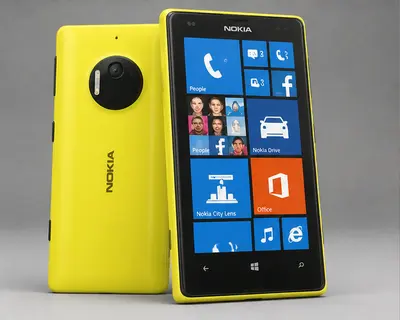
The Windows Phone smartphones that faded away.
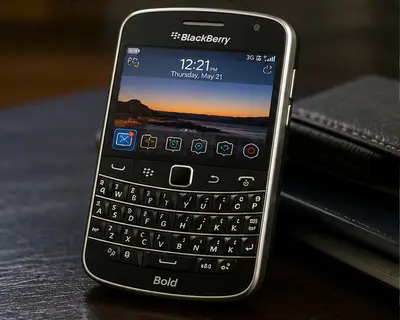
The executive keyboard phone of an era.
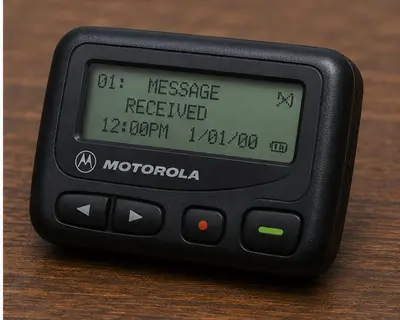
The pocket device that delivered quick messages before mobile phones.

The picture-tube television that defined home viewing for generations.
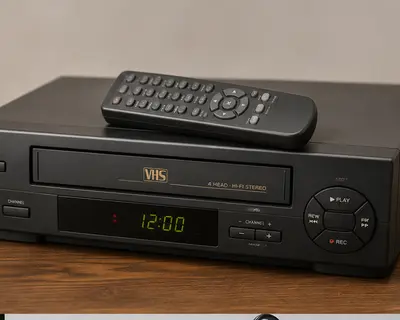
The tape machine that brought movies and recording into the home.
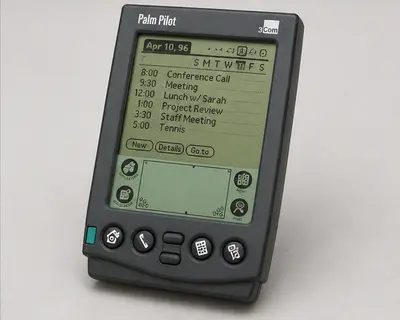
The pocket organizer that pioneered the handheld digital assistant.