TikTok (ByteDance)
The short-video app that reshaped global entertainment.
With an endless feed of short videos chosen by an algorithm, one app became one of the most downloaded in the world and changed how a generation creates and consumes entertainment.
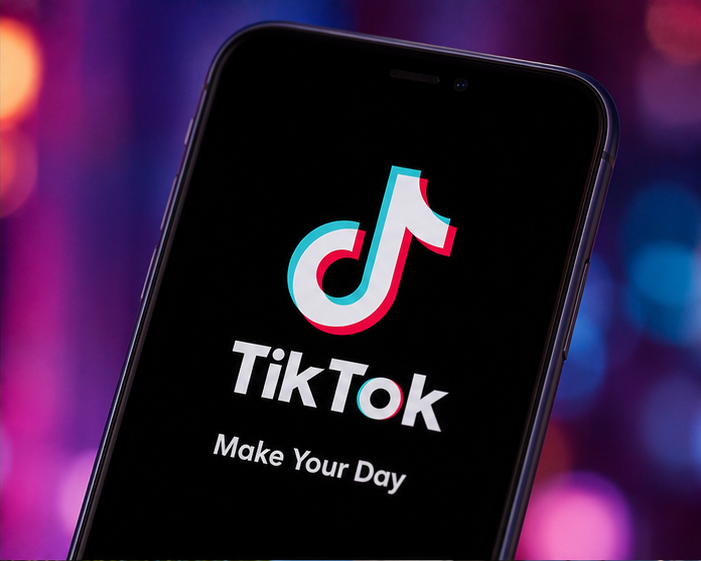
TikTok, operated by the technology company ByteDance, is a short-form video platform that became a global cultural phenomenon in the late 2010s and 2020s. Known for its recommendation algorithm and creative tools, it reshaped social media and entertainment - while also drawing scrutiny from governments over data and ownership.
Explore this story
Social media had long been about text, photos, and status updates. Then a new kind of app put short, endlessly scrolling videos at the center - each one chosen by an algorithm designed to keep you watching.
TikTok, operated by ByteDance, turned ordinary users into creators and made short-form video one of the defining formats of modern entertainment. It became a global phenomenon and reshaped how people make, share, and discover content.
This is the story of an app that changed online entertainment.
- 2012ByteDance is founded
ByteDance, the company behind TikTok, is founded.
It became a major technology company based in China.
Created the company that would launch TikTok.
ByteDance built several apps powered by algorithms.
- 2016Short-video platform emerges
ByteDance's short-video platform launches.
A Chinese app (Douyin) and the international TikTok emerged.
Began the rise of the short-video phenomenon.
TikTok is the international counterpart to Douyin.
- Late 2010sGlobal growth
TikTok grows rapidly around the world.
It became one of the most downloaded apps globally.
Made short-form video a dominant format.
Its algorithm became central to its appeal.
- Late 2010s-2020sCultural phenomenon
TikTok becomes a major cultural and entertainment force.
It influenced music, trends, and online culture.
Reshaped social media and entertainment.
Viral trends and challenges spread globally.
- 2020sGovernment scrutiny
TikTok draws scrutiny from governments.
Concerns focused on data, privacy, and ownership.
Became a subject of international policy debate.
Its ownership became a high-profile issue in several countries.
- 2020sA global entertainment platform
TikTok operates as a leading global entertainment app.
It remains hugely popular worldwide.
Cemented its role in modern entertainment.
It helped define the short-video era.
The Company Behind the App
TikTok is operated by ByteDance, a technology company founded in 2012 and based in China. ByteDance built several apps powered by recommendation algorithms, laying the groundwork for a short-video platform.
A New Format Emerges
Around 2016, ByteDance's short-video platform emerged, with a Chinese app called Douyin and an international counterpart, TikTok. The format - short, vertical, endlessly scrolling videos - was new and highly engaging.
Explosive Global Growth
In the late 2010s, TikTok grew rapidly around the world, becoming one of the most downloaded apps globally. Its recommendation algorithm, which learns what viewers like and keeps serving similar content, became central to its appeal.
A Cultural Phenomenon
Into the late 2010s and 2020s, TikTok became a major cultural and entertainment force, influencing music, trends, and online culture. Viral trends and challenges spread globally, and ordinary users could reach huge audiences.
Scrutiny and Debate
In the 2020s, TikTok drew scrutiny from governments over data, privacy, and ownership, becoming a subject of international policy debate. Its ownership became a high-profile issue in several countries.
A Defining App
Into the 2020s, TikTok operates as a leading global entertainment app that remains hugely popular worldwide and helped define the short-video era.
- TikTok is operated by ByteDance.
- ByteDance was founded in 2012.
- ByteDance is based in China.
- TikTok became prominent from around 2016.
- It is known for short-form video.
- Its algorithm is central to its appeal.
- It became one of the most downloaded apps.
- Douyin is its related Chinese app.
- TikTok is operated by ByteDance.
- ByteDance was founded in 2012.
- ByteDance is based in China.
- TikTok became prominent from around 2016.
- Douyin is its related Chinese app.
- TikTok is the international counterpart.
- Its algorithm is central to its appeal.
- It became one of the most downloaded apps.
TikTok and ByteDance are unrelated.
TikTok is operated by ByteDance.
TikTok invented all social media.
It popularized short-form video within existing social media.
TikTok has no connection to Douyin.
TikTok is the international counterpart to the Chinese app Douyin.
TikTok's success is random.
Its recommendation algorithm is central to its appeal.
TikTok is only for one country.
It is available in many countries worldwide.
Only celebrities go viral on TikTok.
Ordinary users can reach huge audiences.
TikTok has faced no scrutiny.
It has drawn government scrutiny over data and ownership.
TikTok is only about dancing.
It hosts a wide range of content types.
ByteDance only makes TikTok.
ByteDance built several apps.
TikTok had little cultural impact.
It significantly influenced music, trends, and culture.
Note: To respect strict accuracy, verbatim quotations are omitted here because exact wording cannot be verified in this draft. TikTok's story is closely associated with themes of short-form video, algorithmic discovery, and global online culture.
TikTok's legacy is making short-form video a dominant format in online entertainment. By combining an engaging format with a powerful recommendation algorithm, it reshaped social media, influenced global culture, and changed how a generation creates and consumes content.
TikTok influenced social media, music, and entertainment broadly. Its short-video format and algorithm-driven feed were widely imitated by other platforms, and it became a powerful force in shaping trends, music discovery, and online culture.
- Did you know TikTok is operated by ByteDance?
- Did you know ByteDance was founded in 2012?
- Did you know ByteDance is based in China?
- Did you know TikTok became prominent around 2016?
- Did you know it is known for short-form video?
- Did you know its algorithm is central to its appeal?
- Did you know it became one of the most downloaded apps?
- Did you know Douyin is its related Chinese app?
Compared with earlier social media focused on text and photos, TikTok centered on short, algorithm-driven video. Compared with platforms like YouTube, TikTok emphasized very short, vertical videos and a feed that surfaces content from creators a viewer may not follow, driven heavily by its recommendation system.
- Science
- Not a primary focus of its work.
- Technology
- It advanced algorithm-driven short-video feeds.
- Business
- It reshaped digital advertising and creator economies.
- Politics
- It became a subject of international policy debate.
- Culture
- It strongly influenced music, trends, and online culture.
- Education
- Its model is widely studied in media and business.
- Society
- It changed how a generation creates and consumes content.
- Environment
- Not a primary focus of its work.
- General books on social media and short-form video.
- Books on technology companies and algorithms.
- Works on online culture and the creator economy.
- Documentary topics on social media and its effects.
- Features on the short-video phenomenon.
- Programs on technology and online culture.
ByteDance founded (2012); short-video platform emerges with Douyin and TikTok (2016); rapid global growth (late 2010s); cultural phenomenon (late 2010s-2020s); government scrutiny over data and ownership (2020s); leading global entertainment app (2020s).
- ByteDance's founding (2012).
- The short-video platform's emergence (2016).
- Rapid global growth.
- The power of the recommendation algorithm.
- Becoming a cultural phenomenon.
- Influencing music and trends.
- Turning users into creators.
- Facing government scrutiny.
- Ownership becoming a policy issue.
- Defining the short-video era.
TikTok has been the subject of significant debate over data privacy, security, content moderation, and its ownership, with several governments raising concerns. This article notes these areas neutrally and omits disputed or unverified specifics; the situation varies by country and continues to evolve, and different viewpoints exist.
Note: To avoid citing unverified specifics, this section notes general recognition. TikTok is widely recognized as one of the most influential apps of its era.
TikTok is hugely popular worldwide, especially among younger users, and is recognized globally as a leading short-video and entertainment platform.
In 2026, TikTok remains a leading global entertainment app and a powerful force in online culture. Its format and algorithm continue to shape social media, and debates over data and ownership remain highly relevant.
1. Who operates TikTok?
2. When was ByteDance founded?
3. TikTok became prominent around?
Did You Know: TikTok is the international counterpart to the Chinese app Douyin. Imagine If: An algorithm learns your taste and never runs out of videos - that's TikTok's core. Historic Moment: The late-2010s surge that made TikTok a global phenomenon. On This Day: 2012 - ByteDance, the company behind TikTok, is founded.
Short Summary: TikTok, operated by ByteDance, is the short-video app that reshaped social media and entertainment.
Medium Summary: Operated by ByteDance (founded 2012), TikTok became globally prominent from around 2016, known for short-form video and a powerful recommendation algorithm. It became one of the most downloaded apps, a major cultural force influencing music and trends, and drew government scrutiny over data and ownership.
Long Summary: TikTok is operated by ByteDance, a technology company founded in 2012 and based in China. Around 2016, ByteDance's short-video platform emerged, with a Chinese app called Douyin and its international counterpart, TikTok. Built around short, vertical, endlessly scrolling videos and a powerful recommendation algorithm, TikTok grew rapidly in the late 2010s to become one of the most downloaded apps in the world. It became a major cultural and entertainment phenomenon into the 2020s, influencing music, trends, and online culture and turning ordinary users into creators. In the 2020s it also drew scrutiny from governments over data, privacy, and ownership, becoming a subject of international policy debate, while remaining a leading global entertainment app that helped define the short-video era.
People searching for TikTok usually want to know who owns it (ByteDance), how its algorithm works, its relationship to Douyin, its cultural impact, and the debates over data and ownership.
- 1.Official TikTok and ByteDance corporate/newsroom pages
- 2.Encyclopaedia Britannica (company/app entry)
- 3.Official government statements for regulatory matters
- 4.Reputable major news organizations for recent events
Related timelines
The platform that let the world broadcast itself.

The platform that helped make music streaming mainstream.

The company behind Snapchat and camera-based social media.
The social-media giant behind Facebook, Instagram, and WhatsApp.

The e-commerce platform empowering online merchants.
A pioneer of cloud file storage and syncing.