YouTube LLC
The platform that let the world broadcast itself.
With a simple slogan - "Broadcast Yourself" - one website gave everyone the power to share video with the world, and changed media forever.
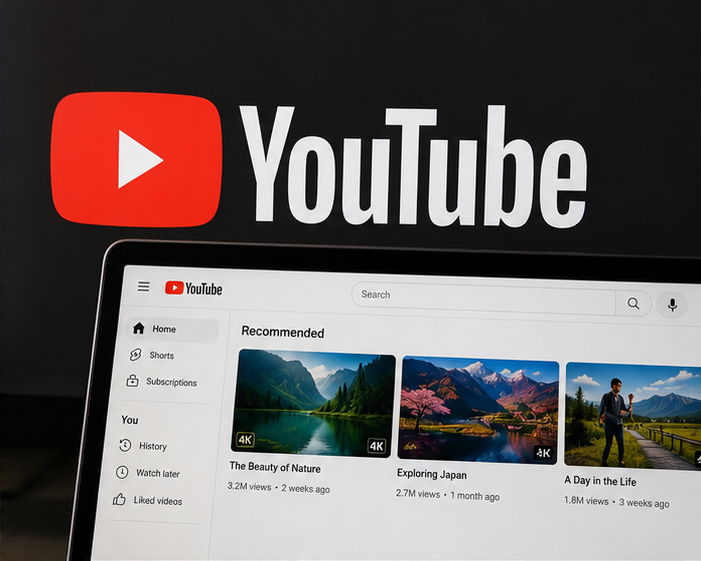
YouTube, founded in 2005 and later acquired by Google, is the world's leading online video-sharing platform. It transformed how people watch, create, and share video, launched new kinds of creators and careers, and became one of the most visited websites in the world.
Explore this story
Before YouTube, sharing a video with a global audience was difficult. Broadcasting was the domain of television networks and studios.
YouTube changed that. It gave anyone with a camera and an internet connection a place to upload and share video with the world - and to find an audience. In the process, it created new stars, new industries, and a new way of watching.
This is the story of the platform that let the world broadcast itself.
- 2005YouTube is founded
YouTube is founded in California.
Co-founders included Chad Hurley, Steve Chen, and Jawed Karim.
Began the world's leading video-sharing platform.
Its early slogan was "Broadcast Yourself."
- 2005First video and launch
YouTube launches as a video-sharing site.
Users could upload and watch videos online.
Opened video sharing to everyone.
The platform grew quickly after launch.
- 2006Google acquires YouTube
Google acquires YouTube.
YouTube became part of Google.
Fueled YouTube's massive growth.
It became one of Google's most important properties.
- Late 2000s-2010sThe creator era
YouTube becomes home to a huge creator community.
Creators built audiences and, in some cases, careers.
Launched new kinds of online stardom.
"YouTuber" became a recognized profession.
- 2010sNew formats and features
YouTube expands into live streaming and more.
It added features and supported many content types.
Broadened its role in media.
Music, education, and gaming became huge categories.
- 2010s-2020sA global media platform
YouTube becomes one of the most visited sites in the world.
It serves billions of viewers across many countries.
Cemented its role as a central media platform.
It is available in many languages worldwide.
A New Kind of Website
YouTube was founded in 2005 in California, with co-founders including Chad Hurley, Steve Chen, and Jawed Karim. Its early slogan, "Broadcast Yourself," captured a radical idea: anyone could upload and share video with the world.
Rapid Rise
YouTube launched as a video-sharing site in 2005, letting users upload and watch videos online. It grew quickly, tapping into a huge demand for easy online video.
Joining Google
In 2006, Google acquired YouTube, and the platform became part of Google. The backing of Google fueled YouTube's massive growth, and it became one of Google's most important properties.
The Creator Era
Through the late 2000s and 2010s, YouTube became home to a huge community of creators who built audiences and, in some cases, full careers. "YouTuber" became a recognized profession, and new kinds of online stardom emerged.
New Formats
In the 2010s, YouTube expanded into live streaming and added many features, supporting music, education, gaming, entertainment, and more. It broadened far beyond its original form.
A Central Media Platform
Into the 2010s and 2020s, YouTube became one of the most visited websites in the world, serving billions of viewers across many countries and languages, and cementing its role as a central platform in modern media.
- YouTube was founded in 2005.
- It started in California.
- Co-founders included Hurley, Chen, and Karim.
- Its slogan was "Broadcast Yourself."
- It let anyone upload video.
- Google acquired it in 2006.
- It is now part of Google.
- It became one of Google's key properties.
- YouTube was founded in 2005.
- It started in California.
- Its early slogan was "Broadcast Yourself."
- Google acquired it in 2006.
- It is now part of Google (Alphabet).
- It became a key Google property.
- It hosts a huge creator community.
- "YouTuber" became a recognized profession.
YouTube was always owned by Google.
Google acquired YouTube in 2006, after its 2005 founding.
Only professionals can post on YouTube.
Generally anyone can upload video.
YouTube is only for entertainment.
It hosts education, music, news, gaming, and much more.
YouTube was founded in the 1990s.
It was founded in 2005.
YouTubers are not real professionals.
"YouTuber" became a recognized profession.
YouTube only offers recorded video.
It also supports live streaming.
YouTube is a small website.
It is one of the most visited websites in the world.
YouTube is only in English.
It is available in many languages.
YouTube did not change media.
It transformed how people watch and share video.
YouTube makes money only from subscriptions.
It is supported by both advertising and subscriptions.
Note: To respect strict accuracy, verbatim quotations are omitted here because exact wording cannot be verified in this draft. YouTube's story is closely associated with its early slogan "Broadcast Yourself" and the idea of democratizing video.
YouTube's legacy is democratizing video. By letting anyone upload and share video with the world, it transformed media, created new kinds of creators and careers, and became a central platform for entertainment, learning, and communication worldwide.
YouTube influenced media, entertainment, and education. It inspired the entire online-video and creator economy, changed how music and information spread, and became a model that many other platforms sought to emulate.
- Did you know YouTube was founded in 2005?
- Did you know it started in California?
- Did you know its slogan was "Broadcast Yourself"?
- Did you know Google acquired it in 2006?
- Did you know it is now part of Google?
- Did you know it is among the most visited websites?
- Did you know anyone can generally upload video?
- Did you know "YouTuber" became a profession?
Compared with traditional television, YouTube lets anyone broadcast and lets viewers watch on demand. Compared with newer short-video apps like TikTok, YouTube supports a wide range of video lengths and formats, from short clips to long-form content and live streams.
- Science
- It became a major platform for science communication.
- Technology
- It advanced online video delivery at massive scale.
- Business
- It created the online-video and creator economy.
- Politics
- It became a platform for news and public discourse.
- Culture
- It transformed entertainment and online culture.
- Education
- It became a vast resource for learning.
- Society
- It changed how people share and consume information.
- Environment
- Large-scale streaming raised energy-use considerations.
- General books on online video and the creator economy.
- Books on Google and the internet industry.
- Works on digital media and culture.
- Documentary topics on the rise of online video.
- Features on the creator economy.
- Programs on the internet and media.
Founded (2005); launched as a video-sharing site (2005); acquired by Google (2006); creator era (late 2000s-2010s); new formats including live streaming (2010s); one of the most visited sites and a central media platform (2010s-2020s).
- Founding in 2005.
- Launching video sharing for everyone.
- Google's acquisition (2006).
- The rise of the creator community.
- "YouTuber" becoming a profession.
- Adding live streaming.
- Music becoming a huge category.
- Education becoming a huge category.
- Reaching billions of viewers.
- Becoming a central media platform.
As a massive platform, YouTube has been part of ongoing debate over content moderation, copyright, advertising, and its effects on media and society. This article notes these areas neutrally and omits disputed or unverified specifics; different viewpoints exist and these discussions continue to evolve.
Note: To avoid citing unverified specifics, this section notes general recognition. YouTube is widely recognized as one of the most influential platforms in modern media.
YouTube is enormously popular worldwide and is among the most visited websites, used across many countries and languages for entertainment, music, education, and more.
In 2026, YouTube remains a central global media platform. Its role in entertainment, education, music, and public discourse continues to be immense, and it remains a cornerstone of the online-video world.
1. When was YouTube founded?
2. Where was YouTube founded?
3. Who owns YouTube?
Did You Know: YouTube's early slogan was "Broadcast Yourself." Imagine If: Anyone with a camera can reach a global audience - YouTube made that real. Historic Moment: 2006, when Google acquired YouTube. On This Day: 2005 - YouTube is founded in California.
Short Summary: YouTube is the world's leading video-sharing platform, now part of Google, that transformed online media.
Medium Summary: Founded in 2005 in California and acquired by Google in 2006, YouTube let anyone upload and share video with the world under the slogan "Broadcast Yourself." It grew into one of the most visited websites, home to a huge creator community, and expanded into live streaming and many content types.
Long Summary: YouTube was founded in 2005 in California, with co-founders including Chad Hurley, Steve Chen, and Jawed Karim, and launched as a video-sharing site under the slogan "Broadcast Yourself." It grew quickly, and in 2006 Google acquired it, fueling massive growth and making it one of Google's most important properties. Through the late 2000s and 2010s, YouTube became home to a huge community of creators who built audiences and careers, making "YouTuber" a recognized profession. It expanded into live streaming and supported music, education, gaming, and entertainment. Into the 2010s and 2020s it became one of the most visited websites in the world, serving billions of viewers across many countries and languages, and cementing its role as a central platform in modern media.
People searching for YouTube usually want its founding story, when Google acquired it, how creators earn, its content categories, and its role in modern media.
- 1.Official YouTube and Google/Alphabet corporate pages
- 2.Alphabet annual reports (Form 10-K) and SEC filings
- 3.Encyclopaedia Britannica (company entry)
- 4.Reputable major news organizations for recent events
Related timelines

The DVD-by-mail company that became the world's streaming leader.

The platform that helped make music streaming mainstream.
The short-video app that reshaped global entertainment.
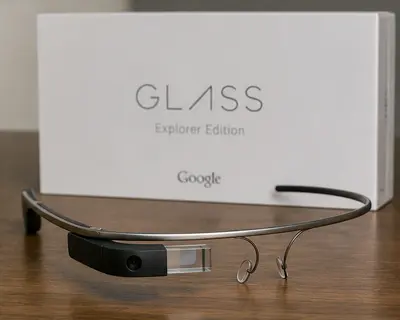
The early smart glasses that put a tiny display before your eye.

The e-commerce platform empowering online merchants.
A pioneer of cloud file storage and syncing.