Spotify
The platform that helped make music streaming mainstream.
At a time when illegal downloading was reshaping the music industry, one company bet that people would happily stream music legally if it was easy enough.

Spotify, founded in 2006, built a music-streaming service that lets users listen to a vast catalog of songs over the internet, supported by free ad-based and paid subscription tiers. It became one of the world's leading streaming platforms and helped shift the music industry toward streaming.
Explore this story
TIMELINE START
In the early 2000s, the music industry was struggling with widespread illegal downloading. Fans wanted convenient access to music; the old model of buying individual albums was under pressure.
Spotify offered a different answer: instant access to a huge library of music, streamed over the internet, with a free ad-supported option and a paid subscription. The idea helped make legal streaming mainstream.
This is the story of a company that changed how the world listens to music.
- 2006Spotify is founded
Spotify is founded in Sweden.
Co-founders included Daniel Ek and Martin Lorentzon.
Began a company that would help popularize streaming.
It emerged amid the industry's struggle with piracy.
- 2008Service launches
Spotify's streaming service launches.
It offered access to a large music library over the internet.
Introduced a legal, convenient streaming option.
It combined free and paid access models.
- Early 2010sInternational expansion
Spotify expands to more countries, including the United States.
It grew its user base across many markets.
Helped make streaming mainstream globally.
The U.S. launch was a major milestone.
- 2010sPlaylists and discovery
Spotify becomes known for playlists and recommendations.
Personalized features helped users discover music.
Changed how listeners find new music.
Playlists became central to the listening experience.
- Mid-late 2010sPodcasts
Spotify expands heavily into podcasts.
It broadened from music into spoken-word audio.
Widened its role in audio entertainment.
Podcasts became a major strategic focus.
- 2018Spotify goes public
Spotify becomes a publicly traded company.
It listed on the stock market under the ticker SPOT.
Marked its transition to a public company.
It used a direct listing approach.
- 2020sA leading audio platform
Spotify operates as a leading global audio-streaming platform.
It offers music and podcasts to users worldwide.
Cemented its role in modern listening.
It remains among the top streaming services.
Born Amid Piracy
Spotify was founded in 2006 in Sweden, with co-founders including Daniel Ek and Martin Lorentzon, at a time when the music industry was struggling with widespread illegal downloading. The founders bet that people would embrace legal streaming if it was convenient enough.
A New Way to Listen
Spotify's service launched in 2008, offering access to a large music library streamed over the internet. It combined a free ad-supported tier with a paid subscription, giving listeners instant, legal access to music.
Going Global
In the early 2010s, Spotify expanded to more countries, including a major launch in the United States. Its user base grew across many markets, helping make streaming mainstream worldwide.
Playlists and Discovery
Spotify became known for playlists and personalized recommendations, changing how listeners discover new music. Playlists became central to the experience and a powerful force in the music world.
Into Podcasts
In the mid-to-late 2010s, Spotify expanded heavily into podcasts, broadening from music into spoken-word audio and widening its role in audio entertainment.
A Public Company
Spotify became a publicly traded company in 2018, listing under the ticker SPOT using a direct listing approach. Into the 2020s, it operates as a leading global audio-streaming platform offering music and podcasts to users worldwide.
- Spotify was founded in 2006.
- It was founded in Sweden.
- Co-founders included Daniel Ek and Martin Lorentzon.
- Its service launched in 2008.
- It emerged amid the industry's piracy struggle.
- It offered a legal streaming alternative.
- It has a free ad-supported tier.
- It has a paid Premium tier.
- Spotify was founded in 2006.
- It was founded in Sweden.
- Its service launched in 2008.
- It emerged amid music piracy.
- It offered a legal alternative.
- It combined free and paid tiers.
- It expanded to the U.S. in the early 2010s.
- It became known for playlists.
Spotify was founded in the United States.
It was founded in Sweden.
Spotify only has a paid service.
It offers both a free ad-supported tier and paid Premium.
Spotify invented recorded music streaming alone.
It helped popularize streaming as part of a broader shift.
Spotify only offers music.
It also expanded heavily into podcasts.
Spotify launched in 2006.
It was founded in 2006 and launched its service in 2008.
Spotify has always been public.
It became publicly traded in 2018.
Spotify went public with a traditional IPO.
It used a direct listing approach.
Playlists are unimportant on Spotify.
Playlists are central to its listening experience.
Spotify did not affect piracy.
It offered a convenient legal alternative to illegal downloading.
Spotify is a minor service.
It is among the world's leading streaming platforms.
Note: To respect strict accuracy, verbatim quotations are omitted here because exact wording cannot be verified in this draft. Spotify's story is closely associated with themes of legal streaming, music discovery, and the shift from ownership to access.
Spotify's legacy is helping make music streaming mainstream. By offering instant, legal access to a huge catalog through free and paid tiers, it helped shift the music industry toward streaming and changed how people around the world discover and listen to music.
Spotify influenced the music and audio industries by demonstrating that streaming could be a viable, popular, and legal model. Its playlists and recommendations reshaped music discovery, and its move into podcasts influenced the broader audio landscape.
- Did you know Spotify was founded in 2006?
- Did you know it was founded in Sweden?
- Did you know its service launched in 2008?
- Did you know it emerged amid music piracy?
- Did you know it offers a free ad-supported tier?
- Did you know Premium is its paid tier?
- Did you know it streams music over the internet?
- Did you know it reached the U.S. in the early 2010s?
Compared with buying albums or downloading songs, Spotify offers instant streaming access to a huge library for a subscription or with ads. Compared with other streaming services, Spotify is distinctive for its early role in popularizing legal streaming and its strong focus on playlists, recommendations, and podcasts.
- Science
- Not a primary focus of its work.
- Technology
- It advanced internet-based audio streaming.
- Business
- It helped shift the music industry to streaming.
- Politics
- Not a primary focus of its work.
- Culture
- It changed how people discover and listen to music.
- Education
- Its model is widely studied in business and media.
- Society
- It made vast music libraries instantly accessible.
- Environment
- Streaming reduced physical media, with its own energy considerations.
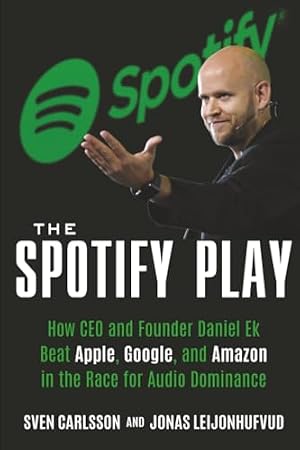
The Spotify Play: How a CEO and a Little Swedish Start-up Changed Music Forever
by Sven Carlsson and Jonas Leijonhufvud
As an Amazon Associate, TimelineSphere earns from qualifying purchases.
- Documentary topics on music streaming.
- Features on the digital transformation of music.
- Programs on the modern audio industry.
Founded in Sweden (2006); service launched (2008); international expansion including the U.S. (early 2010s); known for playlists and discovery (2010s); expanded into podcasts (mid-late 2010s); became publicly traded under ticker SPOT (2018); leading global audio platform (2020s).
- Founding in 2006.
- Service launch (2008).
- Combining free and paid tiers.
- Expanding to the U.S.
- Making streaming mainstream.
- Playlists and recommendations.
- Expanding into podcasts.
- Going public (2018).
- Using a direct listing.
- Becoming a leading audio platform.
Spotify has been part of ongoing debate over how streaming pays artists and about content decisions on its platform. This article notes these areas neutrally and omits disputed or unverified specifics; different viewpoints exist and are the subject of continuing discussion.
Note: To avoid citing unverified specifics, this section notes general recognition. Spotify is widely recognized as a leading and influential company in music and technology.
Spotify is popular worldwide and is among the most widely used music- and audio-streaming services, recognized globally as a leader in streaming.
In 2026, Spotify remains a leading global audio-streaming platform. Its role in music and podcasts continues to shape how people listen, and its influence on the streaming model remains significant.
1. When was Spotify founded?
2. Where was Spotify founded?
3. When did Spotify's service launch?
Did You Know: Spotify was founded in Sweden in 2006. Imagine If: Nearly all recorded music is a tap away - Spotify helped make that normal. Historic Moment: 2018, when Spotify became a public company. On This Day: 2008 - Spotify's streaming service launches.
Short Summary: Spotify is the streaming platform that helped make legal music streaming mainstream.
Medium Summary: Founded in Sweden in 2006 with co-founders including Daniel Ek and Martin Lorentzon, Spotify launched its streaming service in 2008 with free and paid tiers, expanded worldwide, became known for playlists and recommendations, moved into podcasts, and became a publicly traded company in 2018 under the ticker SPOT.
Long Summary: Spotify was founded in 2006 in Sweden, with co-founders including Daniel Ek and Martin Lorentzon, at a time when the music industry was struggling with widespread illegal downloading. Its service launched in 2008, offering instant, legal access to a large music library streamed over the internet, with a free ad-supported tier and a paid Premium subscription. It expanded internationally in the early 2010s, including a major U.S. launch, helping make streaming mainstream. It became known for playlists and personalized recommendations that reshaped music discovery, then expanded heavily into podcasts in the mid-to-late 2010s. Spotify became a publicly traded company in 2018 under the ticker SPOT via a direct listing, and into the 2020s operates as a leading global audio-streaming platform offering music and podcasts worldwide.
People searching for Spotify usually want its founding story, how streaming works, free vs Premium, its podcast expansion, and its role in making streaming mainstream.
- 1.Official Spotify corporate and newsroom pages
- 2.Spotify investor relations filings and reports
- 3.Encyclopaedia Britannica (company entry)
- 4.Reputable major news organizations for recent events
Related timelines

The short-video app that reshaped global entertainment.
The platform that let the world broadcast itself.

The e-commerce platform empowering online merchants.
A pioneer of cloud file storage and syncing.

A leader in modern video conferencing.

The company behind Snapchat and camera-based social media.