The VCR Player
The tape machine that brought movies and recording into the home.
The VCR (videocassette recorder) was a home device that played and recorded video on magnetic tape cassettes, bringing movies and television recording into living rooms.
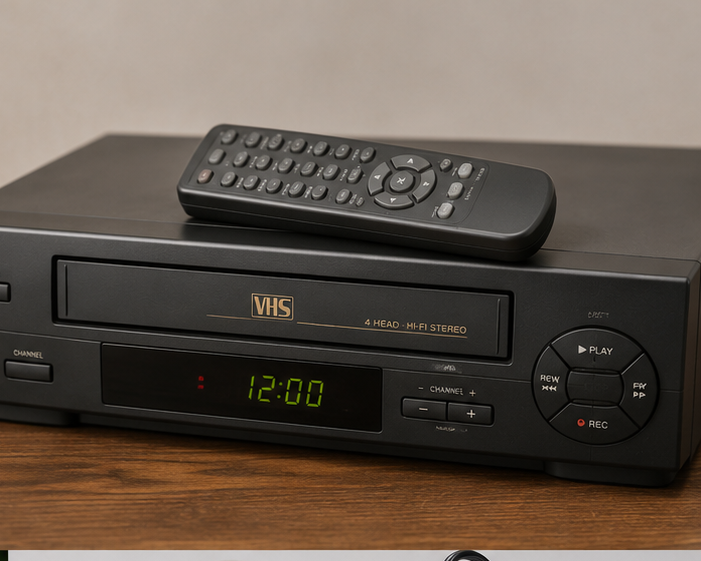
The VCR (videocassette recorder) was a home electronics device that played and recorded video onto magnetic tape cassettes. Popular from the late 1970s onward, it let people watch rented and purchased movies at home and record television programs to watch later. It helped create home video and video-rental culture. As DVDs, digital recording, and streaming emerged, the VCR declined, and manufacturing wound down over time, with 2016 commonly cited for the end of major production.
Explore this story
The VCR is a landmark example of a technology that transformed home entertainment and then faded. It was a home device that played and recorded video on magnetic tape cassettes.
Letting people watch movies at home and record television to watch later, the VCR helped create home video and video-rental culture. As DVDs, digital recording, and streaming emerged, it declined, and manufacturing wound down over time, with 2016 commonly cited for the end of major production.
This is the story of the tape machine that brought movies and recording into the home.
- Late 1970sThe VCR reaches homes
VCRs become available for home use.
VCRs became popular home devices from the late 1970s onward.
Brought video playback and recording home.
People could now watch movies on their own schedule.
- 1980sHome video culture grows
Home video and rentals become popular.
VCRs helped create home video and video-rental culture.
Changed how people watched movies.
Video-rental stores became common.
- 1980s-1990sA home-entertainment staple
VCRs become common in homes.
VCRs were central to home entertainment for years.
Let people record and rewatch television.
Recording TV to watch later became normal.
- 1990s-2000sDVDs and digital arrive
DVDs and digital recording emerge.
DVDs, digital recording, and later streaming offered new options.
Began to replace the VCR.
DVDs offered a different way to store movies.
- Around 2016Manufacturing winds down
VCR production winds down.
Manufacturing wound down over time, with 2016 commonly cited for the end of major production.
Marked the end of the VCR era.
Streaming was becoming a common way to watch.
- TodayA remembered technology
VCRs are widely remembered.
VCRs are remembered as icons of early home video.
Represents the home-video era.
Some collectors keep VCRs and tapes.
The VCR Reaches Homes
From the late 1970s onward, VCRs became popular home devices, bringing video playback and recording home. People could now watch movies on their own schedule.
Home Video Culture Grows
Through the 1980s, VCRs helped create home video and video-rental culture, changing how people watched movies. Video-rental stores became common.
A Home-Entertainment Staple
Through the 1980s and 1990s, VCRs became common in homes and were central to home entertainment for years. Recording TV to watch later became normal.
DVDs and Digital Arrive
Through the 1990s and 2000s, DVDs, digital recording, and later streaming offered new options. Offering a different way to store movies, these began to replace the VCR.
Manufacturing Winds Down
Around 2016, VCR production wound down, with major production ending over time as streaming was becoming a common way to watch. This marked the end of the VCR era.
A Remembered Technology
Today, VCRs are widely remembered as icons of early home video. Representing the home-video era, some collectors keep VCRs and tapes.
- The VCR played and recorded video on tape cassettes.
- VCR stands for videocassette recorder.
- It used magnetic tape.
- It was popular from the late 1970s onward.
- It let people watch movies at home.
- It let people record television to watch later.
- It helped create home video culture.
- It helped create video-rental stores.
- The VCR played and recorded video on tape cassettes.
- It used magnetic tape.
- It was popular from the late 1970s onward.
- It let people watch movies at home.
- It let people record television to watch later.
- It helped create home video culture.
- It helped create video-rental stores.
- It was central to home entertainment for years.
The VCR played discs.
The VCR played and recorded video on magnetic tape cassettes.
VCRs are still widely manufactured.
Major production wound down over time, with 2016 commonly cited.
The VCR had little cultural impact.
It helped create home video and video-rental culture.
It faded for no clear reason.
DVDs, digital recording, and streaming replaced it.
Everything about it is detailed here.
Some specifics are kept general.
It could not record television.
It let people record TV to watch later.
It was not related to VHS.
It is commonly associated with VHS tapes.
No one keeps VCRs today.
Some collectors keep VCRs and tapes.
It left no legacy.
It transformed home entertainment.
Streaming played no role in its decline.
Streaming was becoming common as the VCR declined.
Note: To respect strict accuracy, verbatim quotations are omitted here because exact wording cannot be verified in this draft. The VCR's story is closely associated with themes of home video, movie rentals, and recording television to watch later.
The VCR's legacy is bringing movies and video recording into the home and helping create home video and rental culture. Though replaced by DVDs, digital recording, and streaming, it is remembered as a defining technology of early home entertainment.
The VCR influences how people understand the history of home media. Its rise and decline illustrate the shift from tape-based home video to discs, digital recording, and streaming.
- Did you know VCR stands for videocassette recorder?
- Did you know it played and recorded video on tape cassettes?
- Did you know it used magnetic tape?
- Did you know it was popular from the late 1970s onward?
- Did you know it let people watch movies at home?
- Did you know it let people record television to watch later?
- Did you know it helped create home video culture?
- Did you know it helped create video-rental stores?
Compared with DVD players, the VCR used magnetic tape rather than discs and could easily record television. Compared with streaming, it required physical tapes rather than on-demand digital access. It is a clear example of a home technology replaced by newer formats.
- Science
- Not directly applicable.
- Technology
- It advanced home video recording and playback.
- Business
- It helped create the video-rental industry.
- Politics
- Not directly applicable.
- Culture
- It shaped home movie-watching culture.
- Education
- It is used to teach about media technology history.
- Society
- It changed how people watched movies and television.
- Environment
- Not directly applicable.
- General books on the history of home video.
- Books on media and entertainment technology.
- Works on consumer electronics history.
- Documentary topics on home video history.
- Features on video-rental culture.
- Programs on media technology.
The VCR reaches homes (late 1970s); home video culture grows (1980s); a home-entertainment staple (1980s-1990s); DVDs and digital arrive (1990s-2000s); manufacturing winds down (around 2016); a remembered technology (today).
- The VCR reaching homes in the late 1970s.
- The growth of home video and rental culture.
- The VCR becoming a home-entertainment staple.
- The arrival of DVDs and digital recording.
- The rise of streaming.
- New formats replacing the VCR.
- The winding down of manufacturing around 2016.
- Continued collecting by enthusiasts.
- Its place in media technology history.
- Its status as a symbol of early home video.
The exact dates and details of VCR history and the end of production vary by manufacturer and region. This article presents these points neutrally and avoids stating uncertain specifics as fact.
Not applicable. As a consumer device, the VCR did not receive awards in a formal sense, but it holds a landmark place in media technology history.
The VCR was enormously popular for years and remains widely recognized and remembered as a defining technology of early home video and movie rentals.
In 2026, the VCR remains a reminder of how home video transformed entertainment and how formats evolved from tape to discs, digital recording, and streaming.
1. VCR stands for?
2. The VCR recorded video on?
3. It became popular from the?
Did You Know: The VCR let people record television programs and watch them later, which was a big change at the time. Imagine If: You bring home a movie on a tape, slide it into a machine, and watch it whenever you like - that was the VCR era. Historic Moment: The winding down of major VCR production around 2016. On This Day: Around 2016 - major VCR manufacturing winds down.
Short Summary: The VCR was the videocassette recorder that brought home video and movie rentals to living rooms; major production wound down around 2016.
Medium Summary: The VCR (videocassette recorder) was a home electronics device that played and recorded video onto magnetic tape cassettes. Popular from the late 1970s onward, it let people watch movies at home and record television to watch later, helping create home video and video-rental culture. As DVDs, digital recording, and streaming emerged, it declined, and manufacturing wound down over time, with 2016 commonly cited for the end of major production.
Long Summary: From the late 1970s onward, VCRs became popular home devices, bringing video playback and recording home and letting people watch movies on their own schedule. Through the 1980s they helped create home video and video-rental culture, and through the 1980s and 1990s they were central to home entertainment, making recording TV to watch later normal. Through the 1990s and 2000s, DVDs, digital recording, and later streaming offered new options and began to replace the VCR, and around 2016 major production wound down as streaming was becoming common. Today VCRs are widely remembered as icons of early home video, with some collectors keeping VCRs and tapes. Some specifics are kept general.
People searching for the VCR usually want to know what it was, what it recorded, what replaced it, and when production ended.
- 1.Reputable technology and media history references
- 2.Museums of technology and broadcasting
- 3.Encyclopaedia Britannica or comparable references
- 4.Peer-reviewed media technology sources
Related timelines
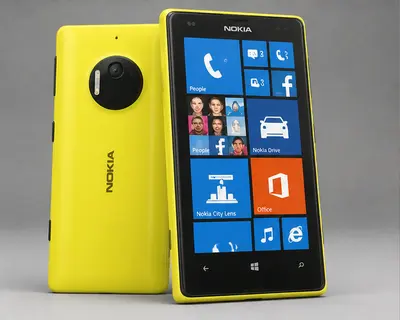
The Windows Phone smartphones that faded away.
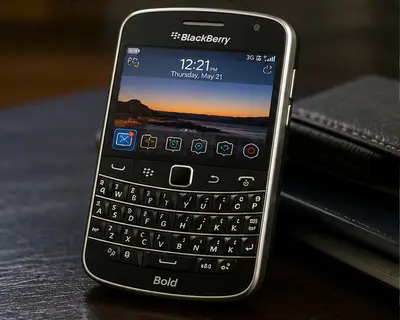
The executive keyboard phone of an era.

The portable data disk that became the "Save" icon.
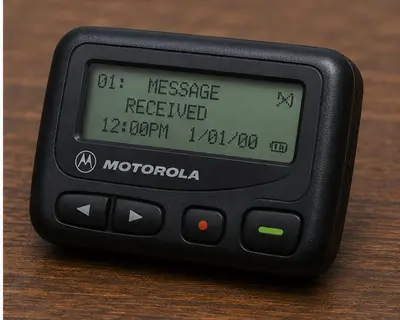
The pocket device that delivered quick messages before mobile phones.
The picture-tube television that defined home viewing for generations.
The pocket organizer that pioneered the handheld digital assistant.