The CRT Television
The picture-tube television that defined home viewing for generations.
The CRT television used a cathode-ray tube to display images and was the dominant type of television in homes for much of the 20th century.
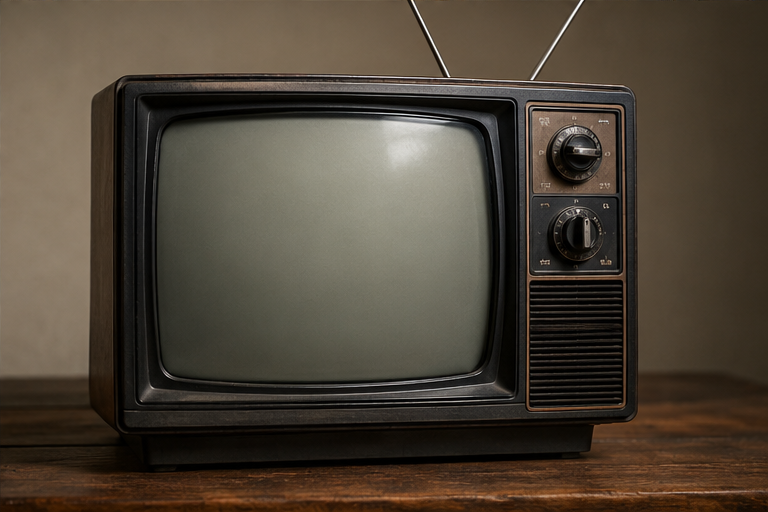
The CRT (cathode-ray tube) television was the standard home television for much of the 20th century. Using a picture tube to display images, it brought broadcast entertainment and news into living rooms around the world. Recognizable for its heavy, deep cabinet, it was gradually replaced by flat-panel LCD and other displays, and manufacturing of CRT televisions wound down over time.
Explore this story
The CRT television is a landmark example of a technology that shaped daily life and then gave way to newer displays. It used a cathode-ray tube to display images and was the dominant home television for much of the 20th century.
Bringing broadcast entertainment and news into living rooms worldwide, the CRT television was recognizable for its heavy, deep cabinet. It was gradually replaced by flat-panel LCD and other displays, and manufacturing wound down over time.
This is the story of the picture-tube television that defined home viewing for generations.
- Early-to-mid 20th centuryCRT televisions take hold
CRT televisions become the standard.
CRT televisions became the standard type of home television.
Brought broadcast media into homes.
The picture tube gave the sets their deep shape.
- Mid-20th centuryTelevision enters living rooms
CRT televisions spread widely.
CRT televisions spread into homes around the world.
Made television a central part of daily life.
Families gathered around the television set.
- Late 20th centuryThe dominant home screen
CRTs dominate home viewing.
CRT televisions were the dominant home screen for decades.
Central to home entertainment and news.
They were known for their heavy, deep cabinets.
- 1990s-2000sFlat panels arrive
LCD and other flat displays emerge.
Flat-panel LCD and other displays offered thinner, lighter screens.
Began to replace CRT televisions.
Flat panels freed up living-room space.
- Around 2015Manufacturing winds down
CRT television production winds down.
Manufacturing of CRT televisions wound down over time, with 2015 commonly cited for the end of major production.
Marked the end of the CRT era.
Flat panels had become the new standard.
- TodayA remembered technology
CRT televisions are widely remembered.
CRT televisions are remembered as icons of 20th-century home viewing.
Represents the broadcast television era.
Some enthusiasts still use CRTs for retro purposes.
CRT Televisions Take Hold
In the early-to-mid 20th century, CRT televisions became the standard type of home television, bringing broadcast media into homes. The picture tube gave the sets their deep shape.
Television Enters Living Rooms
In the mid-20th century, CRT televisions spread into homes around the world, making television a central part of daily life. Families gathered around the television set.
The Dominant Home Screen
In the late 20th century, CRT televisions were the dominant home screen for decades, central to home entertainment and news. They were known for their heavy, deep cabinets.
Flat Panels Arrive
Through the 1990s and 2000s, flat-panel LCD and other displays emerged, offering thinner, lighter screens. Freeing up living-room space, they began to replace CRT televisions.
Manufacturing Winds Down
Around 2015, CRT television production wound down, with major production ending over time as flat panels became the new standard. This marked the end of the CRT era.
A Remembered Technology
Today, CRT televisions are widely remembered as icons of 20th-century home viewing. Representing the broadcast television era, some enthusiasts still use CRTs for retro purposes.
- The CRT television used a cathode-ray tube to display images.
- CRT stands for cathode-ray tube.
- It was the dominant home television for much of the 20th century.
- It brought broadcast entertainment and news into homes.
- It was recognizable for its heavy, deep cabinet.
- It was used around the world.
- It was central to home entertainment for decades.
- The picture tube gave the sets their deep shape.
- The CRT television used a cathode-ray tube.
- It was the dominant home television for much of the 20th century.
- It brought broadcast entertainment and news into homes.
- It was recognizable for its heavy, deep cabinet.
- The picture tube gave the sets their deep shape.
- It was central to home entertainment for decades.
- Families gathered around the television set.
- Flat-panel LCD and other displays later emerged.
CRT televisions were thin and light.
They were heavy with a deep cabinet due to the picture tube.
CRT televisions are still widely manufactured.
Major production wound down over time, with 2015 commonly cited.
They had little impact.
They made television central to daily life for generations.
They faded for no clear reason.
Flat panels were thinner, lighter, and became the new standard.
Everything about them is detailed here.
Some specifics are kept general.
No one uses CRTs anymore.
Some enthusiasts still use them for retro purposes.
They were not used worldwide.
They were used around the world.
They did not display broadcast media.
They brought broadcast entertainment and news into homes.
They left no legacy.
They defined home viewing for generations.
Flat panels did not replace them.
Flat-panel displays replaced CRT televisions.
Note: To respect strict accuracy, verbatim quotations are omitted here because exact wording cannot be verified in this draft. The CRT television's story is closely associated with themes of broadcast media, home entertainment, and the shift to flat-panel displays.
The CRT television's legacy is being the screen that brought broadcast media into homes for generations. Though replaced by flat-panel displays, it is remembered as a defining technology of 20th-century home entertainment.
The CRT television influences how people understand the history of home media and displays. Its dominance and decline illustrate the shift from bulky picture tubes to thin, light flat-panel screens.
- Did you know CRT stands for cathode-ray tube?
- Did you know CRT televisions used a picture tube to display images?
- Did you know they were the dominant home television for much of the 20th century?
- Did you know they brought broadcast entertainment and news into homes?
- Did you know they were recognizable for their heavy, deep cabinets?
- Did you know the picture tube gave the sets their deep shape?
- Did you know families gathered around the television set?
- Did you know they made television central to daily life?
Compared with flat-panel LCD televisions, CRT televisions were much heavier and deeper because of the picture tube. Compared with other discontinued technologies, the CRT is a clear example of a dominant standard replaced by a thinner, lighter alternative.
- Science
- It applied cathode-ray tube technology to home displays.
- Technology
- It was central to display technology for decades.
- Business
- It supported a large consumer-electronics industry.
- Politics
- Not directly applicable.
- Culture
- It made television a central cultural experience.
- Education
- It is used to teach about technology history.
- Society
- It brought broadcast media into everyday life.
- Environment
- Not directly applicable here.
- General books on the history of television.
- Books on display technology.
- Works on consumer electronics history.
- Documentary topics on the history of television.
- Features on display technology.
- Programs on home entertainment.
CRT televisions take hold (early-to-mid 20th century); television enters living rooms (mid-20th century); the dominant home screen (late 20th century); flat panels arrive (1990s-2000s); manufacturing winds down (around 2015); a remembered technology (today).
- CRT televisions becoming the standard home television.
- Television spreading into homes worldwide.
- CRTs dominating home viewing for decades.
- The arrival of flat-panel displays.
- Flat panels replacing CRT televisions.
- The winding down of manufacturing around 2015.
- Flat panels becoming the new standard.
- Continued retro use by enthusiasts.
- Its place in technology history.
- Its status as a symbol of the broadcast television era.
The exact dates and details of CRT television development and the end of production vary by manufacturer and region. This article presents these points neutrally and avoids stating uncertain specifics as fact.
Not applicable. As a display technology, the CRT television did not receive awards, but it holds a landmark place in technology and media history.
The CRT television was ubiquitous for much of the 20th century and remains widely recognized and remembered as the defining home screen before flat panels.
In 2026, the CRT television remains a reminder of how broadcast media shaped daily life and how display technology advanced from bulky tubes to thin, light screens.
1. CRT stands for?
2. CRT televisions displayed images using a?
3. They were dominant for much of the?
Did You Know: The deep, heavy shape of old televisions came from the cathode-ray picture tube inside. Imagine If: The family television is a heavy box you gather around each evening - that was the CRT era. Historic Moment: The winding down of major CRT television production around 2015. On This Day: Around 2015 - major CRT television manufacturing winds down.
Short Summary: The CRT television was the picture-tube set that defined 20th-century home viewing before flat-panel displays; major production wound down around 2015.
Medium Summary: The CRT (cathode-ray tube) television was the standard home television for much of the 20th century. Using a picture tube to display images, it brought broadcast entertainment and news into living rooms around the world and was recognizable for its heavy, deep cabinet. It was gradually replaced by flat-panel LCD and other displays, and manufacturing wound down over time, with 2015 commonly cited for the end of major production.
Long Summary: In the early-to-mid 20th century, CRT televisions became the standard home television, bringing broadcast media into homes, and in the mid-20th century they spread into living rooms around the world, making television central to daily life. In the late 20th century they were the dominant home screen for decades, central to home entertainment and news, and known for their heavy, deep cabinets. Through the 1990s and 2000s, flat-panel LCD and other displays offered thinner, lighter screens and began to replace CRT televisions, and around 2015 major production wound down as flat panels became the new standard. Today CRT televisions are widely remembered as icons of 20th-century home viewing, with some enthusiasts still using them for retro purposes. Some specifics are kept general.
People searching for the CRT television usually want to know what it was, why it was so heavy, what replaced it, and when production ended.
- 1.Reputable technology and media history references
- 2.Museums of technology and broadcasting
- 3.Encyclopaedia Britannica or comparable references
- 4.Peer-reviewed display technology sources
Related timelines
The Windows Phone smartphones that faded away.

The executive keyboard phone of an era.

The portable data disk that became the "Save" icon.

The pocket device that delivered quick messages before mobile phones.
The tape machine that brought movies and recording into the home.

The pocket organizer that pioneered the handheld digital assistant.