The Golden Toad
The bright orange toad of Costa Rica's cloud forests.
The golden toad was a bright orange toad of Costa Rica's cloud forests, lost rapidly in the late 20th century.
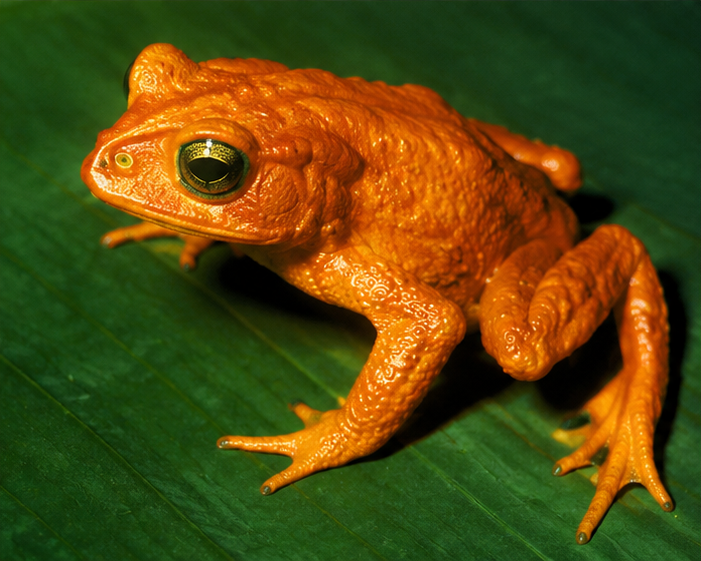
The golden toad was a small, brightly colored toad native to the cloud forests of Costa Rica. Known for the vivid orange color of the males, it disappeared rapidly in the late 1980s, with its loss linked to environmental changes and amphibian disease, and it became a symbol of amphibian decline.
Explore this story
The golden toad is a striking example of rapid amphibian decline. It was a small, brightly colored toad native to the cloud forests of Costa Rica.
Known for the vivid orange color of the males, the golden toad disappeared rapidly in the late 1980s, with its loss linked to environmental changes and amphibian disease. It has become a widely cited symbol of the global decline of amphibians.
This is the story of the bright orange toad of Costa Rica's cloud forests.
- Mid-20th centuryA cloud forest toad
The golden toad lived in Costa Rica's cloud forests.
It was a small, brightly colored toad.
A distinctive amphibian.
Males were a vivid orange color.
- 1960sScientific description
The golden toad becomes known to science.
It was described as a distinct species in the 1960s.
Brought the species to attention.
Its bright color made it notable.
- 1970s-1980sA cloud forest resident
The golden toad lived in a specific cloud forest area.
It was associated with a limited high-altitude range.
A narrowly distributed species.
Its limited range increased its vulnerability.
- Late 1980sRapid disappearance
The golden toad disappears rapidly.
Its numbers fell sharply in a short time.
A sudden, dramatic decline.
The decline was remarkably rapid.
- Around 1989Last sightings
The golden toad is last seen around 1989.
The last confirmed sightings are dated to around 1989.
Marked the effective end of the species.
1989 is commonly cited for its last sighting.
- After disappearanceA symbol of amphibian decline
The golden toad becomes a symbol of amphibian decline.
It became a widely cited conservation example.
Represents rapid amphibian loss.
It is linked to global amphibian decline.
A Cloud Forest Toad
In the mid-20th century, the golden toad lived in Costa Rica's cloud forests as a small, brightly colored toad. A distinctive amphibian, its males were a vivid orange color.
Scientific Description
In the 1960s, the golden toad became known to science, described as a distinct species. Its bright color made it notable and brought the species to attention.
A Cloud Forest Resident
Through the 1970s and 1980s, the golden toad lived in a specific cloud forest area, associated with a limited high-altitude range. As a narrowly distributed species, its limited range increased its vulnerability.
Rapid Disappearance
In the late 1980s, the golden toad disappeared rapidly, with its numbers falling sharply in a short time. The decline was remarkably rapid and dramatic.
Last Sightings
Around 1989, the golden toad was last seen, with the last confirmed sightings dated to around that year. 1989 is commonly cited for its last sighting, marking the effective end of the species.
A Symbol of Amphibian Decline
After its disappearance, the golden toad became a symbol of amphibian decline and a widely cited conservation example. It represents rapid amphibian loss and is linked to global amphibian decline.
- The golden toad was an amphibian.
- It was native to Costa Rica.
- It lived in cloud forests.
- Males were a vivid orange color.
- It was described as a distinct species in the 1960s.
- Its bright color made it notable.
- It had a limited high-altitude range.
- Its limited range increased its vulnerability.
- The golden toad was an amphibian.
- It was native to Costa Rica.
- It lived in cloud forests.
- Males were a vivid orange color.
- It was described as a distinct species in the 1960s.
- It had a limited high-altitude range.
- Its limited range increased its vulnerability.
- It disappeared rapidly in the late 1980s.
The golden toad lived in deserts.
It lived in Costa Rica's cloud forests.
It still survives in large numbers.
It is considered extinct, last seen around 1989.
It had a wide global range.
It had a limited high-altitude range in Costa Rica.
Its decline was slow over centuries.
It disappeared rapidly in the late 1980s.
Everything about its decline is fully understood.
Its loss is linked to environmental changes and disease, but some details remain uncertain.
It was not brightly colored.
Males were a vivid orange color.
It was a reptile.
It was an amphibian (a toad).
Its loss is undocumented.
Its loss is documented.
It is unrelated to conservation.
It became a symbol of amphibian decline.
It has no link to global amphibian decline.
It is widely linked to global amphibian decline.
Note: To respect strict accuracy, verbatim quotations are omitted here because exact wording cannot be verified in this draft. The golden toad's story is closely associated with themes of amphibian decline, cloud forests, and conservation.
The golden toad's legacy is being a powerful symbol of rapid amphibian decline. As a vivid cloud forest toad lost suddenly in the late 1980s, it is widely cited in discussions of the global decline of amphibians.
The golden toad influences how people understand extinction and amphibian conservation. Its sudden loss is widely cited as an early, striking example of the global amphibian decline.
- Did you know the golden toad was an amphibian?
- Did you know it was native to Costa Rica?
- Did you know it lived in cloud forests?
- Did you know males were a vivid orange color?
- Did you know it was described as a distinct species in the 1960s?
- Did you know its bright color made it notable?
- Did you know it had a limited high-altitude range?
- Did you know its limited range increased its vulnerability?
Compared with widespread amphibians, the golden toad had a very limited range, increasing its vulnerability. Compared with other extinctions, it is especially cited as an early, striking example of rapid amphibian decline.
- Science
- It is studied in conservation science and natural history.
- Technology
- Not directly applicable.
- Business
- Not directly applicable.
- Politics
- It informs environmental and conservation discussions.
- Culture
- It became a symbol of amphibian loss.
- Education
- It is widely used to teach about extinction.
- Society
- It shaped awareness of amphibian decline.
- Environment
- It is a key example in conservation and biodiversity.
- General books on extinction and conservation.
- Books on amphibians and cloud forests.
- Works on global amphibian decline.
- Documentary topics on extinction.
- Features on amphibians and cloud forests.
- Programs on conservation.
A cloud forest toad (mid-20th century); scientific description (1960s); a cloud forest resident (1970s-1980s); rapid disappearance (late 1980s); last sightings (around 1989); a symbol of amphibian decline (after disappearance).
- Life as a vivid cloud forest toad.
- Its scientific description in the 1960s.
- Its limited high-altitude range.
- Rapid disappearance in the late 1980s.
- Sharp decline in a short time.
- Last sightings around 1989.
- Links to environmental change and disease.
- Recognition of its loss.
- Becoming a symbol of amphibian decline.
- Its lasting role in conservation awareness.
The precise causes of the golden toad's disappearance - including the roles of climate shifts and amphibian disease - are studied and discussed among researchers. This article presents these points neutrally and avoids stating uncertain specifics as fact.
Not applicable. As an extinct species, the golden toad did not receive awards, but it holds a prominent place in the history of extinction and conservation.
The golden toad is one of the most cited examples of amphibian decline in the world, widely referenced in education and conservation discussions.
In 2026, the golden toad remains a powerful symbol of rapid amphibian decline. Its story continues to shape conservation awareness of amphibians and cloud forest ecosystems.
1. The golden toad was an?
2. It was native to?
3. It lived in?
Did You Know: The golden toad's males were a vivid orange color. Imagine If: A brilliantly colored toad vanishes from a cloud forest within a few years - that's the golden toad. Historic Moment: The rapid disappearance of the golden toad in the late 1980s. On This Day: Around 1989 - the golden toad is last seen.
Short Summary: The golden toad was a bright orange cloud forest toad of Costa Rica that disappeared rapidly in the late 1980s, last seen around 1989.
Medium Summary: The golden toad was a small, brightly colored toad native to the cloud forests of Costa Rica, known for the vivid orange color of the males. It disappeared rapidly in the late 1980s, with its loss linked to environmental changes and amphibian disease, and it became a widely cited symbol of amphibian decline.
Long Summary: In the mid-20th century, the golden toad lived in Costa Rica's cloud forests as a small, brightly colored toad whose males were a vivid orange. Described as a distinct species in the 1960s, it lived through the 1970s and 1980s in a limited high-altitude range, and its narrow distribution increased its vulnerability. In the late 1980s it disappeared rapidly, with numbers falling sharply in a short time, and it was last seen around 1989. Its loss is linked to environmental changes and amphibian disease. After its disappearance, the golden toad became a widely cited symbol of amphibian decline and is linked to the global decline of amphibians. The precise causes of its disappearance remain studied and discussed.
People searching for the golden toad usually want to know what it was, where it lived, why it disappeared so quickly, and the significance of around 1989.
- 1.Peer-reviewed amphibian and conservation research
- 2.Encyclopaedia Britannica (golden toad entry)
- 3.Reputable conservation organizations
- 4.Major scientific institutions
Related timelines

The mountain goat famously cloned after extinction.

The freshwater dolphin of the Yangtze River.
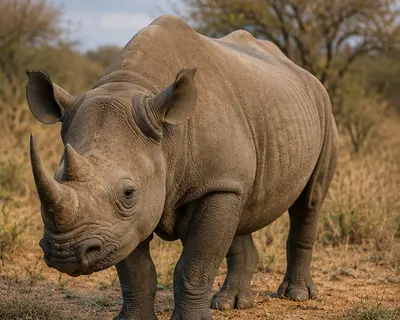
A lost subspecies of the black rhino.
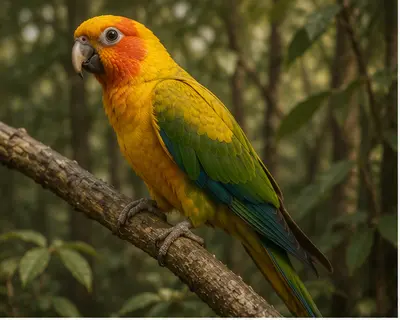
The only native parrot of the eastern United States.
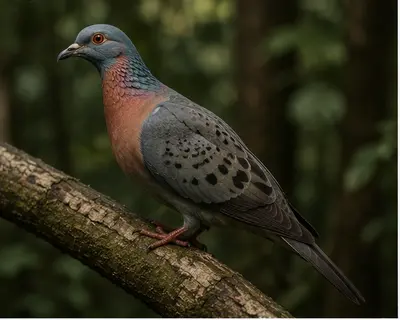
Once the most abundant bird in North America.

The flightless seabird of the North Atlantic.